Address
We are a Gastronomic Consulting and Mentoring Agency based in the City of Miami, FL. - US
Work hours
Monday to Friday: 7 AM - 7 PM
Saturday: 10AM - 5PM
Address
We are a Gastronomic Consulting and Mentoring Agency based in the City of Miami, FL. - US
Work hours
Monday to Friday: 7 AM - 7 PM
Saturday: 10AM - 5PM
Discover how to implement effective waste management in sustainable restaurants. Learn best practices to reduce waste and optimize resources in Miami
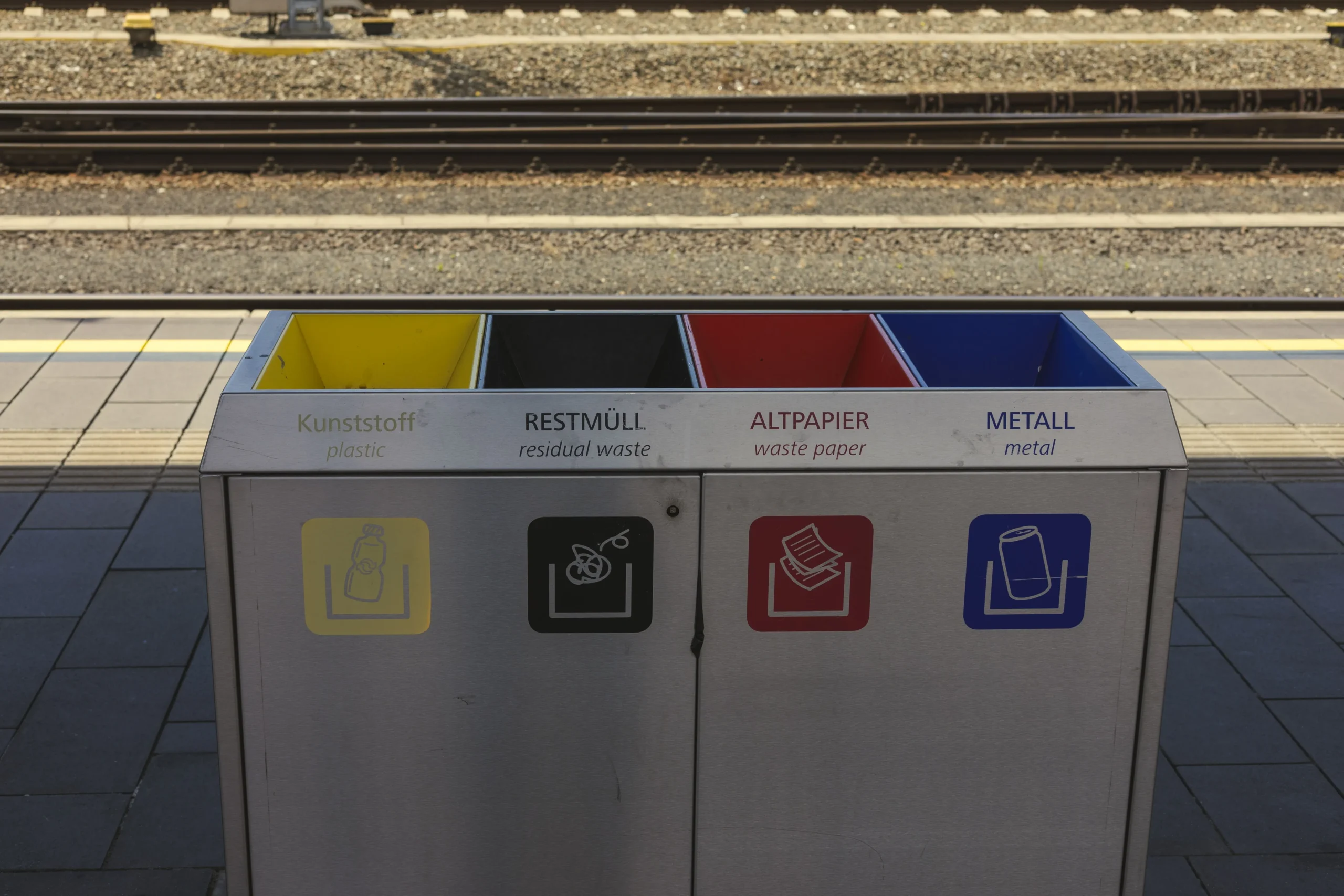
Restaurants in Miami can save up to 30% on costs with sustainable waste management services. These savings reflect the economic and environmental impact of efficient waste management.
In Miami, waste management is a priority for sustainable restaurants. Eco-friendly restaurants preserve the environment and improve their image and operational efficiency.
InGastro Concepts, a leading food consulting firm, helps Miami restaurants implement sustainable practices. They offer services from container selection to implementing recycling programs.
The firm guides restaurants towards greener and more efficient operations. Its comprehensive approach covers all aspects of waste management.
Waste management is crucial for eco-friendly restaurants in Miami. This coastal city faces unique challenges due to high tourist traffic. Innovative solutions are needed to address these challenges.
Sustainability in restaurants is an urgent need. Demand for food is expected to increase by 50% by 2030. This highlights the importance of adopting sustainable practices.
Current food systems generate 30% of greenhouse gas emissions. This figure highlights the environmental impact of restaurants on our environment.
Miami faces specific challenges in waste management. Its coastal location and high tourist influx complicate the situation. Restaurants must comply with strict environmental regulations.
Managing fluctuating volumes of waste is another major challenge. Eco-friendly practices in catering are crucial to mitigating these problems.
Efficient waste management offers numerous advantages. It reduces environmental impact and can generate significant savings. Composting organic waste is superior to traditional recycling.
Anaerobic digestion of waste can generate renewable energy. This contributes to the overall sustainability of the restaurant.
| Our Mill | Social Impact |
|---|---|
| Emission reduction | Up to 30% less greenhouse gases |
| cost savings | Decrease in waste disposal costs |
| Image enhancement | Greater attraction of environmentally conscious customers |
These practices benefit the environment and improve operational efficiency. They also enhance the restaurant's reputation in a sustainability-conscious market.
Recycling is key to managing waste in the food industry. Miami restaurants have several options for containers and collection services. These options are tailored to your specific needs.
Dumpsters range from 1 to 8 cubic yards. The ideal size depends on how much waste is produced and the space available. A 2-yard dumpster is suitable for a small restaurant.
For a large establishment, a 6-yard bin would be better. Collection frequency is another important factor in restaurant waste management . It can be adjusted according to the needs of the business.
| Container Size | Capacity (large bags) | Recommended for |
|---|---|---|
| 1 yard | 10 | Small businesses (up to 25 employees) |
| 2 yards | 20 | Medium restaurants (25-50 employees) |
| 4 yards | 40 | Large restaurants (up to 100 employees) |
| 6 yards | 60 | Large restaurants (up to 250 employees) |
| 8 yards | 80 | Supermarkets and large chains (up to 500 employees) |
It is vital to choose a supplier with experience in the food industry. Many companies offer tailored solutions and competitive prices. They prioritise sustainability and recycling in their operations.
Recycling cooking oil is vital for sustainable restaurants. This process helps the environment and generates economic benefits. It also contributes to the efficient management of organic waste.
Collecting used oil requires an organized method. Restaurants should use special containers free of charge from recycling companies. These are adjusted to the volume of oil produced.
Containers allow for safe storage of used oil. Collection can be daily, weekly or monthly, depending on the restaurant.
Recycling oil brings many advantages for the environment:
Recycled oil is turned into animal feed. This promotes the efficient use of resources. It also aids in the composting of organic waste.
In Miami, there are rules for disposing of oils and greases in restaurants. Complying with these rules avoids fines and protects the environment. It is important to keep a detailed record of recycled oil.
Specialized companies offer complete oil recycling services. They serve more than 1300 businesses and recycle 500 tons of oil. Their services are available year-round, 24 hours a day.
Grease traps are vital to restaurant environmental practices. They prevent grease, oils, and solids from clogging sewer systems. They are essential for sustainability and regulatory compliance.
Proper grease trap maintenance is critical. Restaurants can prevent up to 95% of clogs in their plumbing systems. A regular schedule reduces the risk of fires by 40%.
Cleaning frequency is crucial. It is recommended that traps be cleaned every three months for optimal performance. High-volume kitchens may require more frequent cleaning.
“Proper maintenance not only prevents problems, but also improves operational efficiency by 25%.”
The proper size of the trap is important. It is determined by the wastewater flow and retention time. Large kitchens need larger traps to handle more grease.
| Appearance | Our Mill | Percentage |
|---|---|---|
| Clogging Prevention | Reducing plumbing problems | 95 % |
| regular maintenance | Fire risk reduction | 40 % |
| Proper management | Improvement in operational efficiency | 25 % |
Sustainable fat management benefits both the environment and the economy. It can reduce waste management operating costs by up to 20%. Environmentally friendly practices in restaurants are both ecologically and economically beneficial.
Sustainable restaurants in Miami need to manage their organic waste well. This practice reduces environmental impact and generates significant economic benefits.
Composting food waste turns garbage into valuable fertilizer. A restaurant can reduce its waste by up to 50% with this method.
Collaboration with specialized companies allows up to 30% of organic waste to be transformed into useful compost.
Reducing food waste is key to sustainability. With efficient practices, restaurants can reduce losses by up to 50%.
This saves money on ingredients and reduces waste disposal costs by up to 40%.
Donating food reduces waste and supports the local community. Partnering with food banks can reduce waste by 25%.
Organizations that donate can get tax deductions through the Good Samaritan Food Donation Act.
These practices improve efficiency and attract environmentally conscious customers. 60% of consumers prefer restaurants that are committed to sustainability.
Sustainable restaurants in Miami need to manage their waste well. Reusing materials reduces costs and protects the environment. Digital ordering and reusable utensils are effective options.
Energy efficiency is key to reducing waste. Using energy-efficient appliances saves energy. It also reduces the generation of electronic waste in the long term.

A restaurant in California saved $12,000 a year with innovative practices. They controlled portions and composted food waste. These measures benefit the environment and improve the bottom line.
Circular gastronomy is a growing trend that maximizes the use of resources and minimizes waste, aligning with the sustainability goals of modern restaurants.
Restaurants can optimize their waste management in several ways:
These strategies reduce operating costs and improve the restaurant's image. Customers increasingly value environmentally friendly practices.
The circular economy in the restaurant industry demands strict regulatory compliance. In Miami, restaurants must adhere to specific environmental regulations. These standards promote sustainability in the food service sector.
Restaurants in Miami must comply with strict waste management regulations. The use of disposable plastics is prohibited. In addition, waste management plans must be drawn up.
Establishments that produce more than 10 kg of non-hazardous waste per day have additional requirements. They must register as waste producers to comply with local regulations.
ISO 14001 and AENOR certifications promote green practices in the industry. They assess criteria such as local purchasing, nutritional control and recycling. ISO 14001 requires regular legal compliance assessments.
Restaurants must keep detailed records to comply with regulations. This includes documents on waste management and equipment maintenance. Environmental audits are also required to ensure compliance.
Non-compliance can have serious consequences. These range from fines to suspension of licenses. In some cases, environmental restoration costs may arise.
| Requirement | Description | Consequence for non-compliance |
|---|---|---|
| waste management plan | Mandatory for production >10 kg/day of non-hazardous waste | economic fines |
| Registry of Waste Producers | Registration required for restaurants | Administrative sanctions |
| Hiring an authorized manager | For waste collection and treatment | Liability for environmental damage |
Sustainable waste management in restaurants benefits both the environment and the economy. Eco-friendly establishments save money and improve their image. These practices attract more environmentally conscious customers.
Reducing the carbon footprint is linked to the circular economy in the hospitality industry . Using local products lowers transportation costs and emissions. Efficient waste management can reduce landfill waste by up to 30%.
Restaurants with energy-efficient technologies save up to 20% on their bills. LED lighting can reduce electricity consumption by 75%.
Sustainability is good for the planet and your wallet. Sustainable restaurants improve their reputation and attract more customers interested in responsible practices.
Let's look at some data on the economic impact of sustainable practices:
| Sustainable Practice | Potential Savings |
|---|---|
| Using efficient kitchen equipment | Up to 30% in energy consumption |
| Installing low flow faucets | 50% in water consumption |
| Food donation programs | 20% of food waste diverted |
| Sustainability certifications | 35% improvement in customer perception |
These practices reduce operating costs and position the restaurant as a benchmark in sustainability. They attract a public that is aware of the environmental impact of its consumption choices.
Environmental education is vital for waste management in restaurants. A well-trained team makes all the difference in sustainable initiatives. Training improves skills and increases customer satisfaction.
Programs should be comprehensive, covering waste management and energy efficiency. It is important to include all staff, not just cooks.
A well-structured handbook is essential for the onboarding process. It should include the restaurant’s mission, vision, and design.

Best practices include waste separation, efficient use of resources and hygiene. A training manager streamlines the process and reduces the burden on the team.
Efficient management of organic waste is a practice that all staff must master.
Ongoing monitoring keeps staff committed to sustainability. Performance measurement should extend over the long term.
This ensures sustained application of what has been learned in training.
| Appearance | Social Impact |
|---|---|
| Sustainability training | 25-50% increase in resource savings |
| Consumer preference | 60% choose sustainable restaurants |
| Customer loyalty | 15% increase in sustainable restaurants |
InGastro Concepts offers valuable mentoring in sustainable waste management. It helps restaurants achieve their sustainability and operational efficiency goals.
Restaurant waste management is undergoing a technological revolution. Recent advances are improving efficiency and transforming waste management. These innovations promise a more sustainable future for the sector.
Smart compactors are a prime example. These devices increase storage capacity by up to five times, thereby reducing collection frequency and CO2 emissions.
Digital tracking systems make all the difference. They enable restaurants to reduce waste production by 20%. They identify areas for improvement and set clear goals.
Specialized apps are another valuable tool. They can reduce food waste by up to 50%. This represents a major step forward in the fight against waste.
Artificial intelligence and the Internet of Things are crucial. Sensors in containers optimize collection routes. Smart lighting and air conditioning systems save up to 25% of energy.
These technologies improve operational efficiency and sustainability. By using them, Miami restaurants are moving towards a greener future. Each innovation is a step towards efficiency and environmental care.
Miami restaurants are adopting eco-friendly practices in their supply chain. This benefits the environment and improves their profitability. Collaboration with sustainable suppliers is key to the circular economy in restaurants.
When choosing suppliers, it is vital to consider their packaging practices and return policies. Restaurants should look for partners who share their commitment to the circular economy.
This may include the use of recyclable packaging or reverse logistics systems. Careful selection of suppliers is essential to achieving a sustainable supply chain.
Partnerships with local suppliers can reduce carbon footprint by 30%. Offering incentives motivates suppliers to adopt more sustainable practices.
These collaborations foster innovation in waste reduction and improve resource efficiency in the food service industry.
Continuous evaluation of supplier performance is essential. Implementing benchmarks helps measure progress in reducing waste and energy consumption.
Restaurants should conduct regular reassessments of their suppliers. This ensures that they maintain high sustainability standards in the circular economy.
Waste management is vital to Miami’s future in the restaurant industry. The hospitality industry produces a lot of waste, but we can change this with effective strategies. Already, 46% of SMEs see the benefits of the circular economy.
Sustainable practices help the environment and increase profits. Restaurants save $7 for every $1 invested in reducing waste. Half of customers value these efforts when choosing where to eat.
Managing waste efficiently is an investment in our future. We encourage Miami restaurants to join us. For more information, contact InGastro Concepts at ingastroconcepts.com or call +1 786 793.
Together, we will create a greener, more successful food industry.
Subscribe and receive the latest posts in your email.