Address
We are a Gastronomic Consulting and Mentoring Agency based in the City of Miami, FL. - US
Work hours
Monday to Friday: 7 AM - 7 PM
Saturday: 10AM - 5PM
Address
We are a Gastronomic Consulting and Mentoring Agency based in the City of Miami, FL. - US
Work hours
Monday to Friday: 7 AM - 7 PM
Saturday: 10AM - 5PM
Discover best practices for Food Allergy Management in US Restaurants and ensure the safety of your customers with effective protocols.
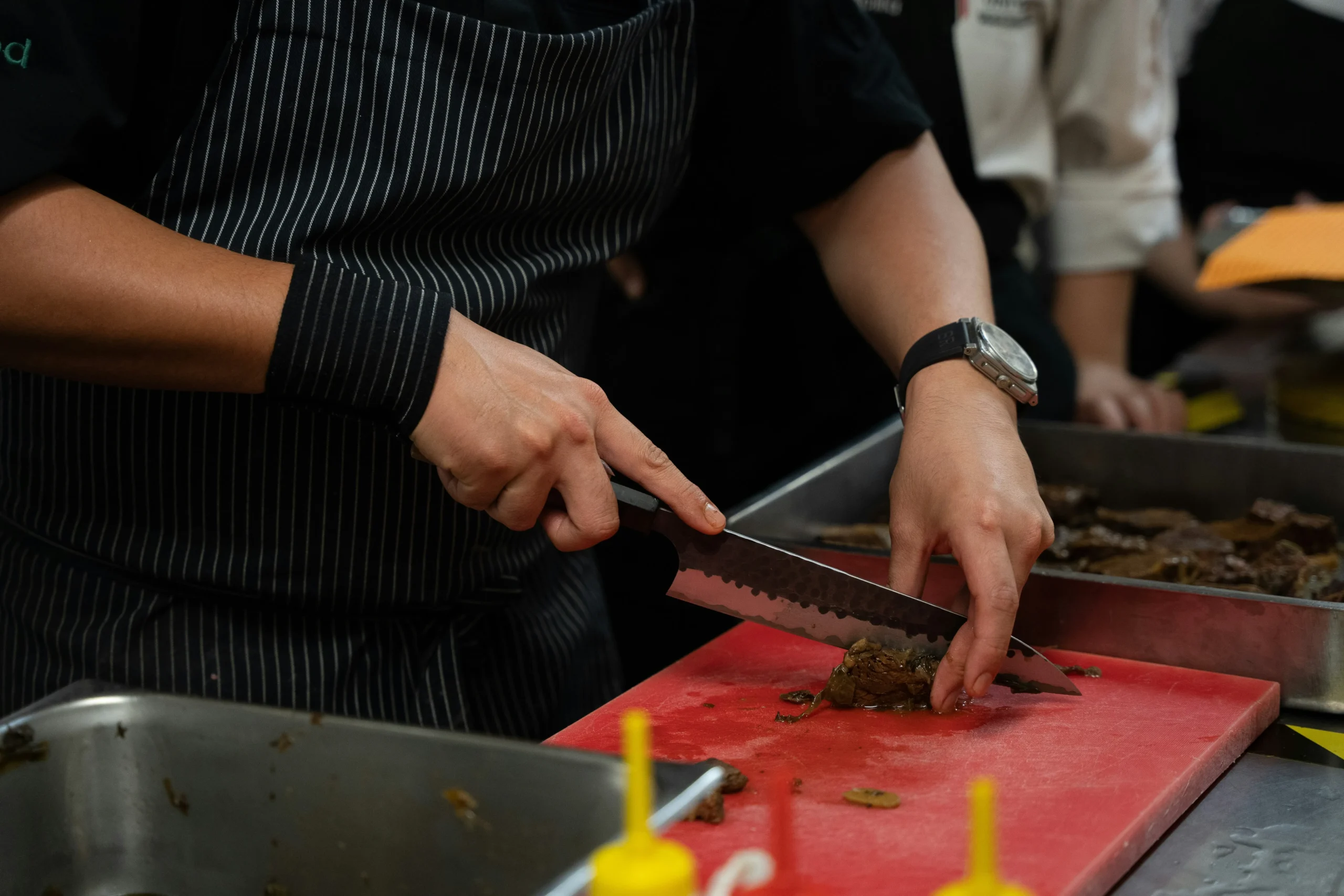
One in three people with food allergies has had a reaction in a restaurant. This figure highlights the importance of managing allergies in American restaurants. With 15 million people affected, food safety is key to restaurant quality.
InGastro Concepts offers comprehensive gastronomic consulting to implement effective strategies for food allergies. These measures improve the diners' experience and ensure compliance with current regulations.
Staff training is crucial. Trained employees have better knowledge about allergens, providing safer service. A specific plan for customers with allergies is necessary for their safety.
Severe food allergies are a growing health problem in the United States. They can trigger life-threatening reactions. This underscores the importance of accurate labeling and traceability of allergenic ingredients.
A food allergy is an abnormal immune response to certain foods. Intolerances affect the digestive system. Allergies, on the other hand, can cause symptoms in multiple body systems.
The figures reveal the magnitude of the problem:
The restaurant industry faces significant challenges:
| Appearance | Date |
|---|---|
| Formal allergy management protocol | Less than 30% of restaurants have it |
| Staff confidence in allergy management | 45% of restaurants do not trust the skills of their staff |
| Specific training on allergies | 25% of restaurants have not received it |
| Cross contamination incidents | 75% of allergic reactions in restaurants |
These data highlight the need to improve allergy management in restaurants. Focusing on staff training is crucial. Implementing effective safety protocols is also important.
The food industry must identify allergenic ingredients . The FDA has established eight major allergens in the United States. These cause 90% of severe food reactions.
Food and menu labels should clearly indicate these allergens. This helps consumers make informed decisions about their diet.
The eight most common allergens are:
Sesame is set to become the ninth major allergen in the U.S. by January 2023. It's important to read food labels to identify these ingredients.
Allergic reactions can be mild or severe. Common symptoms include:
Each year, 200,000 people in the U.S. need emergency medical care for food allergies.
Restaurants must create allergen-free menus or clearly identify allergens. A HACCP system helps assess risks and prevent cross-contamination. Ingredient traceability is key to food safety.
Managing allergens in restaurants requires staff training. Specific tools must also be used and cleaning records must be kept. These practices create a safe environment for diners with allergies.
American restaurants must effectively manage food allergies. Approximately 20 million people in the U.S. suffer from food allergies. Therefore, establishments need strict food safety protocols .
Food safety protocols are vital. They include separate areas for preparing meals for people with allergies. They also prevent cross-contamination.
Staff training is key. The CDC found that new staff know less about food allergies. This underscores the need for ongoing training.
Communication with customers is crucial. Providing verbal and written information about allergens is advisable. This improves the restaurant's safety and legal protection.
The nine main allergens must be clearly identified on menus. These are: milk, eggs, fish, shellfish, wheat, soy, peanuts, tree nuts and sesame.
“One in three people with food allergies has had a reaction in a restaurant”
InGastro Concepts offers mentoring for chefs in the US on food allergy management. This training is vital for diner safety. It also ensures the restaurant's success in an allergy-conscious market.
Kitchen protocols are vital to prevent cross-contamination and ensure food safety. InGastro Concepts advises restaurants on establishing effective allergy management practices.
Cross-contamination occurs when an allergenic food touches a safe food. Use separate utensils and surfaces for each type of food. Wash your hands frequently, especially when changing tasks.
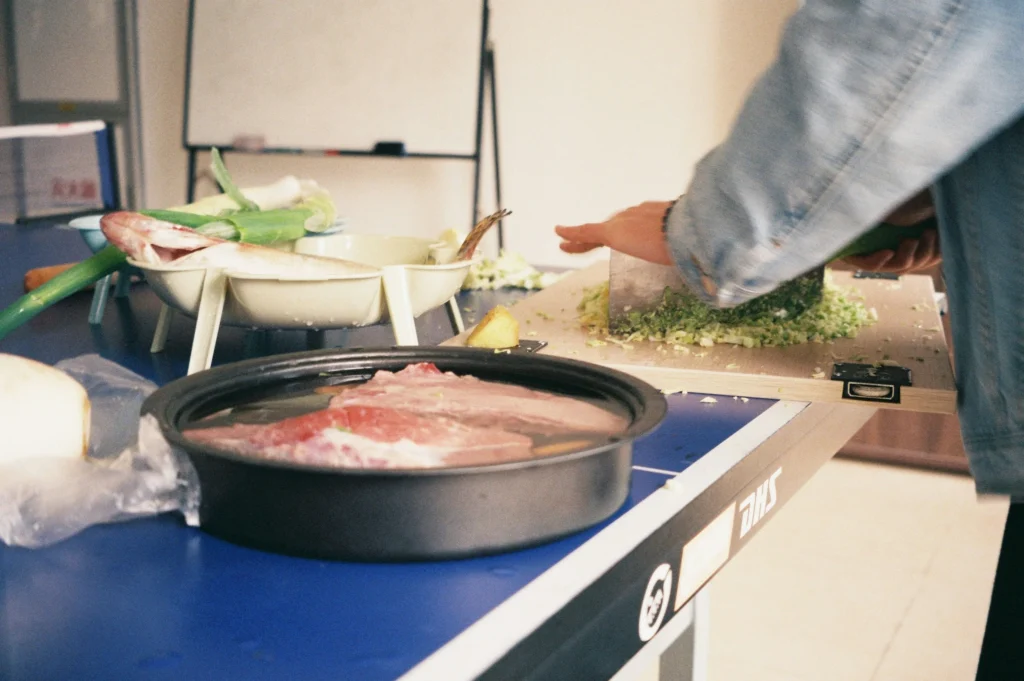
Thorough cleaning is essential for a safe environment. Clean and disinfect surfaces, equipment and utensils after each use. Use specific products to remove allergenic residues.
Store allergenic ingredients in airtight, labeled containers. Separate them from other foods. Designate specific areas in the kitchen and storage room for these items.
| Area | Recommended Temperature | Maximum Exposure Time |
|---|---|---|
| Fridge | 40°F (4°C) or less | 2 hours at room temperature |
| Freezer | 0°F (-18°C) or less | Does not apply |
| hot food | 140°F (60°C) minimum | 1 hour above 90°F (32°C) |
These protocols reduce the risk of allergic reactions, which affect an estimated 12 million Americans. With good management, restaurants can provide a safe environment for everyone.
Staff training on allergens is vital for food safety in restaurants. In the U.S., 32 million people have allergies. Staff training is key to improving restaurant quality and protecting customers.
An effective training program should cover important aspects. These include identifying major allergens and preventing cross-contamination. It also covers communicating with allergic customers and handling emergencies.
The investment in training is significant. Caring for children with allergies costs the U.S. $25 billion a year. Good training can reduce associated risks and costs.
Food allergy training is not a luxury, it is a necessity to ensure the safety of our clients and the success of our business.
A comprehensive food allergy training course is essential. It typically includes several important components for effective training.
| Components | Detail |
|---|---|
| Chapters | 6 focused on allergy management |
| Final exam | 40 questions, passing grade 75% |
| Attempts allowed | 2 within 30 days of registration |
| Completion requirement | 100% of the course material |
| Available languages | English and Spanish |
Allergy training improves the quality of food service in restaurants and saves lives. With proper training, staff can serve all customers safely.
Customer communication is key in managing food allergies. Personalized attention can increase sales and customer retention. Clear protocols improve safety and customer satisfaction.
Food safety protocols must include specific times for each interaction:
Keeping detailed records is crucial. An advanced CRM system can increase personalization by 45%. Documenting dietary needs helps prevent errors and improves the customer experience.
Emergency preparedness is vital in food allergy management. Establish a clear protocol:
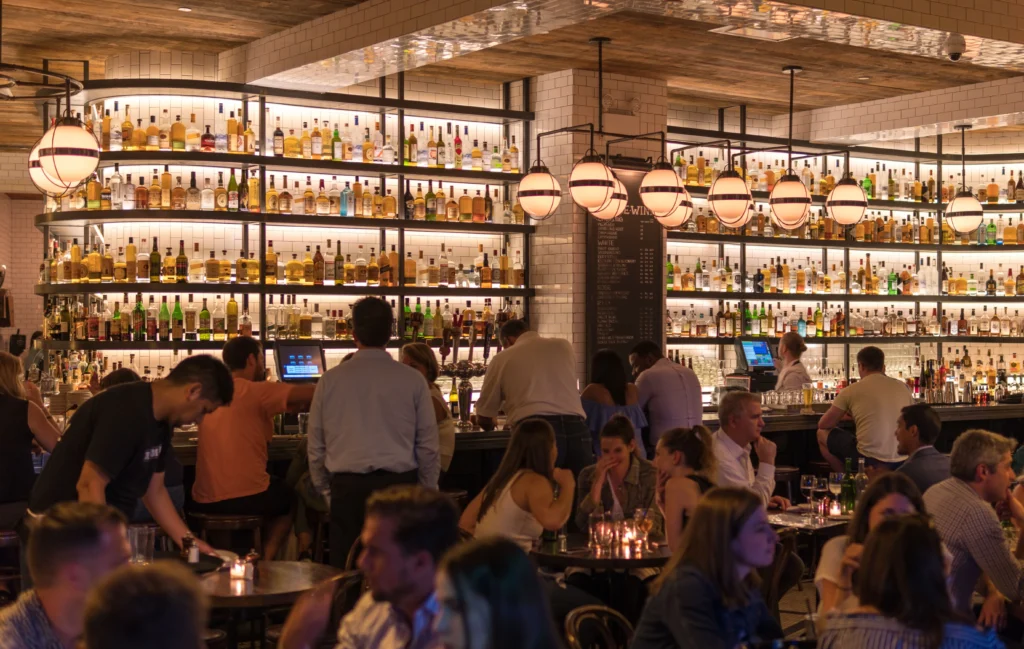
Effective communication can increase customer loyalty by 70%. Customer safety is paramount in the restaurant industry.
Food allergy laws and regulations in the U.S. are key to food safety in restaurants. The Food and Drug Administration (FDA) sets strict standards to protect consumers with allergies.
The Food Safety Modernization Act (FSMA) is the most significant reform in 70 years. It implements 7 new regulations focused on preventing and responding to food safety problems. It applies to companies that produce, process or hold food for consumption in the U.S.
Allergen labeling laws are essential. Federal law requires that the eight major allergens be clearly listed on labels. This helps consumers quickly identify potentially hazardous products.
| Company type | Compliance period |
|---|---|
| Very small | 3 years after the final rule |
| Little | 2 years after the final rule |
| Other | 1 year after the final rule |
Restaurants must undergo annual FDA inspections. Local regulations may vary by city. In San Francisco, for example, the delivery fee was capped at $0.15 in 2020.
The U.S. food industry is subject to strict regulations to protect public health and ensure transparency in allergen information.
InGastro Concepts offers comprehensive consulting for restaurants. It helps to comply with food safety and allergen management regulations. Its goal is to navigate the complex legal landscape of the sector.
Food allergy management is vital in U.S. restaurants. It ensures safety and maintains quality of service. More than 170 foods can cause allergies, requiring preparation for various dietary needs.
Eight allergens cause 90% of food allergies. A reaction can be triggered by less than 1 μg of the allergen. This highlights the need for strict protocols against cross-contamination.
Effective communication with customers is essential. Although not mandatory everywhere, managing allergens attracts more customers. A good Allergen Management Plan improves food safety.
This approach benefits both customers with allergies and the business. Implementing these practices can increase diner satisfaction and loyalty.
Subscribe and receive the latest posts in your email.