Address
We are a Gastronomic Consulting and Mentoring Agency based in the City of Miami, FL. - US
Work hours
Monday to Friday: 7 AM - 7 PM
Saturday: 10AM - 5PM
Address
We are a Gastronomic Consulting and Mentoring Agency based in the City of Miami, FL. - US
Work hours
Monday to Friday: 7 AM - 7 PM
Saturday: 10AM - 5PM
Wine is a universe full of styles, aromas, and techniques that can be overwhelming without a clear guide.
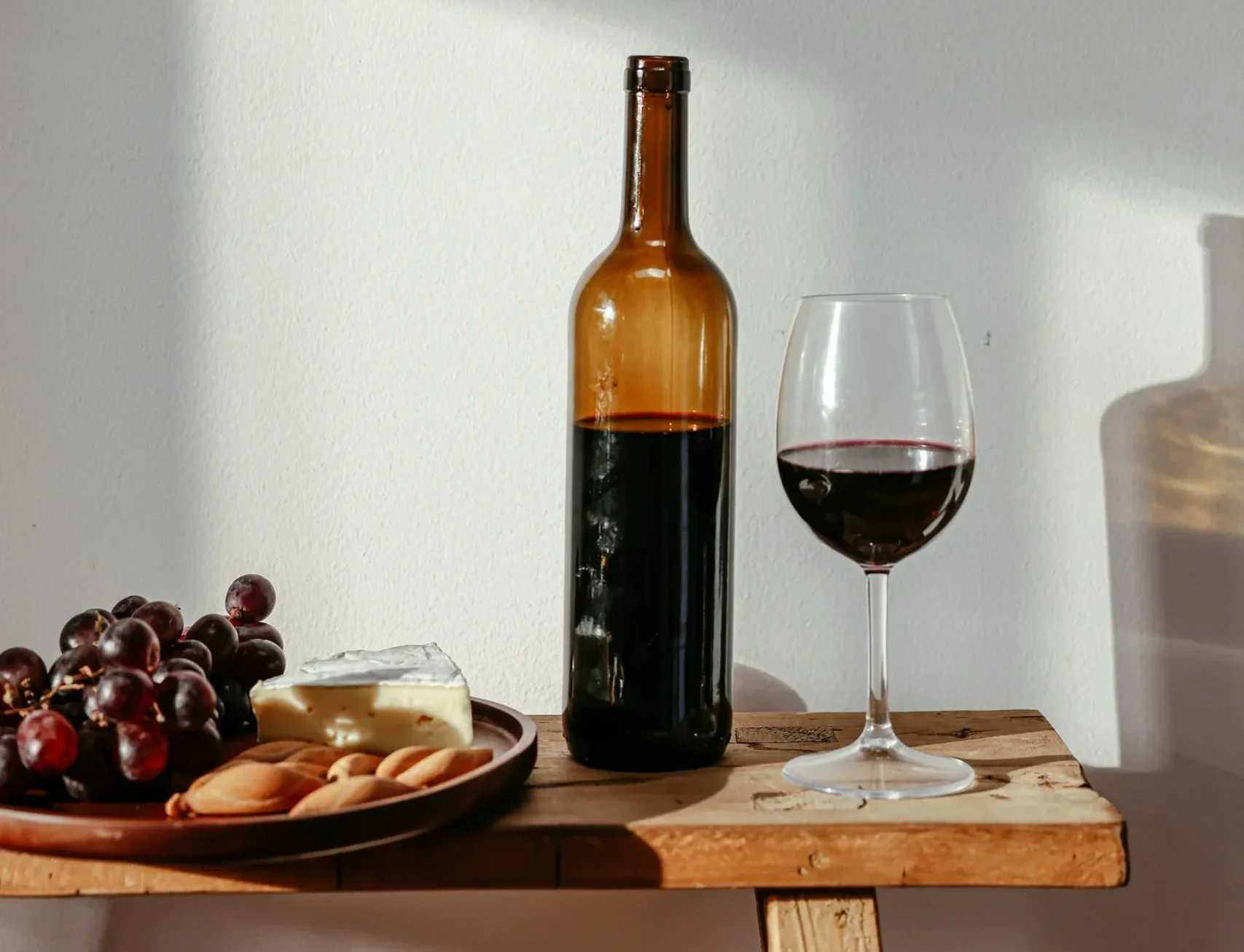
This glossary brings together the fundamental terms of the wine world — from grape varieties and wine styles to food pairings and tasting concepts —to help you better understand every label and every glass. An essential tool for enthusiasts , culinary students , and professionals who want to communicate about wine with precision and confidence.
The history of wine is as old as civilization itself . It dates back more than 8.000 years , when the first human settlements began to domesticate the grapevine and discover that fermented grape juice not only kept better but also acquired special flavors and effects . This discovery marked the beginning of a cultural , spiritual , and gastronomic tradition that continues to this day.
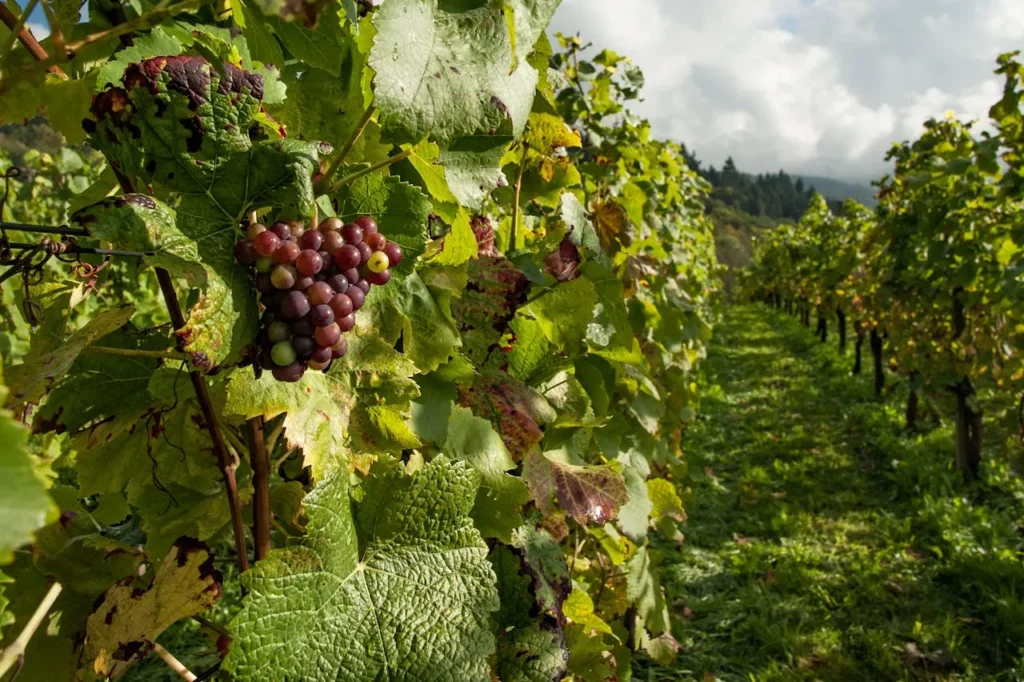
The oldest evidence of wine production was found in the Caucasus region , especially in present-day Georgia , where huge clay pots (qvevri) impregnated with remains of fermented grapes were found.
Simultaneously, in areas of Iran and Armenia , primitive winemaking facilities have been discovered, including what is considered the oldest winery in the world , dating back more than 6.000 years.
In ancient Egypt, wine became a ritual beverage, reserved for the elite and for religious ceremonies. Pharaohs' tombs depict detailed scenes of grape harvesting and pressing, demonstrating its cultural significance even then.
In Mesopotamia, wine was traded over long distances and its varieties were recorded on clay tablets, which shows the beginning of specialization.
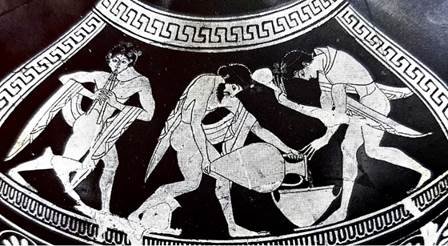
For the Greeks, wine was a fundamental part of daily and philosophical life.
Greece also spread viticulture throughout the Mediterranean.
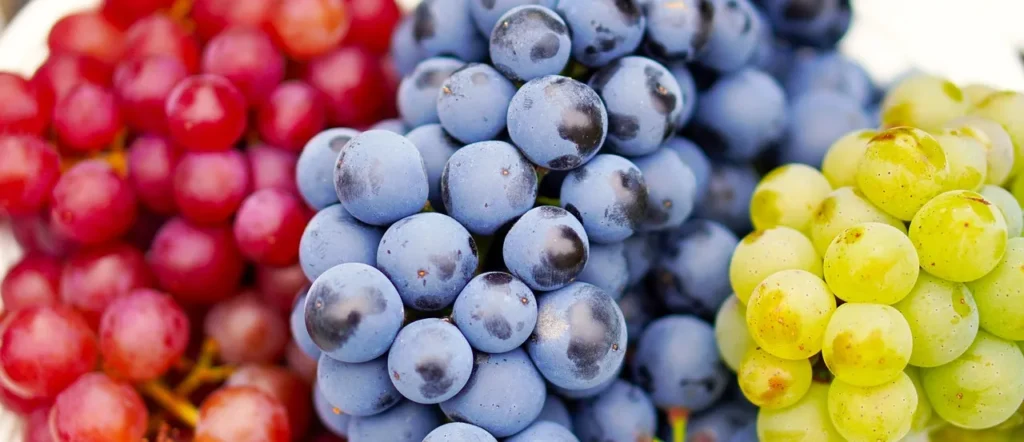
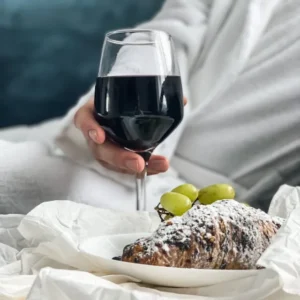
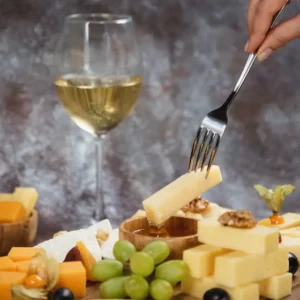
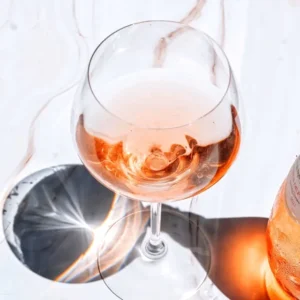
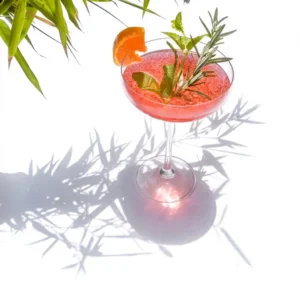
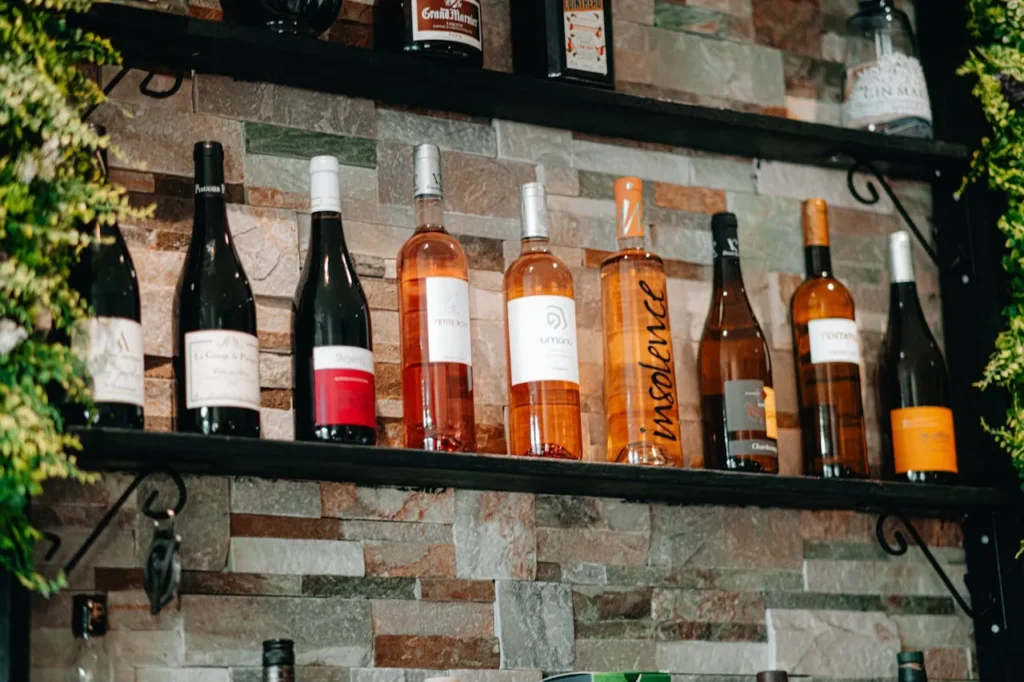

Wine is its own language, full of history, techniques, and nuances that evolve with each region, each grape, and each style. Understanding its essential terms not only makes choosing a bottle easier but also enriches the tasting experience, allows for a better understanding of its origin, and opens the door to more precise and enjoyable pairings.
This glossary brings together the essential concepts needed to navigate the world of wine with confidence, whether you're an enthusiast or a professional. From the ancient origins of wine to the most iconic grape varieties and key pairings, each concept expands your ability to interpret what's happening in the glass.
Because wine isn't just about drinking: it's about discovering, learning, and enjoying. And now, with this foundation, every sip can tell you a more complete story.
Subscribe and receive the latest posts in your email.






From young, fruity reds to lightly aged wines, we invite you to consult our gastronomic wine glossary. There you will find detailed information on grapes, styles, pairings, and techniques, which will help you […]