Address
We are a Gastronomic Consulting and Mentoring Agency based in the City of Miami, FL. - US
Work hours
Monday to Friday: 7 AM - 7 PM
Saturday: 10AM - 5PM
Address
We are a Gastronomic Consulting and Mentoring Agency based in the City of Miami, FL. - US
Work hours
Monday to Friday: 7 AM - 7 PM
Saturday: 10AM - 5PM
Discover how to efficiently organize work teams in modern restaurants. Learn about the kitchen brigade and the front-of-house team to optimize your business.
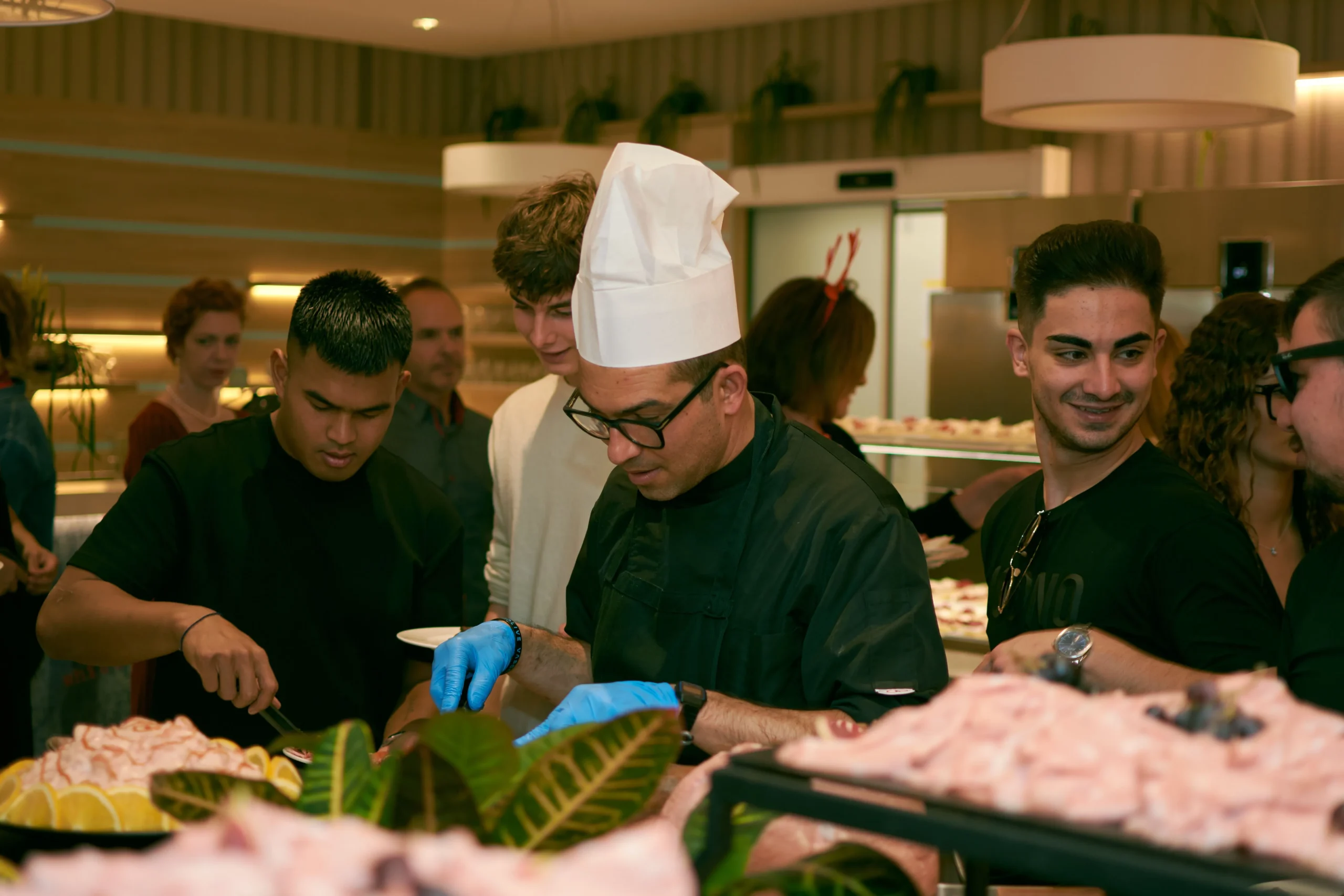
The success of modern restaurant organization depends not only on the quality of its food but also on the efficiency and coordination of its teams. In this article, we will explore modern team organization in restaurants, focusing on the kitchen brigade and the front-of-house team.
You will discover how a well-planned structure can improve productivity, service quality, and ultimately, customer satisfaction.
If you are interested in organizing the operation and management of your restaurant in a modern way, you can contact us at InGastro Concepts.
The way restaurant teams are organized has evolved significantly over the past few decades. While traditionally a rigid hierarchical model was followed, modern restaurants are adopting more flexible and collaborative structures.
Traditional model: Strict hierarchy, fixed roles, vertical communication.
Modern approach: Flatter structure, flexible roles, multidirectional communication.
This evolution responds to the changing demands of the gastronomy sector and the need to adapt quickly to new trends and customer expectations.
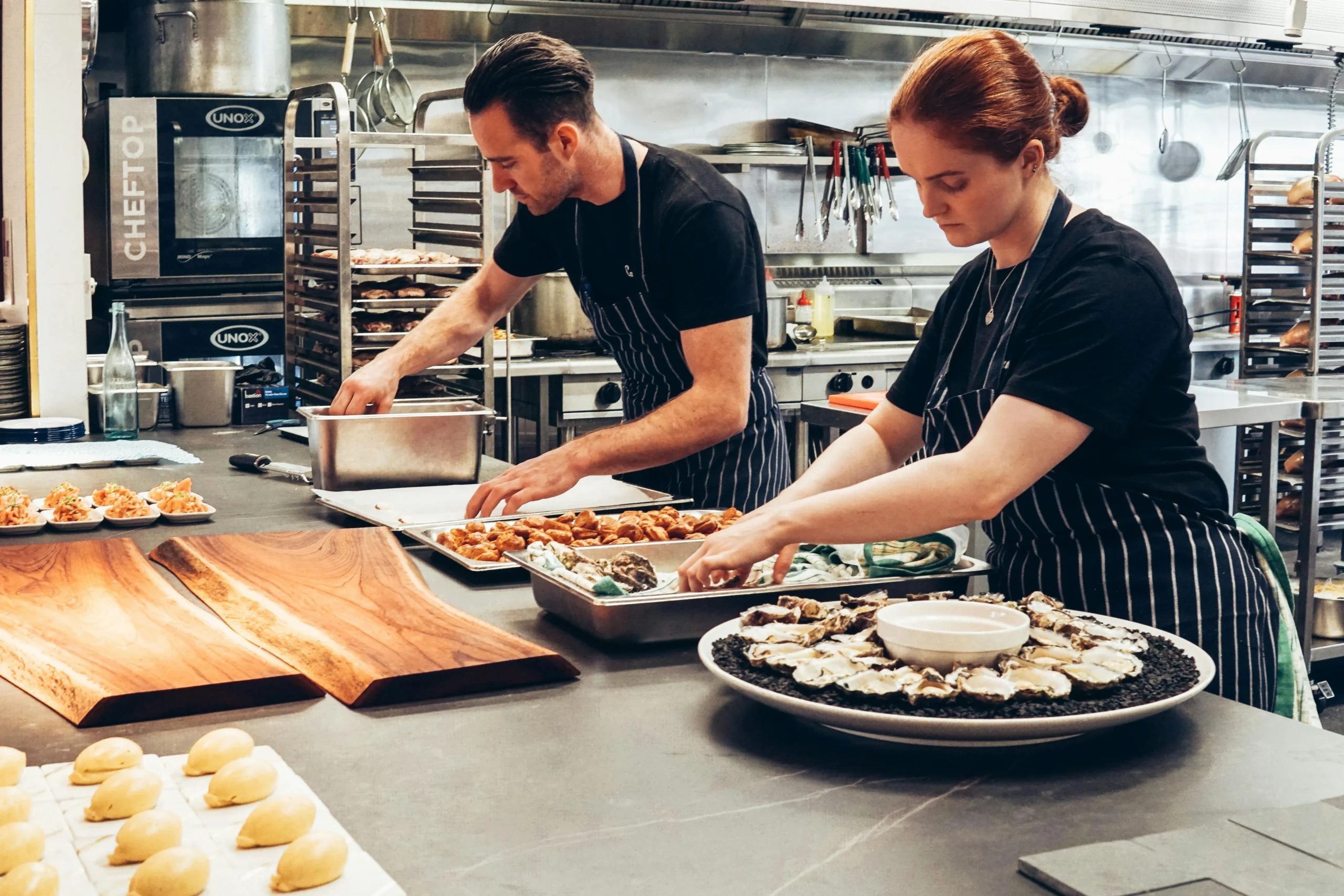
The kitchen brigade is the heart of any restaurant. Although the concept was popularized by Auguste Escoffier in the 19th century, the modern version has undergone significant changes.
Front of house staff are crucial to the customer experience. Their organization has evolved to meet modern service expectations.
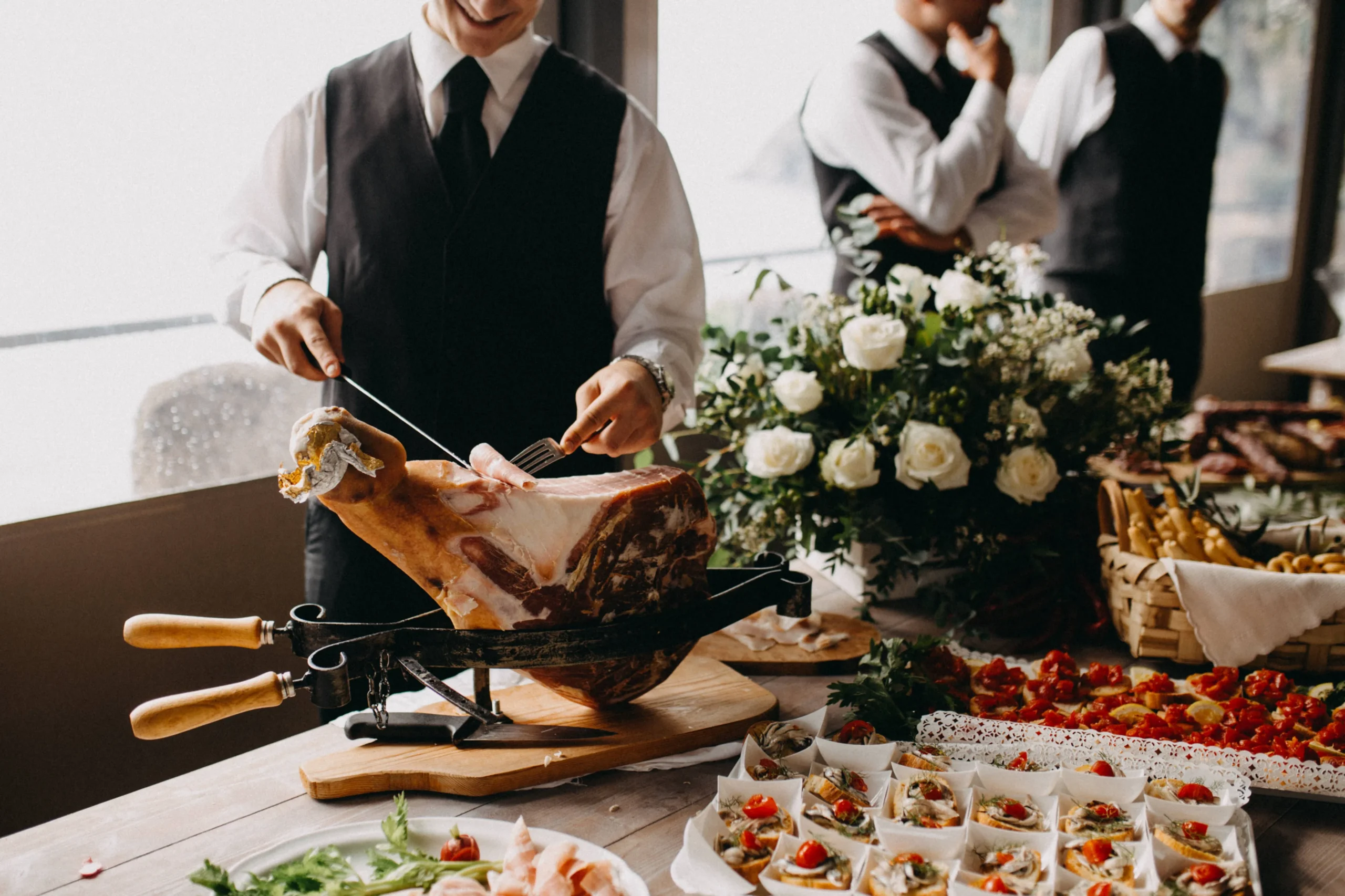
The synergy between the kitchen brigade and the dining room team is essential for the success of the restaurant. Effective coordination guarantees a smooth service and an exceptional dining experience.
«The key to success in a modern restaurant is fluid communication and mutual respect between the kitchen and the dining room. When both teams work as one, magic happens.» – Chef José Andrés
Adopting a modern team organization may seem challenging, but the benefits are significant. Here are some steps to implement these changes in your restaurant:
Evaluate your current structure: Identify areas for improvement in the organization of your teams.
Encourage open communication: Create channels for all team members to share ideas and concerns.
Invest in training: Train your staff in multidisciplinary skills and customer service.
Adopt the right technology: Implement systems that facilitate communication and order management.
Promote flexibility: Encourage your team to take on different roles and responsibilities.
Set clear objectives: Define common goals for both teams that encourage collaboration.
The restaurant industry is constantly evolving, and team organization will continue to adapt to new trends and technologies. Some predictions for the future include:
Greater integration of artificial intelligence in team management.
Increase in hybrid roles that combine kitchen and dining room skills.
Focus on sustainability and the well-being of staff as an integral part of the organization.
Extreme service personalization based on customer data and preferences.
Modern team organization in restaurants, both in the kitchen and front-of-house teams, is fundamental to success in today's food service industry. By adopting more flexible structures, fostering open communication, and leveraging technology, restaurants can significantly improve their efficiency, customer satisfaction, and overall service quality.
Remember that adaptability and continuous improvement are key. Don't be afraid to experiment with different structures and roles until you find the perfect balance for your establishment. With the right approach, you can create a cohesive and efficient team that will take your restaurant to the next level.
Traditional organizations are based on a rigid hierarchy and fixed roles, while modern organizations promote a flatter structure, flexible roles, and more open communication across all levels.
Small restaurants can adapt these concepts by encouraging multitasking, rotating roles, implementing efficient communication systems, and promoting a collaborative work environment.
Some key technologies include point-of-sale (POS) systems, staff scheduling software, internal communication applications, and data analytics tools to optimize operations.
Coordination can be improved through daily team meetings, use of technology for real-time communication, occasional staff rotation between areas, and the establishment of common goals.
The most valued skills include adaptability, effective communication, teamwork, problem solving, multidisciplinary knowledge and customer orientation.
Begin by evaluating your current structure and gradually implementing the concepts we've discussed. Remember, success in modern restaurant management lies in adaptation and continuous improvement.
Share this article with your team and start transforming your business today!
Subscribe and receive the latest posts in your email.