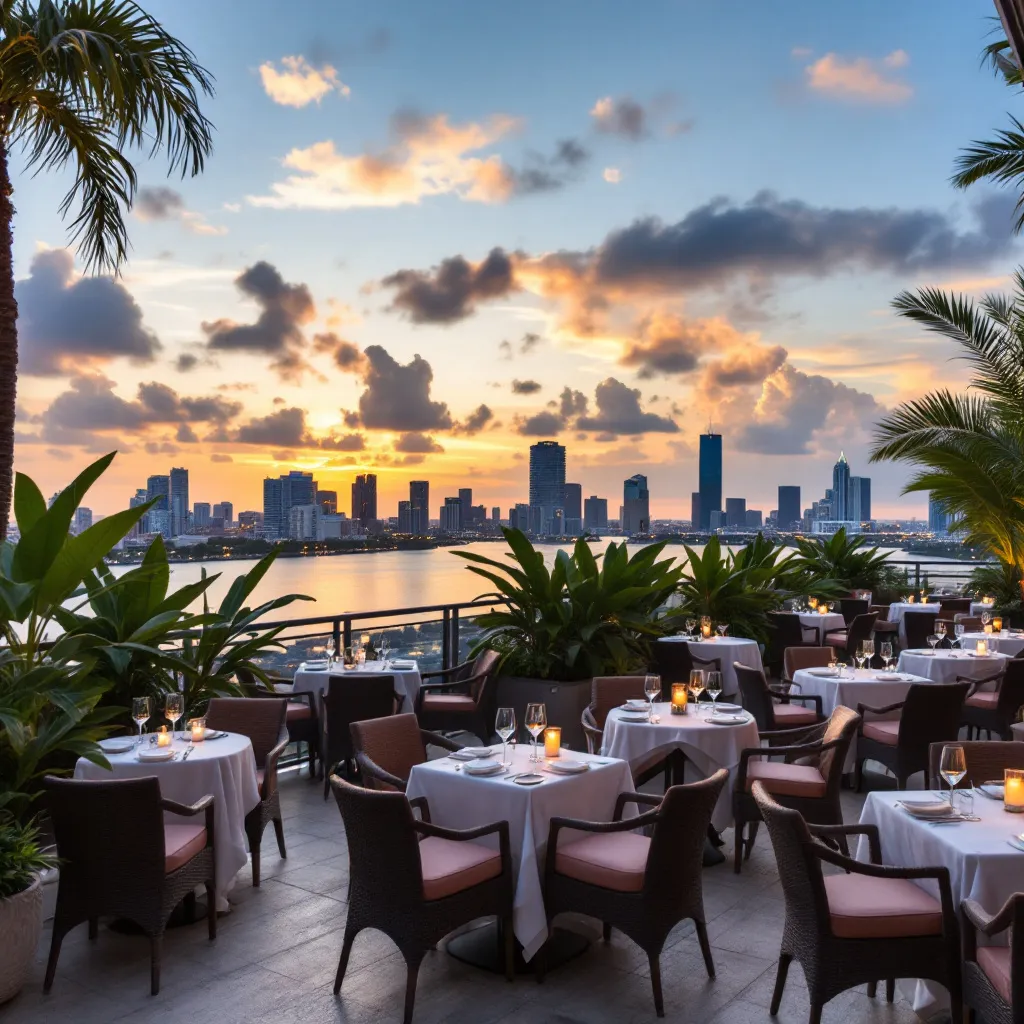
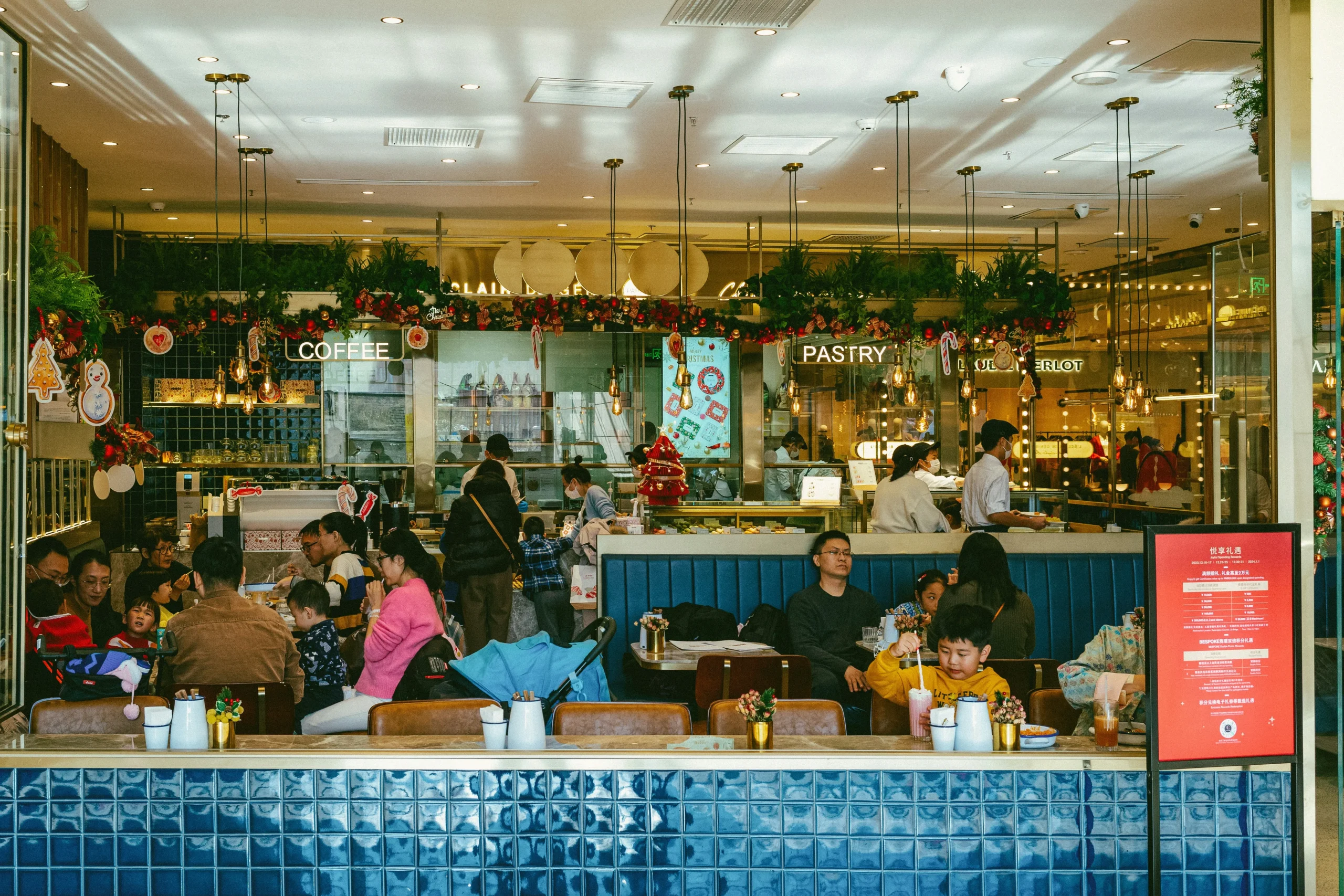
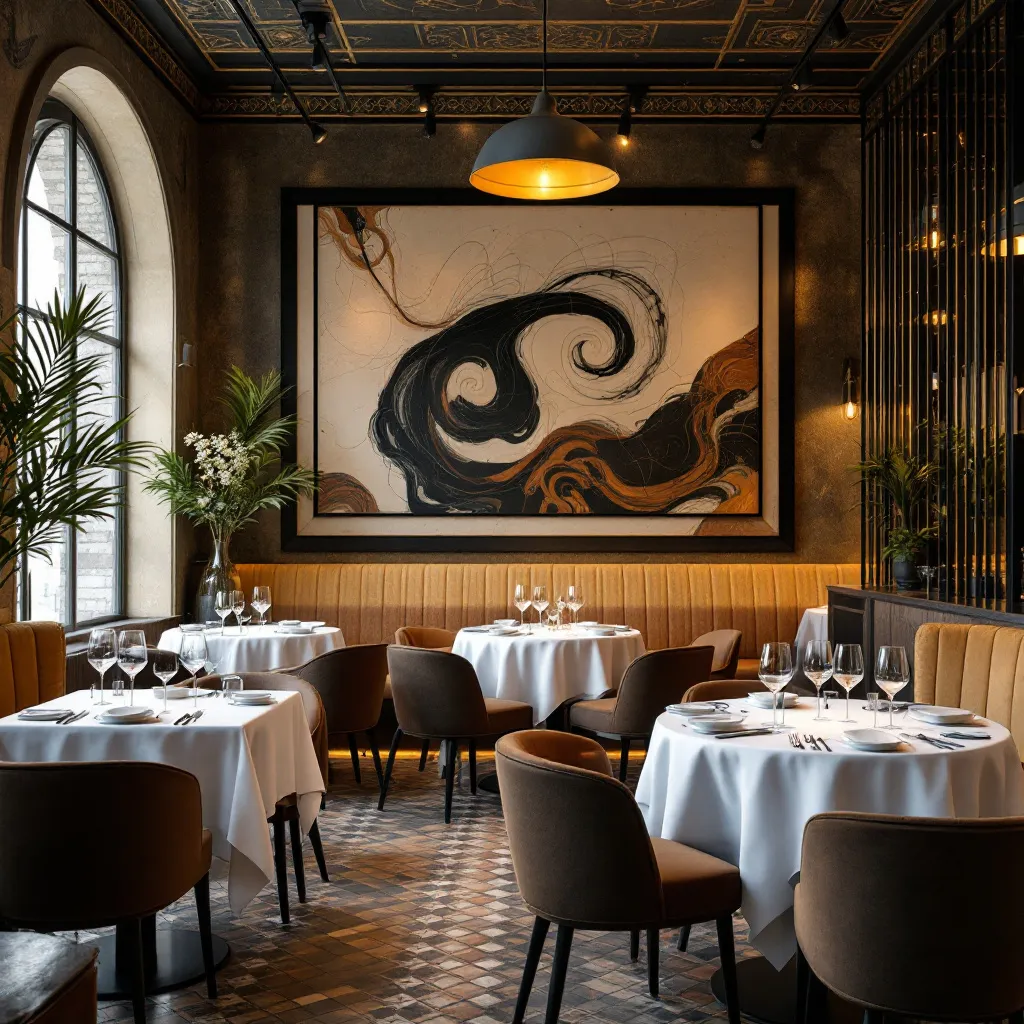
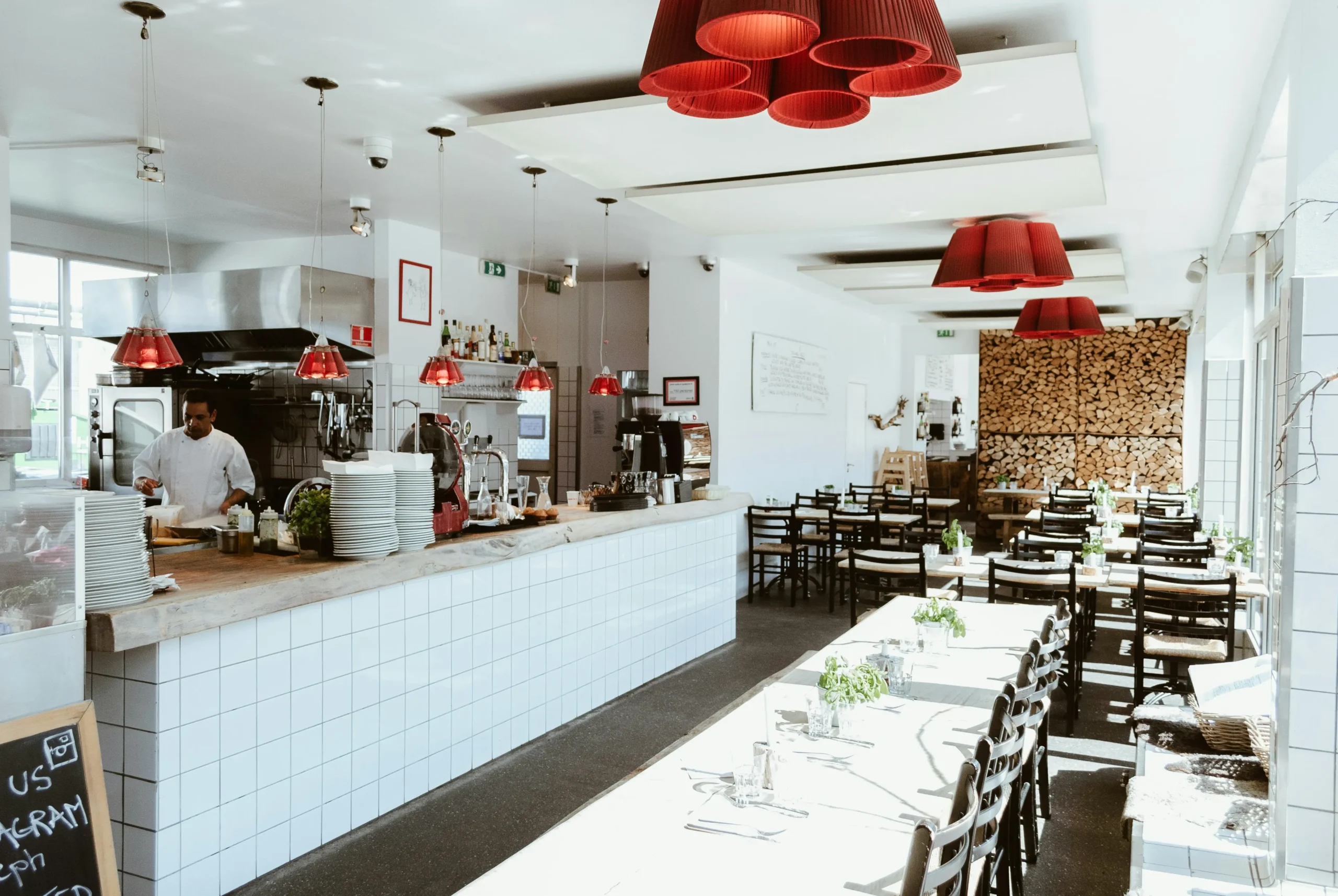
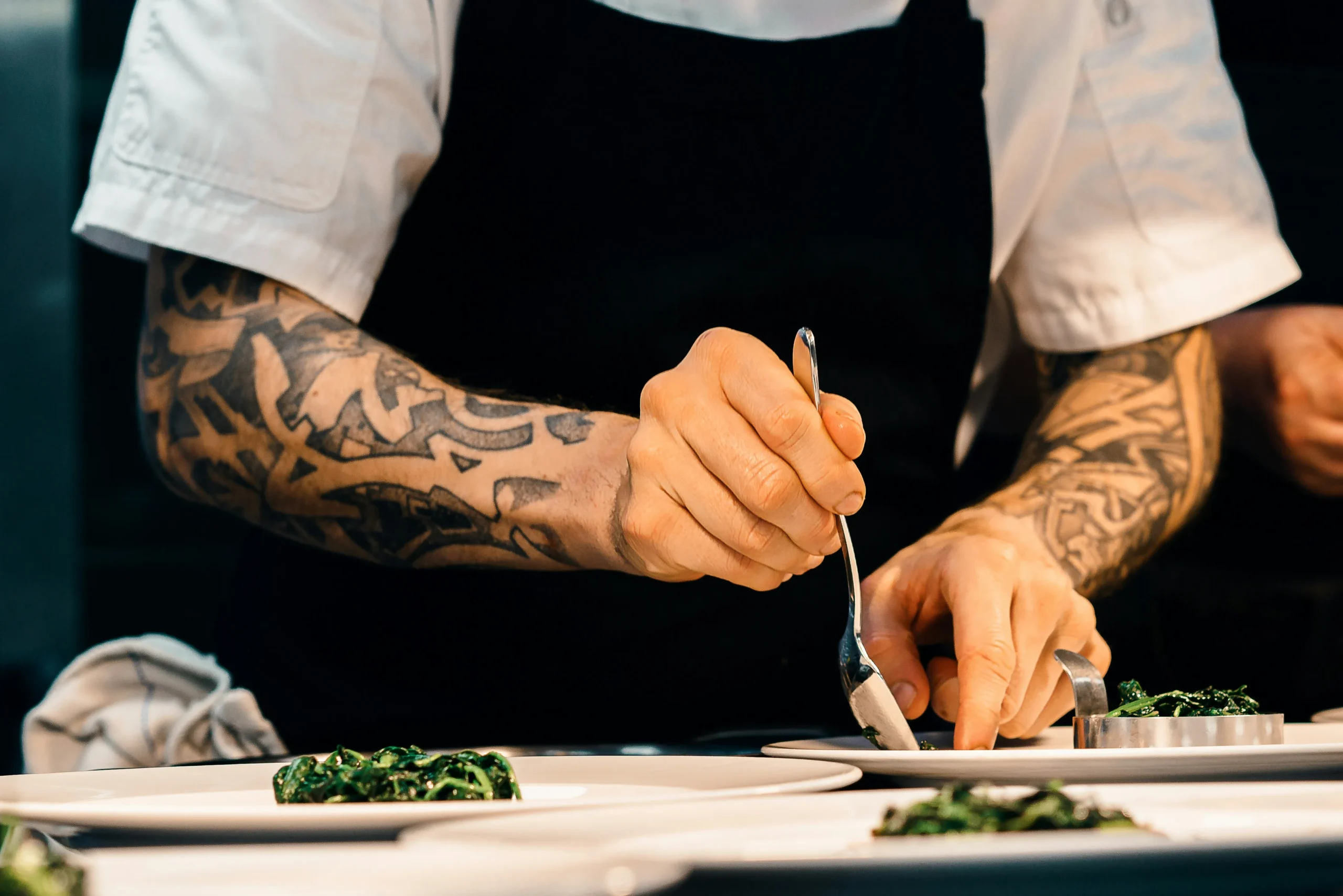
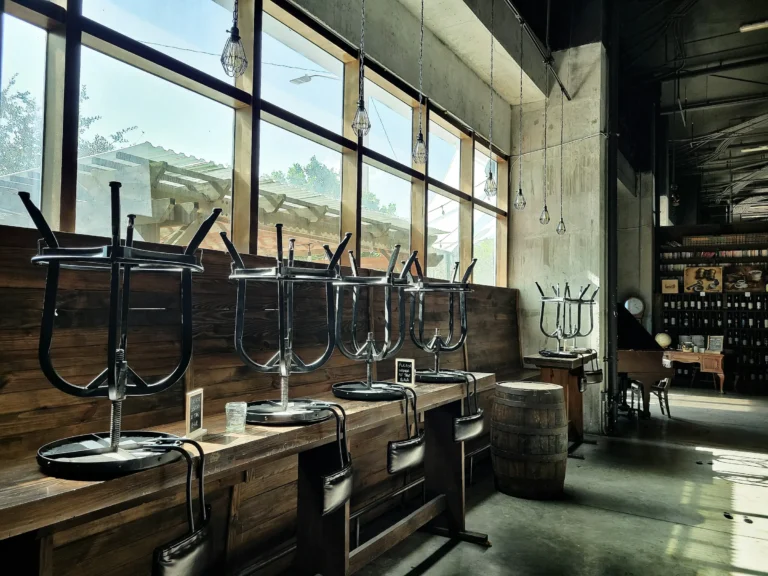
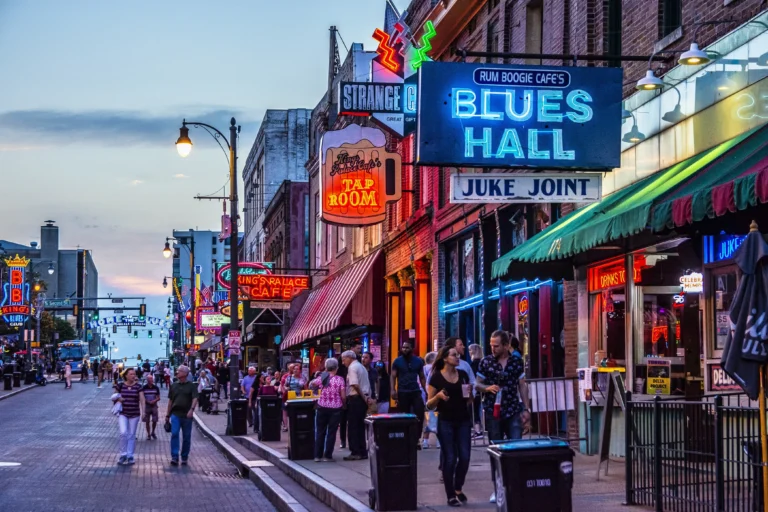
Latin American fusion cuisine presents an exceptional opportunity for restaurants in Miami. The current market demands specific strategies to stand out in this competitive category. This article presents effective techniques for positioning Latin American fusion restaurants in the competitive Miami market.
Analysis of the Gastronomic Market in Miami
Miami boasts over 4,500 active restaurants. Latin American cuisine establishments comprise 32% of the local food market. This concentration creates both unique opportunities and challenges for culinary entrepreneurs.
Current Industry Statistics
The figures demonstrate the market's potential:
Indicator Miami Data 2024 Trend Latin American fusion restaurants 450+ +15% annual Average spending per diner $68 +8% annual Monthly customer turnover 35 % -5% annual Average operating margin 22 % +3% annual
Latin American fusion restaurants are outperforming traditional concepts in profitability. According to data from the Florida Restaurant Association, these establishments show a return on investment rate 25% higher than the industry average.
Miami Consumer Preferences
The Miami audience exhibits specific characteristics:
Multicultural Demographics
70% of residents have Latin American connections
45% of the population is bilingual in Spanish and English
55% annual international visitors
Gastronomic Expectations
Authenticity with innovation
Shareable experiences on social media
Unexpected combinations of traditional flavors
Personalized service with cultural awareness
Chef Yoher Vielma – CEO and Gastronomic Consultant Differentiating Elements of Latin American Fusion
Latin American fusion combines diverse culinary traditions. A detailed analysis of the differentiating elements helps define effective strategies.
Distinctive Culinary Techniques
The techniques define modern Latin American fusion:
Hybridization of Methods
Traditional cooking with contemporary equipment
Ancient techniques adapted for fast service
Traditional fermentation methods applied to unconventional ingredients
Characteristic Ingredients
Local Florida products
Exclusive imports from Latin America
Adaptations of traditional ingredients
Successful restaurants identify unique culinary techniques. This specialization generates sustainable competitive advantages.
Successful Gastronomic Concepts
Analysis of successful cases reveals patterns:
Concept Differentiating Elements Market Impact Peruvian-Nikkei Japanese techniques with Peruvian ingredients +38% premium pricing Caribbean-Mediterranean Mediterranean cooking methods with Caribbean spices +45% customer retention Mexican-Brazilian Steakhouse with Oaxacan influences +52% average ticket Colombian-Lebanese Mezze with Colombian ingredients +40% recommendations
Positioning Strategies for Latin American Fusion Restaurants in Miami Branding and Positioning Strategies
Effective branding requires elements specific to the Miami market.
Brand Identity Development
Brand identity must communicate the value proposition:
Visual Elements
Color palettes that reflect Latin American regions
Typefaces that balance tradition and modernity
Food photography that highlights textures and techniques
Designing spaces that tell a cultural story
Brand Narrative
Authentic story of the chef or founders
Personal connection with the cultures represented
Purpose beyond profitability
Commitment to Latin American communities
Staff management in multicultural Miami kitchens contributes significantly to brand authenticity.
Strategic Pricing Strategies
Price positioning defines expectations:
strategy Application Results Premium Exclusive ingredients, complex techniques +35% margin, -15% volume Perceived value Generous portions, unique experience +25% repetition, +18% volume Segmented Executive and premium menus +40% total occupancy
Price communicates value. Successful restaurants use dynamic pricing strategies based on tourist seasons.
Complete Gastronomic Experience Design
Experience determines positioning in the consumer's mind.
Architecture of Space
Physical design influences perception:
Architectural Elements
Spaces that reflect Latin American regions
Areas differentiated by experience
Visualization of culinary processes
Acoustics designed for conversation
Sensory Design
Lighting adapted to times of day
Controlled aromas that enhance the experience
Tactile textures in furniture and tableware
Music representative of fused cultures
Interior design for restaurants in Miami Beach requires specific knowledge of the local market.
Positioning Strategies for Latin American Fusion Restaurants in Miami The menu acts as a marketing tool:
Optimal Structure
Sections that tell a cultural story
Signature dishes with a unique narrative
Options for different levels of culinary adventure
Seasonal rotation with local ingredients
Menu Engineering
Profitability analysis per dish
Strategic placement of premium items
Evocative descriptions that educate about fusion
Pairings that complement the experience
Implementing upselling techniques for restaurants in the US increases the average ticket by 22%.
Staff Training
The staff represents the brand:
Cultural Knowledge
History of fusion cuisines
Origin of ingredients and techniques
Specific cultural vocabulary
Personal connections with gastronomy
Service Skills
Storytelling about gastronomy
Personalized Recommendations
Managing cultural expectations
Adaptation to different diner profiles
Customer service culture in US restaurants defines specific standards for the Miami market.
Digital Marketing for Fusion Restaurants
Digital strategies generate visibility and conversions.
Online Presence Optimization
Digital presence requires a strategic approach:
Local SEO Elements
Geographic search optimization
Bilingual Spanish-English content
Specific keywords for Latin American fusion
Verification on local platforms
Reputation Management
Active review monitoring
personalized responses
Strategic solicitation of opinions
Proactive problem solving
Managing online reviews for restaurants in the US increases the average rating by 0.8 points.
Social Network Strategies
Social media platforms require specific approaches:
Consumer Relations Platform Optimal Content Frequency Social Impact Instagram Photogenic dishes, culinary processes Diary +45% recognition TikTok Unique techniques, personal stories two weeks +65% youth reach Facebook Events, promotions, stories two weeks +30% reservations YouTube Complete processes, chef interviews two weeks +25% visit time
Instagram marketing for restaurants in Miami generates specific results for fusion cuisine.
Personalized Email Marketing
Email maintains a connection with customers:
Effective Strategies
Segmentation by culinary preferences
Educational content about mergers
Promotions for specific moments
Exclusive stories about ingredients or techniques
Key Automations
Post-visit sequence
Personalized congratulations
Invitations to exclusive events
Recommendations based on history
Innovation and Adaptability
Constant innovation maintains competitive relevance.
Culinary Research and Development
R&D generates competitive advantages:
Structured Processes
Recipe development calendar
Focus group testing
Systematic documentation
Cost-benefit analysis
Emerging Trends
Unexplored mergers between regions
Rediscovered ancestral techniques
Underutilized ingredients
Innovative presentations
Adaptation to Market Changes
Flexibility ensures sustainability:
Resilience Strategies
Adaptable modular menus
Diversification of sales channels
Hybrid in-person-delivery models
Scalable service formats
Trend Monitoring
Quarterly competitive analysis
Subscription to sector reports
Visits to source markets
Participation in gastronomic events
Optimizing delivery menus in Florida complements the in-person experience.
Positioning Strategies for Latin American Fusion Restaurants in Miami Regulatory Compliance and Certifications
Legal compliance ensures sustainable operation.
Regulatory Requirements in Miami
Specific regulations include:
Essential Permits
Food establishment license
Municipal health certificate
Permits for alcohol service
Food handling certifications
Operational Compliance
Food safety standards
Allergen protocols
Labeling requirements
Specific labor standards
Florida's restaurant regulations define specific requirements for fusion establishments.
Differentiating Certifications
Certifications add value:
Certification Our Mill Social Impact Sustainability Reducing waste, attracting conscious customers +28% preference Fair Trade Guaranteed origin of ingredients, authentic history +32% rating Organic Quality ingredients, premium feel +25% discount on price Gluten-free Inclusivity, specific market +15% range
Culinary certifications in the US provide competitive advantages.
Loyalty and Customer Loyalty Programs
Customer retention reduces acquisition costs.
Designing Effective Programs
The programs function with an appropriate structure:
Core items
Progressive benefits
Personalized recognition
Exclusive experiences
Themed surprises
Technological Implementation
Integrated mobile application
Transparent dot system
Automatic reminders
Behavior analysis
Customer loyalty in Miami restaurants requires culturally relevant approaches.
Success Metrics
Monitoring determines effectiveness:
Metric Objective Method Retention rate >45% Tracking repeat visits LTV (customer lifetime value) >$2,500 Analysis of accumulated expenses NPS (Net Promoter Score) > 60 Post-service surveys Referral rate >25% Custom codes
Success Stories in Miami
Practical examples illustrate effective strategies.
Caribbean-Mediterranean Fusion Restaurant
This successful concept implemented:
Effective Differentiation
Mediterranean techniques with Caribbean ingredients
An atmosphere that transports you to the coasts of the Mediterranean and the Caribbean
Wine list with a focus on similar regions
Monthly themed experiences
Results obtained
85% increase in profitability
92% occupancy in the first year
Average waiting list 35 days
Recognition in specialized publications
Contemporary Peruvian-Nikkei Restaurant
This establishment achieved premium positioning:
Implemented Strategies
Focus on Japanese techniques with Peruvian ingredients
Minimalist space with Peruvian artisanal details
Chef trained in Japan and with Peruvian roots
Tasting menu as the main experience
Results obtained
Michelin star in 18 months
Average ticket price $120 per person
Bookings must be made 60 days in advance.
International recognition
Mexican-Brazilian Fast-Casual Chain
This scalable model demonstrated commercial viability:
Differentiated Concept
Steakhouse-style proteins with Mexican sauces
Self-service system with personalization
Vibrant atmosphere with elements of both cultures
Affordable price with premium experience
Successful Expansion
5 locations in 3 years
Average sales $2.8M per unit
68% repeat customers
Established franchisable model
Strategic Implementation Plan
Implementation requires structured stages.
Phase 1: Diagnosis and Planning (3 months)
This phase establishes the foundations:
Key Activities
Specific market research
Detailed competitive analysis
Definition of a unique value proposition
Identifying differentiation opportunities
Specific Deliverables
Gastronomic concept document
Initial Investment Financial Plan
Detailed profile of ideal client
SWOT analysis specific to Latin American mergers
Phase 2: Concept Development (4 months)
This stage brings the vision to life:
Central Processes
Representative menu development
Physical space design
Visual identity creation
Establishment of operational processes
Required Validations
Proof of concept with focus groups
Operational feasibility analysis
Financial validation of proposal
Customer experience refinement
Designing bilingual menus optimizes communication with diverse customers.
Phase 3: Pre-launch (3 months)
Preparation ensures initial success:
Critical Elements
Hiring and training staff
Operating system configuration
Development of digital presence
Public relations strategy
Pre-launch Milestones
Event for specialized media
Private sessions for influencers
Complete operational testing
Final process calibration
Phase 4: Launch and Optimization (6 months)
The initial period determines the trajectory:
Inaugural Activities
Strategic grand opening event
Coordinated digital campaign
Relations with local media
Initial loyalty program
Improvement Cycles
Systematic collection of feedback
Weekly operational adjustments
Refinement of gastronomic offerings
Optimization of touchpoints
Restaurant operations optimization presents relevant cases in Florida.
Success Metrics and KPIs
Objective measurement guides strategic decisions.
Financial indicators
These numbers reveal the health of the business:
Indicator Benchmark Tracking Method Gross margin >65% Restaurant management software Food costs <28% Weekly inventory analysis Labor cost <30% Time control system EBIT >18% Monthly financial reports
Experience Indicators
Perception determines reputation:
Qualitative Metrics
NPS (Net Promoter Score): target >60
Rating on platforms: target >4.5/5
Average stay time: target >85 minutes
Complaint rate: target <2%
Collection Methods
Automated post-experience surveys
Monitoring of mentions on social media
Selective interviews with clients
Analysis of comments on platforms
Marketing Indicators
This data measures promotional effectiveness:
Indicator Objective Tools Booking conversion rate >3.5% Online booking system Customer acquisition cost <$ 18 Analytics platform Database size +15% monthly CRM restaurant Social media engagement >5% Social analytics tools
Common Challenges and Solutions
Specific challenges require tailored strategies.
Market Challenges
Competition generates specific pressures:
Supply saturation
Challenge More than 450 Latin American restaurants in MiamiA satisfactory solution Specialization in unique and underrepresented mergersImplementación Research into unexplored gastronomic nichesExpected result 80% reduction in direct competition
Consumer Education
Challenge : Lack of knowledge about specific mergersA satisfactory solution : Educational program integrated into experienceImplementación Gastronomic narratives during serviceExpected result 45% increase in understanding and appreciation
Operational Challenges
The operations present particular challenges:
Supply of Specific Ingredients
Challenge Limited access to authentic productsA satisfactory solution Network of specialized providers and local alternativesImplementación Direct relationships with specific importersExpected result 95% guarantee of availability of key ingredients
Trained Personnel
Challenge Shortage of cooks with multicultural knowledgeA satisfactory solution Internal talent development programImplementación Partnerships with culinary schools and cross-trainingExpected result : 100% competent team in 6 months
Inventory and supplier management for restaurants in Florida offers practical solutions.
Positioning Strategies for Latin American Fusion Restaurants in Miami Future Trends in Latin American Mergers
Emerging trends define opportunities.
Gastronomic Innovations
The future presents new possibilities:
Emerging Mergers
Andean cuisine with Nordic techniques
Amazonian cuisine with Asian influences
Caribbean dishes with French methods
Guarani cuisine with Mediterranean influences
Techniques in Development
Fermentation applied to Latin American ingredients
Aging of tropical proteins
Distillation of native flavors
3D printing with traditional ingredients
Technology redefines experiences:
Practical applications
Augmented reality to explain origins
Predictive ordering based on preferences
Pairings customized by algorithms
Complete traceability of ingredients
Operating Systems
Smart kitchens with energy efficiency
AI-managed inventories
Demand forecasting through data analysis
Mass customization of experiences
Process automation in commercial kitchens has specific applications.
Sustainability as a Competitive Advantage
Sustainability creates significant differentiation.
Eco-Responsible Practices
These initiatives create value:
Supply chain
Local sourcing whenever possible
Direct relationships with producers
Selection of certified suppliers
Reduction of logistics carbon footprint
Daily Operations
Efficient waste management
Reduction in energy consumption
Optimizing water use
Compostable packaging
Community Impact
Local connections strengthen positioning:
Effective Initiatives
Collaboration with local Latin American producers
Educational programs for communities
Support for cultural festivals
Mentoring migrant food entrepreneurs
Values Communication
Transparency in practices
Impact stories shared
Customer involvement
Verifiable certifications
The use of local Florida ingredients reinforces authenticity and sustainability.
Available Resources and Support
Entrepreneurs receive specific support.
Associations and Organizations
These entities offer resources:
Relevant Institutions
Florida Restaurant & Lodging Association
Hispanic Chamber of Commerce
Greater Miami Convention & Visitors Bureau
Culinary Institute of Miami
Support Programs
Mentoring for new restaurants
Funding for innovative concepts
Trade missions to Latin American countries
Specialized food fairs
Specialized Consulting Services
Professional advice optimizes results:
Areas of expertise
Gastronomic conceptualization of fusion
Operations adapted to multicultural kitchens
Marketing for diverse audiences
Designing authentic experiences
Proven Benefits
40% reduction in implementation time
35% reduction in initial operational errors
55% increase in marketing effectiveness
Optimization of 30% of inaugural costs
Conclusions and Final Recommendations
Effective positioning of Latin American fusion restaurants in Miami requires a strategic focus on four key areas:
Authentic Differentiation
Underrepresented gastronomic combinations
Personal narratives connected to cultures
Distinctive culinary techniques
Complete sensory experiences
Efficient Operations
Processes adapted to multicultural kitchens
Resilient supply chain
Staff trained in various techniques
Technology that improves experience
Culturally Relevant Marketing
Strategic bilingual communication
Locally optimized digital presence
Authentic community relations
Loyalty program with cultural values
Constant Innovation
Structured trend research
Agile adaptation to changing preferences
Data-driven experimentation
Sustainability as a guiding principle
Recommended Next Steps
To implement these strategies:
Conduct a specific opportunity assessment
Develop a differentiated concept based on data
Implement strategic plan in phases
Establish a system of continuous improvement
Leadership in Miami restaurants requires clear vision and precise execution.
Chef Yoher Vielma – CEO and Gastronomic Consultant For personalized advice on positioning Latin American fusion restaurants in Miami:
Email: info@ingastroconcepts.com
Telephone: +1 786 793 8217
InGastro Concepts offers specialized consulting for entrepreneurs and operators looking to stand out in Miami's competitive food market. Our approach combines market data, cultural knowledge, and proven strategies to create successful concepts.
Published by InGastro Concepts – Specialists in gastronomic consulting for the Miami, Florida market.
Discover more from InGastroConcepts.com
Subscribe and receive the latest posts in your email.