Address
We are a Gastronomic Consulting and Mentoring Agency based in the City of Miami, FL. - US
Work hours
Monday to Friday: 7 AM - 7 PM
Saturday: 10AM - 5PM
Address
We are a Gastronomic Consulting and Mentoring Agency based in the City of Miami, FL. - US
Work hours
Monday to Friday: 7 AM - 7 PM
Saturday: 10AM - 5PM
Discover the best food photography techniques for social media and learn how to capture images that will whet your appetite and increase your followers.
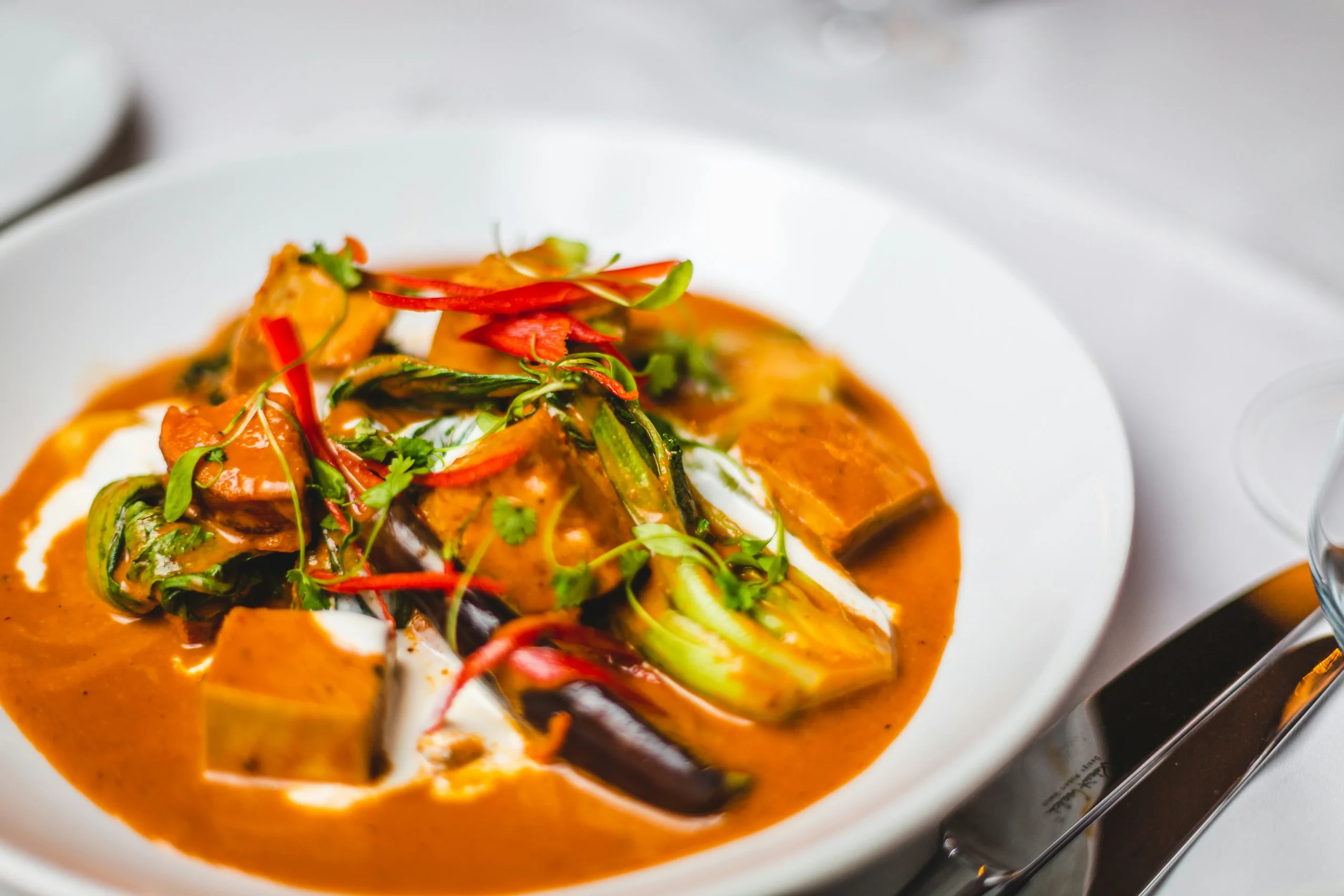
Have you ever wondered why some food photos make your mouth water? The key lies in food photography techniques. This art has become essential for digital marketing in restaurants.
Food photography captures the essence of a dish and tells a unique story. In the digital age, Instagram and Facebook are showcases for chefs and restaurants. Mastering these techniques can make the difference between success and obscurity.
At InGastro Concepts, we know the impact of an appetizing image. We help professionals improve their online presence. We turn each dish into visual art that attracts digital diners.
Food photography captures the essence of food. It transforms dishes into irresistible visual experiences. It's a vital tool in today's culinary lifestyle.
Restaurant photography seeks to evoke emotions through images. Its goal is to create representations that conjure flavors and textures. It goes beyond simply showing the appearance of the dishes.
In the digital age, food photography is crucial for marketing. Attractive images can determine a restaurant's online success. Studies show that 30% of diners choose restaurants based on their photos on social media.
Food photography trends are constantly changing on social media. A successful image can go viral, attracting new customers. The key is to highlight the freshness and quality of the ingredients.
| Appearance | Facts & figures |
|---|---|
| Course Length | 2 hours 17 minutes |
| Lessons | 18 |
| Questionnaires | 7 |
| Average rating | 4.4/5 (144 ratings) |
| Certifications | Worldchefs and ACF |
Many professionals choose specialized courses in food photography . These programs offer training ranging from basic techniques to advanced strategies. They prepare photographers to excel in the world of visual gastronomy.
Food photography requires specific equipment to achieve stunning images. Every element plays a crucial role in composing enticing dishes . From cameras to accessories, everything contributes to creating mouthwatering photos.
A DSLR or mirrorless camera is ideal for capturing the essence of food. These cameras allow full manual control over exposure and focus.
A macro lens is essential for highlighting textures and details. Don't rule out your smartphone if you're just starting out; many offer amazing results in food photography.
A stable tripod is crucial for getting sharp images, especially in close-ups. Diffusers and reflectors are indispensable for controlling lighting in culinary photography.
These accessories help to soften shadows and highlight key details in dishes.
| Accessory | Function | Importance |
|---|---|---|
| Tripod | Stability | High |
| Diffuser | Soften light | High average |
| Reflector | Direct light | High average |
Backgrounds and coverings are key to creating attractive environments. Materials such as wood, stone or fabric add texture and depth to your photos.
Vinyl backdrops offer versatility and ease of use in food photography.
Visual presentation is key in food consulting. A good photograph can increase social media engagement by up to 35%.
To enhance your restaurant's image, InGastro Concepts offers comprehensive solutions . These range from process optimization to the visual presentation of your dishes.
Food photography is key to a restaurant's success on social media. High-quality images can increase sales and improve brand image. They attract more customers and enhance the perception of the business.
For striking photos, set your camera correctly. A low ISO (100-125) ensures less noise and more sharpness. The aperture influences the depth of field.
Low values such as f/1.4 allow the main dish to be isolated and highlighted. This creates an attractive visual focus on the food.
The composition of dishes is essential in food photography. The rule of thirds can increase visual appeal by 25%. Consider these elements to create visually stunning recipes :
Shooting angles can transform the perception of a dish. Creative cocktail photos attract more attention on social media. Try these techniques:
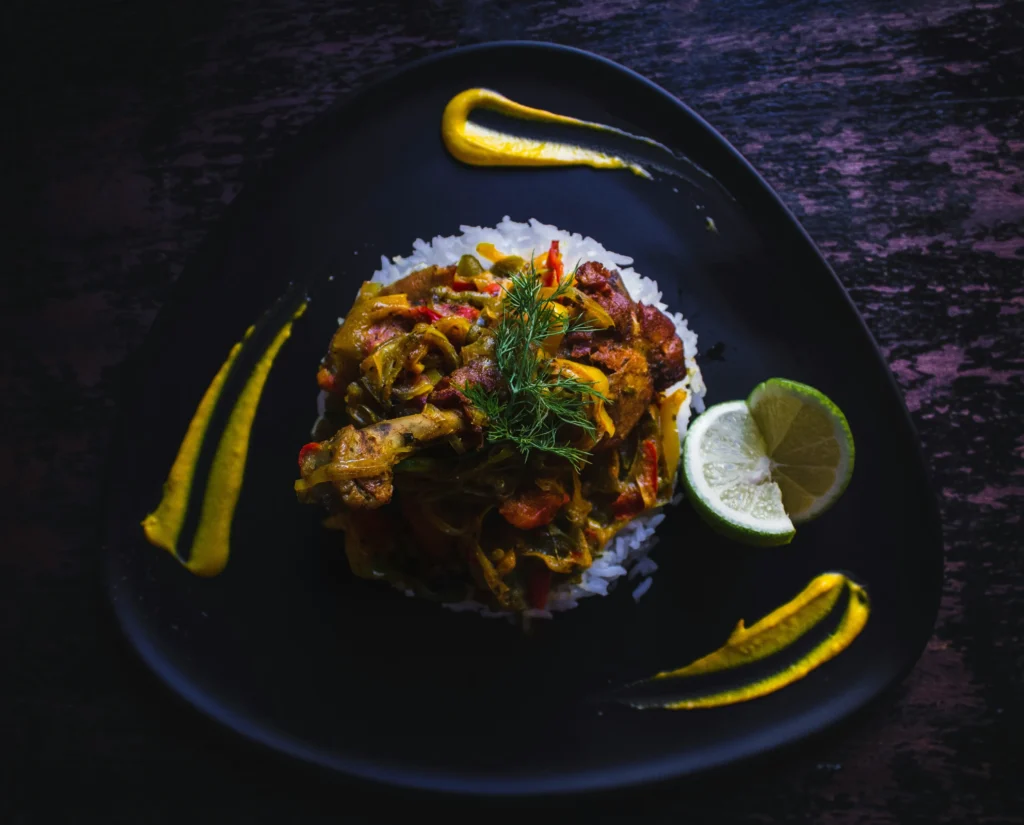
Lighting is crucial in food photography. Natural light improves the appearance of dishes by 40%. These techniques will help you create visually appealing content.
With these strategies, you will highlight your culinary offering and attract more customers. Good photography can make all the difference in the success of your restaurant.
Lighting is key to creating appealing food photos. It highlights textures, colors, and shapes of food. It turns ordinary dishes into visual works of art.
In culinary photography, natural light is the best option. A window with frosted glass acts as a natural softbox. It provides soft, even light, avoiding harsh shadows.
In low natural light, use a tripod. This will maintain sharpness with slower shutter speeds.
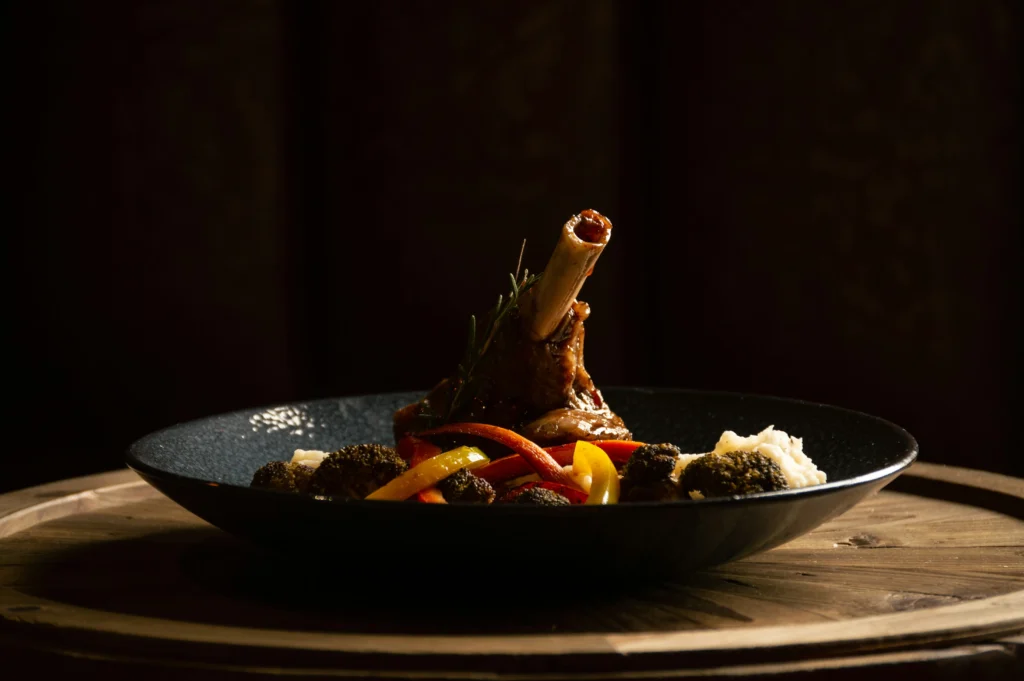
On social media, the 45-degree angle is very appealing. It allows the viewer to imagine themselves enjoying the meal. For flat plates, the overhead view can be effective.
«Lighting is the secret ingredient that transforms a simple food photo into a culinary masterpiece.»
For best results, it is recommended:
Post-editing is crucial. Adjust contrast and saturation to maintain realistic colors. This way, your food photos will shine on social media.
| Element | Recommendation | Our Mill |
|---|---|---|
| Opening | f / 1.4 - f / 2.8 | Shallow depth of field, focus on the main dish |
| ISO | 100 - 125 | Less noise, greater clarity |
| Angle | 45° or zenith | Effective and attractive compositions |
| Format | RAW | Maximum information for later editing |
Editing food photos is vital for standing out on social media. High-quality images generate more views and shares. Post-production is key to the success of your content.
To enhance your dishes without losing their naturalness, focus on these aspects:
Mastering post-production is essential for creating effective social media images. Experts consider it crucial for success.
There are several options to improve your photos:
Adapt your images to each platform to achieve greater impact:
| Social network | Optimal Format | Key Aspect |
|---|---|---|
| 1:1 (square) | Focus on details | |
| 16:9 (horizontal) | Broad context | |
| 2:3 (vertical) | Elongated composition |
By following these trends, you can increase social media engagement by up to 50%. InGastro Concepts offers expert consulting to optimize your digital presence.
With their help, you will get the most out of your culinary creations in the virtual world. Improve your strategy and stand out from the competition.
Food photography has evolved a lot since the 19th century. Today, it is key in the digital marketing of restaurants. With more than a billion users, Instagram is ideal for showcasing food.
Restaurants with quality photos can increase their sales by up to 60%. This highlights the importance of mastering photography in a competitive market. Attractive visual content improves visibility and builds customer loyalty.
It is crucial to follow the latest trends in food photography. InGastro Concepts offers consulting and mentoring for chefs. You can contact them at ingastroconcepts.com, call +1 786 793 82171 or write to info@ingastroconcepts.com.
Food photography is vital on social media. It allows restaurants and chefs to showcase their creations visually. These images can influence consumer decisions.
Attractive photos increase visibility and attract new customers. They also improve a restaurant's online presence.
The basic equipment includes a camera and a tripod. You can use an advanced smartphone or a DSLR/mirrorless camera. Reflectors or diffusers help control the light.
Some props enhance the composition. The most important thing is learning to use the equipment you have effectively.
Use natural light whenever possible. Place the dish near a window. If you use artificial light, opt for soft, diffused lighting.
Use reflectors to fill in shadows. Experiment with different angles of light to highlight textures and colors of the food.
The overhead angle is ideal for flat dishes or those with many elements. The 45-degree angle shows depth and texture. The front angle emphasizes the height of the dishes.
Experiment with different angles depending on the dish. Adapt your approach to the effect you want to achieve.
For mobile editing, try Snapseed, VSCO, or Lightroom Mobile. On desktop, Adobe Lightroom and Photoshop are great options. Avoid over-editing and keep the food looking natural.
Highlight the natural textures and colors of the food. Use props that complement the dish without being distracting. Play with depth of field to focus on key elements.
Make sure the food looks fresh. Arrange the dish nicely before photographing it.
Minimalism in composition is in style. Use backgrounds with natural textures. Capture behind-the-scenes moments in the kitchen.
Incorporate elements that tell a story about the dish. Short videos and GIFs are popular for showcasing food preparation.
Each social network has its own specifications. On Instagram, use square or vertical photos. For Pinterest, vertical images perform best. On Facebook, horizontal images tend to perform well.
Adjust the framing and resolution according to the platform. This will help you get the best results.
Subscribe and receive the latest posts in your email.