Address
We are a Gastronomic Consulting and Mentoring Agency based in the City of Miami, FL. - US
Work hours
Monday to Friday: 7 AM - 7 PM
Saturday: 10AM - 5PM
Address
We are a Gastronomic Consulting and Mentoring Agency based in the City of Miami, FL. - US
Work hours
Monday to Friday: 7 AM - 7 PM
Saturday: 10AM - 5PM
Discover the best Vacuum Cooking Techniques for Restaurants that will revolutionize your business. Learn the professional methods to achieve exceptional results.
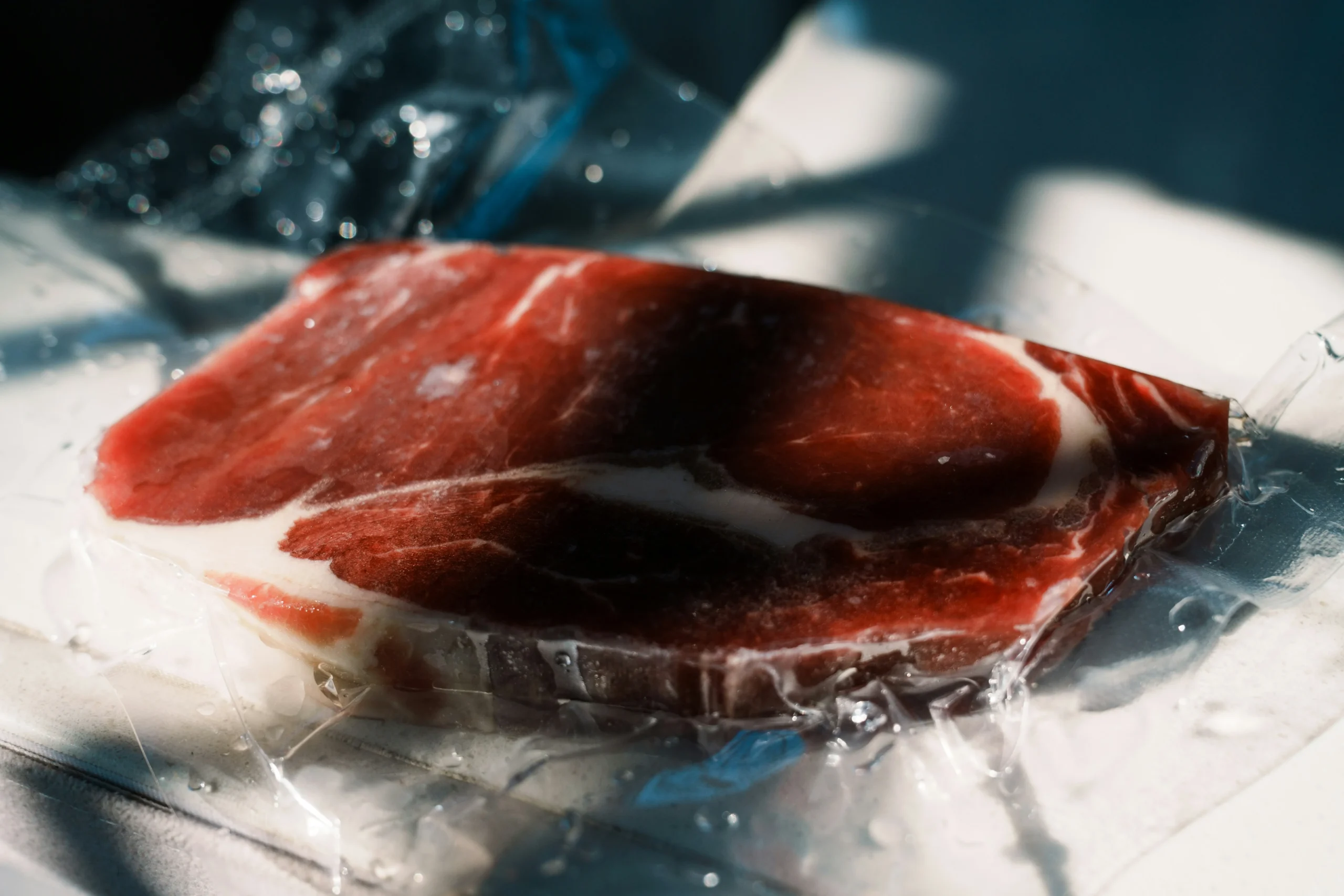
Fine dining restaurants achieve perfect textures thanks to sous-vide cooking. This technique is revolutionizing gastronomy in the United States. Sous-vide cooking transforms the way we prepare food.
Sous vide, which means “under vacuum” in French, fascinates chefs and diners alike. This technique cooks food at precise temperatures in vacuum-sealed bags.
The results are extraordinary in flavor and texture. Sous vide cooking elevates the quality of dishes to a higher level.
InGastro Concepts is leading this trend in gastronomic consulting. They help restaurants implement vacuum cooking in their kitchens.
Its services improve the quality and efficiency of culinary operations. InGastro Concepts transforms the way restaurants cook.
Sous vide cooking has transformed modern gastronomy. This technique cooks food at low temperatures in vacuum-sealed bags. It originated in France in the 70s and is key in gourmet restaurants.
Georges Pralus, a French chef, is the pioneer of sous vide cooking . In 1974, he began experimenting and created more than 600 recipes in six years.
His innovation allowed cooking at precise temperatures for long periods of time, achieving juicy and tender results in food.
The sous vide technique spread rapidly to the United States. Its use in high-end restaurants has increased by 30% in recent years.
It is estimated that more than 60% of chefs in haute cuisine use this technique. They have incorporated it into their culinary repertoire with great success.
Sous vide cooking has changed the way dishes are prepared in gourmet restaurants . It offers precise temperature control, preventing variations that affect texture.
In addition, it retains nearly 90% of the nutrients in food, which is superior to other traditional cooking methods.
| Appearance | Traditional Cuisine | Sous Vide Cooking |
|---|---|---|
| Nutrient retention | Up to 70% | Approximately 90% |
| Temperature control | Variable | I need |
| Operating efficiency | Standard | Up to 20% improvement |
Sous vide cooking has become firmly established in modern gastronomy. It has redefined quality standards in gourmet restaurants . It is an essential technique, not a passing fad.
Sous vide cooking transforms food preparation in restaurants. This method vacuum seals ingredients and cooks them at a low temperature in controlled water.
The process begins by hermetically sealing the food in special bags. These bags can withstand temperatures of up to 75ºC, ensuring their effectiveness during cooking.
The food is then immersed in a preheated water bath. This step is crucial to the success of the method.
The success of vacuum cooking depends on precise temperature control. Professional equipment keeps the water at a constant temperature, with minimal variations of ±0.5ºC.
This precision is essential to achieve optimal and consistent results in every culinary preparation.
| Team | Capacity | Servings (115g) | Precision |
|---|---|---|---|
| SousVide Demi | 9 liters | 12 | ±0.5ºC |
| SousVide Supreme | 11 liters | 20 | ±0.5ºC |
| Home thermocirculators | 15-20 liters | 25-35 | ±1ºC |
Cooking time varies depending on the food and the desired result. This technique achieves unique textures and flavors, better preserving nutrients and vitamins.
Sous vide cooking is usually carried out at temperatures below 90ºC. This helps to maintain the quality and presentation of the dishes.
«Sous vide cooking is an art that combines precision and patience to achieve extraordinary results in the kitchen.» – Joan Roca, El Celler de Can Roca
Vacuum cooking is a growing trend. Many high-end restaurants have adopted it. Chefs value it for its precision and versatility.
Temperature control is key in sous vide cooking. It allows for uniform cooking and avoids risks. Food retains more juices and flavors than with traditional methods.
This technique allows you to experiment with different cuts of meat. JovenCasa offers cuts that are ideal for vacuum cooking. This expands the creative options on menus.
| Our Mill | Percentage |
|---|---|
| Retention of juices and flavors | 50% more |
| Customer satisfaction | 20% increase |
| Savings on ingredient costs | 20% reduction |
| Cuts suitable for vacuum cooking | 90% of the offer |
Vacuum cooking improves quality and optimizes processes. Many chefs claim that it improves presentation and taste. This technique has revolutionized professional cooking.
Innovation in restaurants has brought sous-vide cooking. This technique improves efficiency and promotes healthy and sustainable cuisine. It offers numerous advantages for food establishments.
Vacuum cooking allows you to prepare dishes in advance. This reduces stress at peak times. Cooking times are shorter, especially for foods cooked at temperatures above 57°C.
The result is significant savings in time and energy, improving the restaurant's overall efficiency.
Sous vide ensures consistent results in every dish. Food retains its texture, flavour and aroma better. These aspects are crucial in the food industry.
Consistency is key to customer satisfaction. It also helps maintain the restaurant's good reputation.
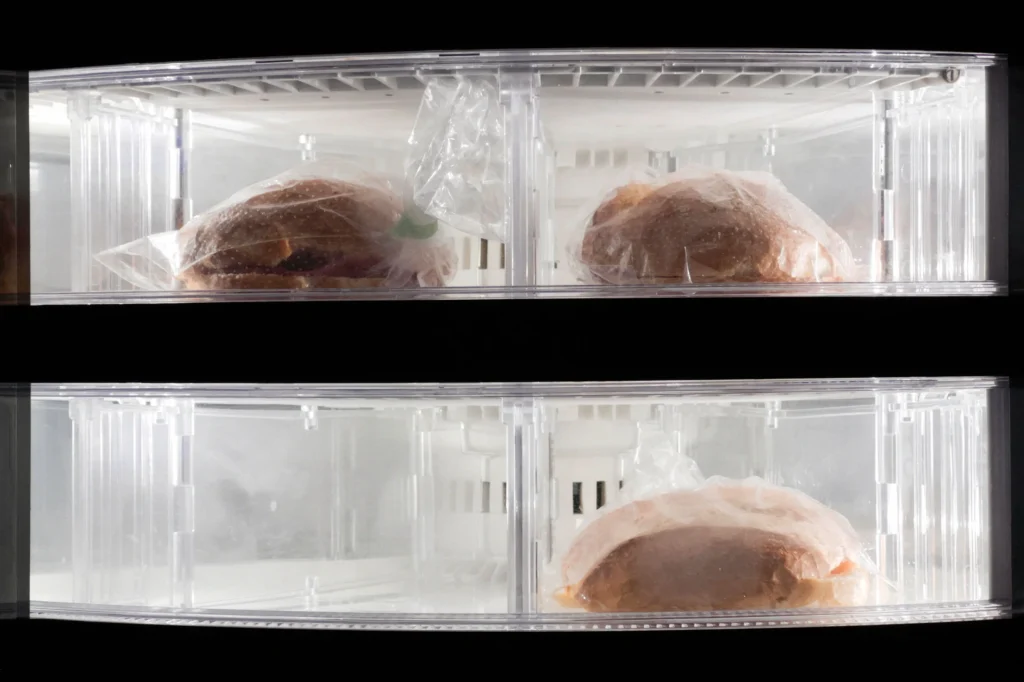
Healthy cooking and sustainability go hand in hand. Vacuum sealing can reduce waste by up to 50%. It also increases the shelf life of products by 30% or more.
This allows for better use of resources. It also helps to manage inventory more efficiently.
" Sous-vide cooking not only improves the quality of our dishes, but has also significantly reduced our operating costs."
| Our Mill | Percentage of improvement |
|---|---|
| Waste reduction | Up to 50% |
| Increased lifespan | 30% or more |
| Reduction in spill complaints | 15 % |
This culinary technology improves the quality of dishes. It also optimizes kitchen processes. The result is a more efficient and sustainable operation.
Sous-vide cooking requires specific equipment for success in restaurants. The immersion circulator is key, maintaining a constant water temperature. Modern models, such as Anova, offer precision with minimal temperature variations.
Vacuum bags are essential. Reusable silicone bags are recommended for a sustainable, cutting-edge kitchen . For short cooking times below 170°F, Ziplock bags are a viable option.
Restaurants can choose from a variety of capacities. There are models from 8,5 to 30 liters for large-volume kitchens. The Sous Vide 12,5L is ideal for establishments looking for flexibility.
The sous vide technique preserves all the nutrients, maximizes the nutritional value and enhances the natural flavors.
There are all-in-one stations like the Typhur Sous Vide Station. They include a circulation tower, container, vacuum sealer and pressure weights. These advanced devices guide the user through more than 40 integrated functions.
| Team | Function | Our Mill |
|---|---|---|
| Thermocirculator | Precise temperature control | Even cooking |
| vacuum bags | Hermetic sealing of food | Preservation of flavors and nutrients |
| Vacuum sealer | Air extraction | Prevents oxidation and contamination |
Sous-vide equipment opens up new culinary frontiers for restaurants. It offers dishes with improved textures and flavours. This technique elevates culinary quality and optimises efficiency in professional kitchens.
Vacuum sealing is key to a healthy and efficient kitchen. This process includes important sealing and preservation steps.
Special bags are used to preserve food without additives. These must withstand high temperatures and maintain freshness. Polyethylene and nylon are the most common materials.
Vacuum packing is vital in this method. Professional machines achieve a vacuum of 99,8%.
For delicate products, the Soft Air option allows for gradual return of air. This prevents damage to fragile foods.
Vacuum sealing extends the shelf life of food. Fresh meat and fish last up to 18 months in the freezer.
Fruits and vegetables maintain their texture and freshness for up to two weeks. This benefits those looking for a healthy diet.
| Food | Freezer shelf life | Shelf life in refrigerator |
|---|---|---|
| fresh meats | 18 months | 1 month |
| Fish | 18 months | 2 weeks |
| Fruits and vegetables | 12 months | 2 weeks |
| hard cheeses | 24 months | 4-8 months |
Vacuum packaging improves food safety by eliminating harmful bacteria. This allows food to be preserved without additives for longer.
Sous-vide cooking has transformed food preparation. This technique allows for precise temperature control. It is essential for food safety and new culinary trends.
Combi ovens with TSC maintain exceptional thermal stability. This is crucial for the success of the dishes. Vacuum cooking controls the temperature with precision of less than one degree Celsius.
This method benefits healthy cooking. Food is cooked at less than 100ºC for long periods. This preserves nutrients and optimizes food safety.
Vacuum cooking allows for a reduction in food waste of up to 20%, making it an attractive option for restaurants concerned with sustainability.
Chefs control portion sizes precisely. They weigh, mark and season food before cooking. This ensures standard quality in production.
This technique increases the shelf life of food. It allows for long-term storage after a single production.
| Appearance | Traditional Cuisine | Vacuum cooking |
|---|---|---|
| Temperature control | Inaccurate | Accurate (<1°C) |
| Juiciness of ingredients | Variable | consistent |
| Nutrient Preservation | Minor | Greater |
| Expiration time | Corto | Dragged on |
Sous vide cooking transforms the preparation of gourmet dishes . This technique offers extraordinary results in flavor, texture, and presentation. Chefs use precise temperature control to create innovative dishes.
This technique surprises diners with unique flavours. It allows chefs to experiment with new combinations. The result is an unforgettable culinary experience.
Sous vide cooking improves the preparation of meat and fish. Proteins retain up to 60% more volume compared to traditional methods. Tissues are broken down evenly, ensuring a tender and juicy texture.
| cooking method | Loss of volume | Texture |
|---|---|---|
| Grill or frying pan | Up to 40% | Variable |
| Under vacuum | Less than 10% | Uniform and tender |
Vegetables cooked sous vide retain their freshness and nutrients. The technique hydrates products at 80°C, maintaining their flavour and texture. Sous vide side dishes offer a unique gastronomic experience.
Sous vide desserts reach new heights in culinary innovation. This technique creates textures and flavors impossible with conventional methods. From smooth creams to infused fruits, sous vide cooking expands creative options.
Sous vide cooking requires specialized equipment for gourmet dishes. Immersion thermostats offer precise temperature control. These devices and reusable silicone bags optimize cooking and reduce waste.
Vacuum cooking revolutionizes gourmet restaurants and sets new trends. This innovative technique is gaining popularity in haute cuisine and in homes. It marks the beginning of an unprecedented gastronomic era.
Renowned chefs like Heston Blumenthal consider it a major advance in culinary technology . Paul Bocuse, Michael Carlson, and Thomas Keller have adopted it. Their creations reach new levels of exquisiteness.
Sous vide cooking allows for precise temperature control. It guarantees consistent results and optimizes flavors. It has revolutionized protein preparation, achieving perfect textures and juiciness.
Other innovative techniques transform the gastronomic scene:
These techniques redefine the culinary experience in gourmet restaurants. They fuse science and art to create unique dishes. They awaken all the senses with innovation and creativity.
| Cooperation | Application | Our Mill |
|---|---|---|
| Vacuum cooking | Precise temperature control | Perfect protein cooking |
| spherification | Creation of liquid “caviar” | Unique sensory experience |
| Molecular foams | Airy textures intense in flavor | Innovative presentation |
| Nitrogen freezing | Instant ice creams and sorbets | Contrasting textures and temperatures |
Innovative culinary techniques have transformed efficiency in professional kitchens. Sous-vide cooking improves time and resource management. This methodology changes the workflow in restaurants.
Sous-vide cooking offers advantages in process optimization. The ATMOVAC SV-EZ and SV-PRO systems allow for the preparation of large quantities of food in advance. This reduces stress during peak hours and improves service planning.
Precise temperature control ensures consistent sous vide results. Adjustments down to 0,1°C make mise en place easy. Chefs can prepare ingredients in advance without compromising quality.
| Córdoba | Capacity | Temperature range | Power |
|---|---|---|---|
| SV-EZ | 25-60 liters | 5-92 ° C | 900 W |
| SV-PRO | Up to 40 liters | 5-95 ° C | 1200 W |
Vacuum cooking improves the flavour and texture of food. This allows for a high-quality final presentation. Chefs can use complementary techniques to achieve visually appealing and tasty dishes.
Vacuum cooking is more energy efficient than traditional methods. It also reduces food waste by optimising processes in the kitchen. This contributes to a more sustainable and profitable operation.
Sous vide cooking techniques have revolutionized the food industry in the United States. Originating in France, this method is now essential for ensuring food safety and improving quality. This innovation allows for precise temperature control and optimizes efficiency in restaurants.
Sous vide cooking offers significant advantages. Food retains up to 20% more nutrients. 70% of chefs in the US already use these techniques to improve flavours and textures.
Temperature control, between 55°C and 70°C, allows cooking for 1 to 48 hours. This achieves consistent, high-quality results in dishes.
The future of sous vide is bright, with annual growth of 12% through 2027. This trend reflects the preference for unique flavors and textures. To stand out, restaurants must embrace this innovative technique.
Sous vide cooking is a technique that cooks food in vacuum-sealed bags. A temperature-controlled water bath is used. This technique achieves uniform cooking and maintains flavors and nutrients.
Benefits include increased efficiency and consistency in dish quality. It also reduces waste and improves production planning. It enables innovative, high-quality dishes to be offered.
Basic equipment includes a thermocirculator to keep the water temperature constant. A vacuum sealer and cooking-safe bags are also needed. Water bath containers are essential.
Sous vide cooking requires precise temperature control to ensure safety. Following recommended time and temperature guidelines is crucial. Strict hygienic practices are necessary to prevent bacterial growth.
The sous vide technique is versatile and can be used on a wide range of foods. It can be used on meats, fish, seafood, vegetables, fruits and desserts. Each food requires specific adjustments in time and temperature.
Sous vide cooking allows for better planning and advance preparation of dishes. It optimizes mise en place and reduces stress during service. It facilitates batch production and improves quality consistency.
Sous vide cooking is associated with avant-garde gastronomy and molecular cuisine. It also involves the fusion of traditional and modern techniques. Its aim is to create unique textures and flavors in haute cuisine.
Sous vide cooking allows for longer preservation without artificial additives. Vacuum sealing and precise cooking maintain freshness. Prepared foods retain their quality for longer.
InGastro Concepts offers Comprehensive Gastronomic Consulting and Gastronomic Mentoring for Chefs. These services include advice on sous vide techniques and equipment selection. They also help to optimize processes in the professional kitchen.
A restaurant can introduce sous vide cooking gradually, starting with a few key dishes. It is used to improve the texture and flavor of meats and fish. It can also be used to create new vegetable and dessert preparations.
Subscribe and receive the latest posts in your email.