Address
We are a Gastronomic Consulting and Mentoring Agency based in the City of Miami, FL. - US
Work hours
Monday to Friday: 7 AM - 7 PM
Saturday: 10AM - 5PM
Address
We are a Gastronomic Consulting and Mentoring Agency based in the City of Miami, FL. - US
Work hours
Monday to Friday: 7 AM - 7 PM
Saturday: 10AM - 5PM
Discover how to improve your restaurant operations with our effective strategies. Comprehensive Gastronomic Consulting in Miami. Contact us! 📞 +1 786 793 8217 | info@ingastroconcepts.com
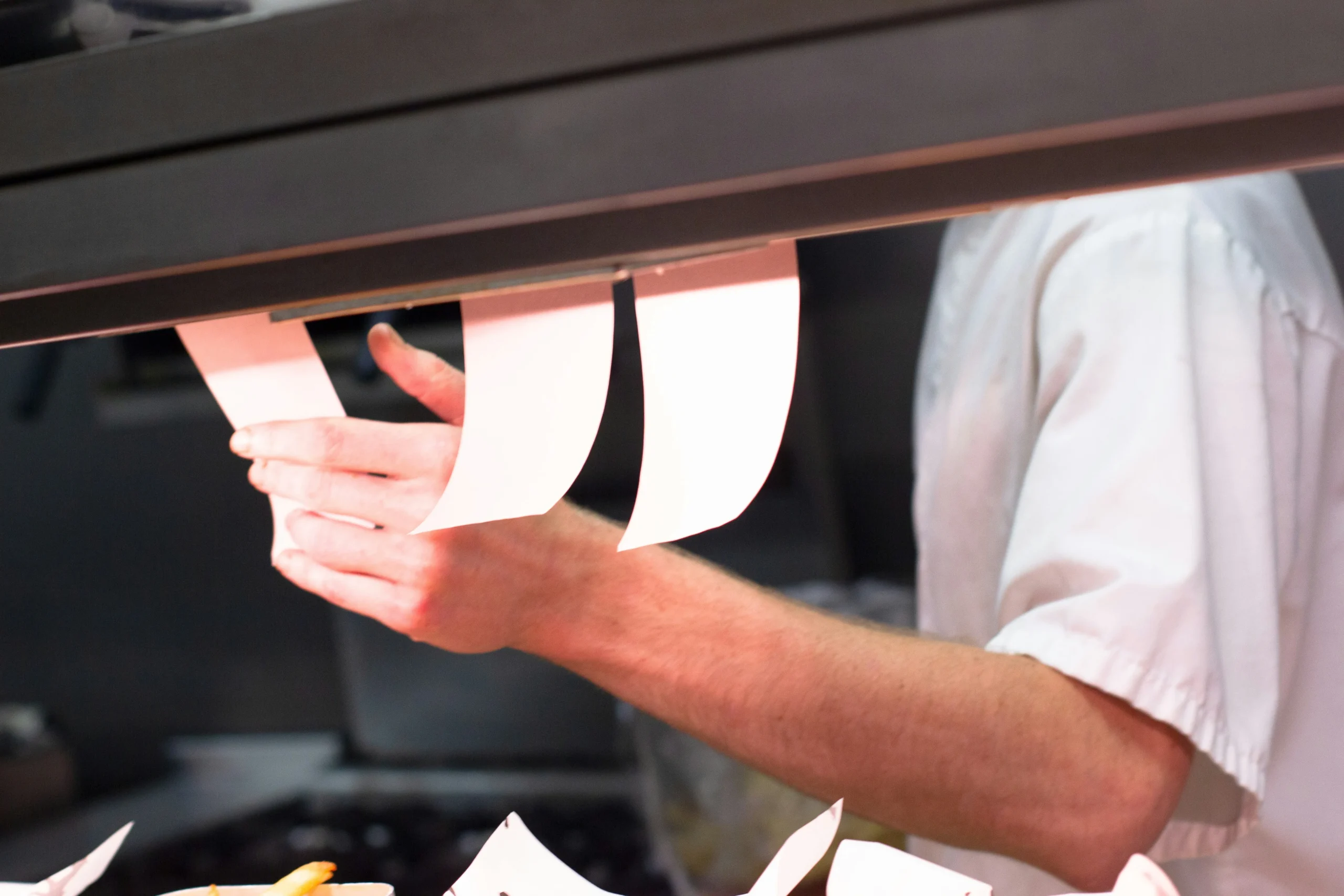
In a competitive environment, restaurants need to adopt effective strategies to optimize their operations and improve the customer experience. Efficient restaurant management involves more than just offering delicious dishes; it's about creating a comprehensive system that encompasses everything from inventory management to cost optimization.
In this article, we'll explore how to implement significant improvements in your restaurant's operations. InGastro Concepts , a renowned Miami-based culinary consultancy, offers expert guidance to help you achieve operational excellence. With over 20 years of experience, their comprehensive approach includes process optimization, staff training, and innovative digital marketing strategies.
The key to success lies in implementing automated systems and providing ongoing team training. By integrating technological tools such as modern POS systems and inventory management software, restaurants can reduce costs and improve efficiency. Furthermore, constant feedback and customer service training are essential to ensuring an exceptional dining experience.
This article will cover everything from detailed cost analysis to the implementation of continuous improvement cycles, offering practical examples and concrete data to help you transform your business. Don't let inefficiencies affect your profit margins; adopt the right strategies to stand out in a highly competitive industry.
In Miami's dynamic culinary scene, restaurants face unique challenges to stand out. Competition is fierce, and increasingly discerning customers seek not just delicious food, but an exceptional experience.
To succeed, restaurants must efficiently manage their service and quality. This includes everything from customer service to process optimization , ensuring that every detail contributes to diner satisfaction.
InGastro Concepts, a Miami-based culinary consultancy, emerges as a strategic partner. With over 20 years of experience, it offers comprehensive consulting and specialized mentorship for chefs, helping them transform operations and elevate culinary excellence.
Their services focus on optimizing processes, improving efficiency, and increasing profitability. Thanks to their data-driven approach and detailed analysis , InGastro Concepts provides customized solutions tailored to the specific needs of each business.
For example, their experience has shown that proper staff training can improve customer satisfaction by 25%. Furthermore, their data analysis helps identify areas for improvement, such as cost reduction through efficient inventory management.
For more information, you can contact InGastro Concepts at their Miami headquarters or visit their website. Their dedication to operational excellence is key to your restaurant not only surviving but thriving in this competitive environment.
To optimize operations, it is essential to evaluate costs and manage inventory efficiently. This involves distinguishing between fixed and variable costs, as well as implementing strategies that reduce expenses without affecting quality.
Fixed costs, such as rent or salaries, remain constant regardless of production. On the other hand, variable costs, such as ingredients or electricity, fluctuate with sales volume.
A clear example is the cost of meat, which can fluctuate with demand, while the rent of the premises remains constant.
A planned purchase based on historical demand analysis can reduce costs. Furthermore, implementing technological tools for inventory control ensures more efficient management.
The following table shows an example of how to establish optimal stock levels:
| Product | Reorder Point | Minimum Stock | Maximum Stock |
|---|---|---|---|
| Premium Meat | 10 units | 5 units | 20 units |
| Chicken | 30 units | 15 units | 60 units |
| Spices | 50 units | 25 units | 100 units |
These levels help to avoid both oversupply and shortages, ensuring a smoother and more profitable operation.
In the food service industry, operational efficiency is key to delivering an exceptional experience. Reviewing and improving each stage of service is essential to maximizing productivity and customer satisfaction.
A well-designed workflow reduces setup times and improves coordination among staff. For example, implementing an operations optimization system can decrease waiting times by 20%. This is achieved by identifying bottlenecks and efficiently assigning tasks.
The design of the workspace is fundamental. A well-organized kitchen facilitates staff movement and speeds up processes. Furthermore, cross-training of the team allows for greater flexibility during peak hours, improving efficiency by 15-25%. This not only reduces preparation times but also enhances the quality of service.
Optimizing internal processes not only improves efficiency but also contributes to a better customer experience. By reducing wait times and improving coordination, restaurants can offer faster and more efficient service.
Digitalization is transforming how restaurants manage their daily operations. Adopting advanced technological solutions not only improves efficiency but also enhances the quality of customer service.
Among the most notable innovations are the modern POS (Point of Sale) systems, which allow for faster and more accurate order and payment processing. These systems reduce human error and speed up service times. In addition, online reservation software allows customers to conveniently choose their preferred times, while digital ordering devices optimize communication between the kitchen and the dining room.
Automating routine tasks, such as inventory management and staff scheduling, frees up time to focus on the customer experience. For example, inventory management systems generate automatic alerts when a product is running low, preventing stockouts. Furthermore, integrating different systems allows for unified management, simplifying processes and improving overall efficiency.
According to recent data, restaurants that implement advanced technology can reduce their operating costs by 15% and improve service speed by 20%. This not only benefits the business but also increases customer satisfaction.
In the food service industry, the use of data and KPIs has become an indispensable tool for guiding strategic decisions. By analyzing key metrics, restaurants can identify areas for improvement and optimize their service.
Key Performance Indicators (KPIs) allow you to evaluate the performance of different aspects of the business. For example, wait times for food delivery or table turnover are metrics that help improve operational efficiency and the customer experience.
Customer feedback is essential for identifying strengths and weaknesses. Satisfaction surveys and benchmarking against competitors allow for strategy adjustments and improved service. Below is an example of how KPIs can influence decision-making:
| Metric | Current Result | Meta | Difference |
|---|---|---|---|
| Wait time | 25 minutes | 20 minutes | -5 minutes |
| Table Rotation | 1.8 times | 2.2 times | + 0.4 |
| Customer Satisfaction | 4.5/5 | 4.8/5 | + 0.3 |
By measuring and comparing these indicators, restaurants can implement specific changes to continuously improve. For example, optimizing inventory management can reduce costs and improve efficiency.
Combining data and customer feedback not only improves service but also increases customer loyalty and business profitability. By making informed decisions, restaurants can quickly adapt to market trends and maintain a competitive edge.
In the food service industry, excellence in customer service is fundamental to success. This begins with clear and effective communication within the team.
Using instant messaging apps like Slack or WhatsApp improves coordination and allows for a quick response to customer needs. In addition, regular meetings ensure everyone is aligned and shares relevant information.
| Tools | Our Mill |
|---|---|
| Slack | Improve internal communication |
| It facilitates real-time coordination | |
| Periodic meetings | Ensures team alignment |
Staff training is key to providing exceptional service. A well-trained team not only improves customer satisfaction but can also increase sales. Discover how the right training can transform your business.
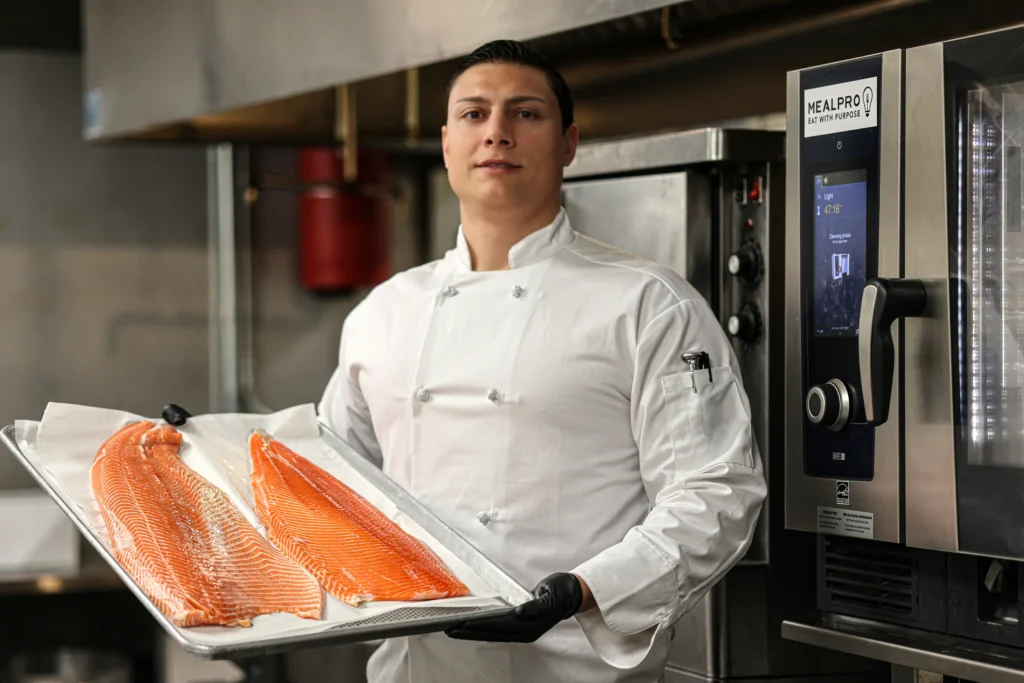
In the competitive culinary world, consulting and mentoring have become essential tools for success. A holistic approach not only improves operational processes but also empowers chefs and managers to meet the challenges of today's market.
Mentoring offers numerous benefits, such as process optimization and improved employee management . A well-structured program can increase efficiency by 25%, reduce costs, and enhance the customer experience. Furthermore, ongoing staff training fosters a more productive and motivated work environment .
With over 20 years of experience, InGastro Concepts has transformed numerous restaurants. One notable example is the implementation of a management system that reduced operating costs by 15% and improved service times by 20%. These results demonstrate how specialized consulting can be tailored to the specific needs of the market.
The combination of mentoring and consulting not only optimizes internal processes but also boosts business profitability. By adapting to market trends , restaurants can offer an exceptional experience and maintain a competitive edge.
The integration of advanced technologies is revolutionizing how restaurants manage their operations. Management software and inventory control systems allow for accurate , real-time tracking , optimizing workflows and reducing errors.
Specialized management software offers tools to monitor inventory in real time, generating alerts when stock levels are low. This prevents stockouts and ensures that orders are fulfilled without interruption. Furthermore, automating tasks such as purchase scheduling reduces operating costs.
Integrating management systems with online ordering platforms improves coordination between the kitchen and dining room. For example, inventory management systems are synchronized with orders, automatically updating stock levels. This not only speeds up the process but also reduces human error.
| Technology | Our Mill | Social Impact |
|---|---|---|
| Management software | Real-Time Inventory Control | Costs reduction |
| Integrated systems | Order Optimization | Greater efficiency |
| Automation | Error Reduction | Improvement in Customer Satisfaction |
Adopting these technologies not only improves operational efficiency but also contributes to a more satisfying customer experience. By reducing wait times and errors, restaurants can offer faster and more accurate service.
Designing an efficient menu is key to reducing food waste and improving profitability. According to recent data, one-third of the food produced globally is lost, representing an economic loss of $940 billion annually. In restaurants, waste can reach up to 10% of prepared food.
One of the most effective strategies is to optimize the use of ingredients. This includes using every part of the food, such as skin and bones, to create broths or sauces. Portion control is also essential. For example, if a dish generates a lot of leftovers, its size could be adjusted or it could be offered in smaller portions.
| Ingredients | Optimal Portions | Waste Reduction |
|---|---|---|
| Chicken | 150g serving | 20 % |
| Rice | 80g per person | 15 % |
| Vegetables | Adjust according to demand | 25 % |
These adjustments not only reduce waste, but also improve operational efficiency.
Menu engineering is a powerful tool. It involves analyzing the popularity and profitability of each dish to highlight those with the highest profit margins. For example, implementing menu engineering techniques can increase revenue by 15%.
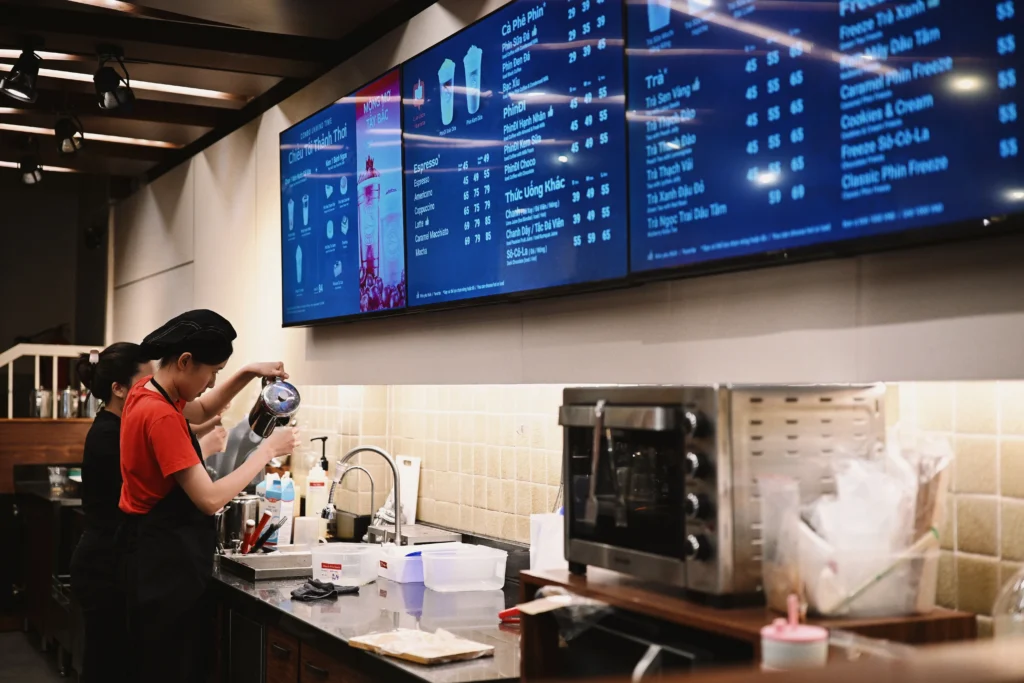
Furthermore, creating a cyclical menu that changes with the seasons allows for the use of fresh ingredients and reduces waste. This not only attracts more environmentally conscious customers but also improves the business's sustainability.
In a constantly evolving environment, continuous improvement has become a fundamental pillar for the success of any organization. This approach not only drives efficiency but also strengthens organizational culture, motivating each team member to actively contribute.
The PDCA cycle (Plan, Do, Check, Act) is a proven methodology for implementing continuous improvement. This tool allows you to identify areas for improvement, set clear goals, and measure results. For example, in restaurants, PDCA can optimize service times or reduce costs by identifying inefficiencies.
Training is key to maintaining a motivated and efficient team. Ongoing training programs not only improve staff skills but also foster a collaborative environment. According to data from InGastro Concepts , cross-training can increase productivity by 25%.
| Our Mill | Social Impact | Result |
|---|---|---|
| Continuous Improvement | Increased Efficiency | Costs reduction |
| Training | Fostering Collaboration | Productivity increase |
| Organizational culture | Strengthening the Commitment | Increased Customer Satisfaction |
Combining these solutions not only improves processes but also increases profitability and overall customer satisfaction. By adopting a continuous improvement approach, restaurants can quickly adapt to market trends, ensuring exceptional service.
In a constantly evolving culinary landscape, restaurants that have embraced current trends are achieving significant transformations. InGastro Concepts, with its comprehensive approach, has helped numerous establishments elevate their quality and customer experience, setting them apart in the market.
A prime example is the restaurant "El Sabor de Miami," which reduced its operating costs by 30% after implementing InGastro Concepts' strategies. This improvement not only optimized its processes but also enhanced the customer experience, increasing satisfaction by 25%.
Another notable example is "La Cocina Gourmet," which increased its revenue by 20% thanks to menu optimization and the implementation of upselling techniques. These techniques not only improved service quality but also boosted customer loyalty.
| Restaurant | Result | Social Impact |
|---|---|---|
| The Taste of Miami | Cost reduction: 30% | Improved operational efficiency |
| Gourmet Cuisine | Revenue increase: 20% | Increased customer loyalty |
If you want your restaurant to become one of these success stories, don't hesitate to contact InGastro Concepts. Request a personalized consultation and discover how you can transform your business, improving both the quality and the experience you offer.
In a constantly evolving culinary landscape, implementing effective strategies is key to the success of any restaurant. Throughout this article, we've explored various ways to optimize processes, from inventory management to the integration of advanced technologies. These actions not only improve operational efficiency but also enhance the customer experience.
The systematic implementation of these strategies is essential for achieving lasting results. A well-designed system not only reduces costs but also improves customer satisfaction. For example, adopting technological tools such as modern POS systems can optimize inventory tracking and expedite payments.
Restaurant owners should evaluate their current processes and consider innovative solutions. Implementing dynamic pricing strategies can be a powerful tool for maximizing revenue, especially in tourist areas.
For those looking to transform their business, InGastro Concepts offers professional and personalized consulting. With years of experience, their comprehensive approach guarantees not only operational improvements but also an exceptional dining experience.
Analyzing your fixed and variable costs is key. Optimize your purchasing plan and reduce food waste. Efficient inventory management will also help you save.
POS systems, reservation software, and digital ordering devices are excellent. Automation streamlines processes and improves the accuracy of orders and billing.
Train your team in customer service and use feedback tools. A well-designed menu and clear communication also contribute to a better experience.
Review your KPIs such as sales, costs, and customer satisfaction. This data provides a clear view to optimize your strategies.
Review the workflow and assign clear roles. An efficient layout reduces time and improves productivity in the kitchen and service area.
Automation reduces errors, speeds up processes, and allows for better inventory and order control. This increases overall efficiency.
Optimize ingredient usage and control portions. A well-planned menu also helps minimize waste.
Train them in customer service and the use of technological systems. Ongoing training improves efficiency and service quality.
Implement inventory management and control software. System integration optimizes orders and streamlines daily operations.
Use data analytics tools to monitor sales and customer preferences. This will help you adapt your menu and strategies to current trends.
Implement communication tools and encourage regular meetings. Clear communication improves coordination and customer service.
Identify your needs, select the right software, and train your team. Phased implementation ensures a smooth transition.
Use surveys, online feedback, and comment analysis. This gives you a clear view of areas for improvement.
Optimize workflow, assign clear roles, and use technological tools to streamline processes in the kitchen.
Set clear standards, train your team, and constantly monitor the quality of ingredients and preparation.
Specialized inventory management software allows you to track stock in real time and avoid overages or shortages.
Automate processes, optimize workflow, and train your team. This reduces time and improves productivity.
It offers ongoing training, recognizes achievements, and fosters a collaborative work environment. This improves morale and efficiency.
Monitor customer preferences and adjust your menu and strategies according to current trends. Flexibility is key to staying competitive.
A well-designed menu attracts more customers, reduces costs, and minimizes waste. It also improves the customer experience.
Optimize kitchen workflow, assign clear roles, and use technological tools to streamline orders and preparation.
Management software and POS systems allow you to track your sales in real time and identify your most popular products.
Adjust your menu to current trends, improve the customer experience, and use digital marketing tools to attract more customers.
Optimize your purchasing plan, reduce waste, and improve process efficiency. Efficient inventory management also helps.
Use inventory management software and perform regular counts. This prevents overstocking and shortages, ensuring you have what you need.
Train your team in customer service, improve internal communication, and constantly monitor customer feedback.
Optimize kitchen workflow, assign clear roles, and use technological tools to streamline preparation and reduce time.
Management software and planning tools help you organize your tasks and optimize your team's time.
Improve communication, assign clear roles, and offer ongoing training. A positive work environment reduces stress and improves efficiency.
Improve your menu, offer promotions, and use digital marketing. Customer feedback will also help you adapt to their preferences.
Control your costs, optimize your processes, and improve the customer experience. Efficient inventory management and team training are also key.
Use efficient equipment and optimize energy consumption. This reduces costs and contributes to environmental protection.
Optimize kitchen workflow, assign clear roles, and use technological tools to streamline preparation and delivery processes.
Implement feedback systems, improve communication, and offer an appealing menu. Team training is also essential.
Work with reliable suppliers and monitor the quality of ingredients. Training your team in food handling is also key.
Optimize time management, train your team, and improve process efficiency. This reduces the need to hire more staff.
Improve communication, assign clear roles, and use technological tools to streamline orders and preparation.
Financial management software and accounting systems allow you to track your expenses and identify areas for improvement.
Improve internal communication, assign clear roles, and use technological tools to streamline customer service processes.
Establish a cleaning schedule, train your team, and ensure that all spaces are always clean and organized.
Analyze market trends, optimize the use of ingredients, and offer dishes that are both popular and profitable.
Personnel management software and planning tools help you organize shifts and optimize your team's performance.
Optimize ingredient usage, control portions, and improve efficiency in preparation and service processes.
Improve customer service, offer an attractive menu, and constantly monitor customer feedback to make continuous improvements.
Set clear standards, train your team, and constantly monitor the quality of the dishes and service.
Sales management software and POS systems allow you to track your sales in real time and identify your most popular products.
Use digital and social marketing strategies, and leverage customer feedback to attract more customers without overspending.
Offer ongoing training, create a positive work environment, and recognize your team's achievements. This improves morale and efficiency.
Reduce waste, use local ingredients, and optimize energy consumption. This not only helps the environment but also attracts environmentally conscious customers.
Implement order management systems and use digital ordering devices to streamline processes and reduce errors.
Optimize workflow, assign clear roles, and use technological tools to streamline preparation and service processes.
It offers excellent service, implements loyalty programs, and monitors feedback to make continuous improvements.
Offer vegetarian, vegan, and gluten-free options. Make sure your team is trained to cater to these needs.
Online booking software and management systems allow you to better organize schedules and reduce waiting times for customers.
Use efficient equipment, optimize energy consumption, and consider implementing renewable energy sources.
Train your team, improve internal communication, and constantly monitor customer feedback to make continuous improvements.
Make sure your premises comply with accessibility standards and offer menus in formats accessible to people with disabilities.
Purchasing management software and tracking systems allow you to maintain a more efficient relationship with your suppliers.
Train your team, optimize workflow, and use technological tools to streamline processes during peak times.
Improve the service, offer a pleasant atmosphere, and ensure that the quality of the dishes and the service are excellent.
Create a unique concept, offer an innovative menu, and make sure your decor and service reflect your restaurant's personality.
Financial management software and accounting systems allow you to track your income and expenses, ensuring total control of your finances.
Perform preventative maintenance, use durable equipment, and optimize resource consumption to reduce long-term costs.
Offer ongoing training, create a positive work environment, and recognize your team's achievements to improve morale and efficiency.
Train your team on safety protocols, maintain a clean environment, and ensure that all equipment complies with safety standards.
Scheduling software and planning tools help you organize shifts and optimize your team's time.
Use digital and social marketing strategies, and leverage customer feedback to attract more customers without overspending.
Analyze market trends, optimize the use of ingredients, and offer dishes that are both popular and profitable.
Reduce waste, use local ingredients, and optimize energy consumption. This not only helps the environment but also attracts environmentally conscious customers.
Implement order management systems and use delivery apps to streamline processes and reduce errors.
Optimize workflow, assign clear roles, and use technological tools to streamline preparation processes.
It offers excellent service, implements loyalty programs, and monitors feedback to make continuous improvements.
Offer healthy options, use fresh ingredients, and make sure your dishes are both nutritious and delicious.
Online booking software and event management systems allow you to better organize schedules and reduce waiting times for customers.
Establish a cleaning schedule, use efficient products, and train your team to maintain a clean and organized environment.
Train your team, improve internal communication, and constantly monitor customer feedback to make continuous improvements.
Create a unique concept, offer an innovative menu, and make sure your decor and service reflect your restaurant's personality.
Purchasing management software and tracking systems allow you to maintain a more efficient relationship with your suppliers and optimize your purchases.
Improve communication, assign clear roles, and offer ongoing training. A positive work environment reduces stress and improves efficiency.
Offer menus in different languages, train your team in multilingual service, and ensure your service is culturally sensitive.
Train your team on hygiene protocols, maintain a clean environment, and ensure that all food is handled safely.
Financial management software and accounting systems allow you to track your income and expenses, ensuring total control of your finances.
Perform preventative maintenance, use durable equipment, and optimize resource consumption to reduce long-term costs.
Offer ongoing training, create a positive work environment, and recognize your team's achievements to improve morale and efficiency.
Make sure your premises comply with accessibility standards and offer menus in formats accessible to people with disabilities.
Scheduling software and planning tools help you organize shifts and optimize your team's time.
Use digital and social marketing strategies, and leverage customer feedback to attract more customers without overspending.
Analyze market trends, optimize the use of ingredients, and offer dishes that are both popular and profitable.
Reduce waste, use local ingredients, and optimize energy consumption. This not only helps the environment but also attracts environmentally conscious customers.
Implement order management systems and use delivery apps to streamline processes and reduce errors.
Optimize workflow, assign clear roles, and use technological tools to streamline preparation and service processes.
It offers excellent service, implements loyalty programs, and monitors feedback to make continuous improvements.
Offer healthy options, use fresh ingredients, and make sure your dishes are both nutritious and delicious.
Online booking software and event management systems allow you to better organize schedules and reduce waiting times for customers.
Establish a cleaning schedule, use efficient products, and train your team to maintain a clean and organized environment.
Train your team, improve internal communication, and constantly monitor customer feedback to make continuous improvements.
Create a unique concept, offer an innovative menu, and make sure your decor and service reflect your restaurant's personality.
Purchasing management software and tracking systems allow you to maintain a more efficient relationship with your suppliers and optimize your purchases.
Improve communication, assign clear roles, and offer ongoing training. A positive work environment reduces stress and improves efficiency.
Offer menus in different languages, train your team in multilingual service, and ensure your service is culturally sensitive.
Train your team on hygiene protocols, maintain a clean environment, and ensure that all food is handled safely.
Financial management software and accounting systems allow you to track your income and expenses, ensuring total control of your finances.
Perform preventative maintenance, use durable equipment, and optimize resource consumption to reduce long-term costs.
Offer ongoing training, create a positive work environment, and recognize your team's achievements to improve morale and efficiency.
Make sure your establishment complies with accessibility standards and offer menus in [format/format/optional]
Subscribe and receive the latest posts in your email.