Address
We are a Gastronomic Consulting and Mentoring Agency based in the City of Miami, FL. - US
Work hours
Monday to Friday: 7 AM - 7 PM
Saturday: 10AM - 5PM
Address
We are a Gastronomic Consulting and Mentoring Agency based in the City of Miami, FL. - US
Work hours
Monday to Friday: 7 AM - 7 PM
Saturday: 10AM - 5PM
Discover what rice is and how many varieties there are in this comprehensive article. Learn about the different types, their characteristics, and uses in international cuisine. Learn how to choose the perfect one.
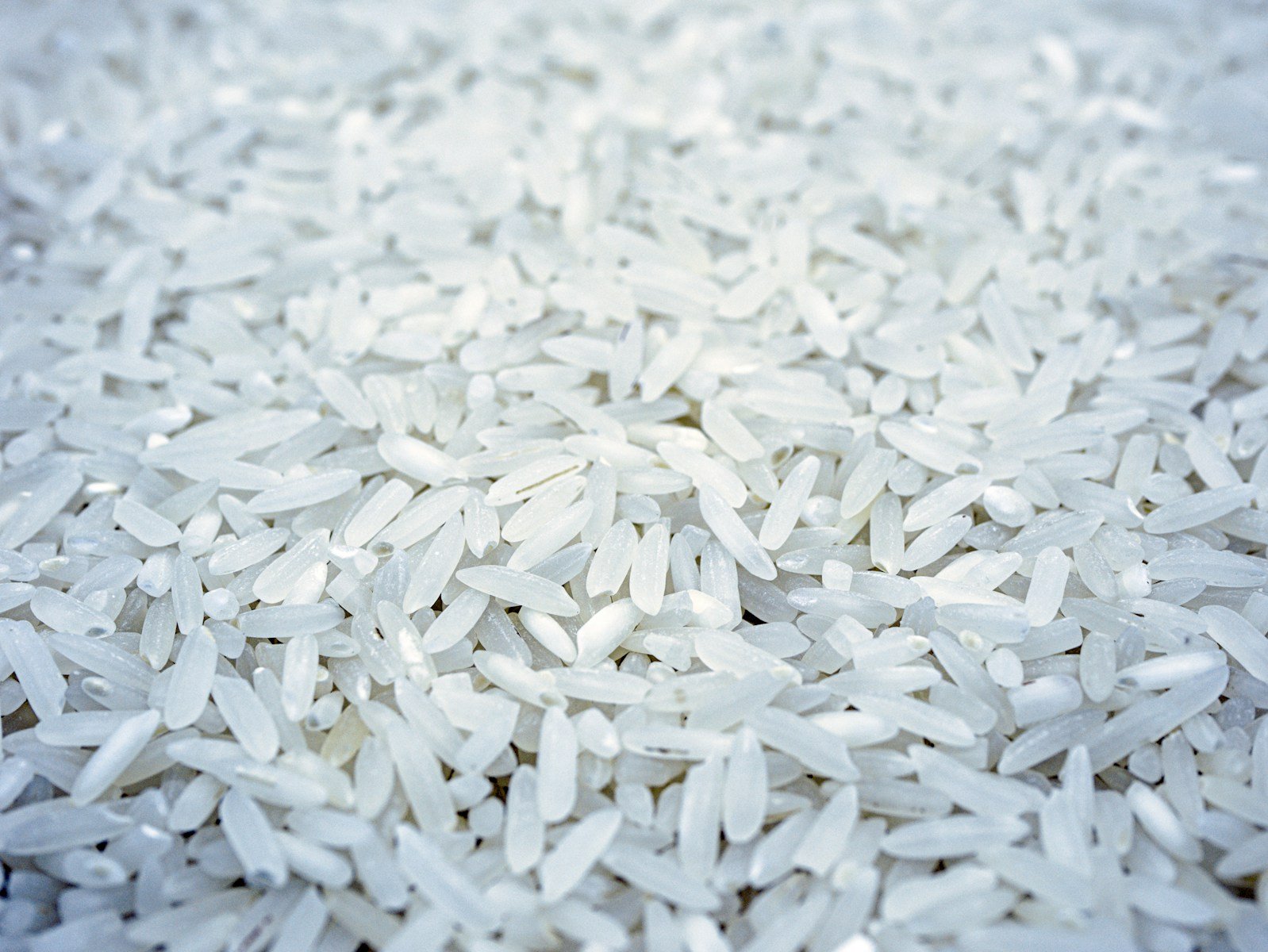
Rice is more than just a food. This versatile grain is a key part of our meals. There are white rice, basmati rice, and glutinous rice, each with its own history and use.
Rice varieties vary in shape, texture, and use. There's long-grain rice for side dishes and short-grain rice for sushi. Arborio rice is key in Italian risottos, and bomba rice is perfect for Spanish paellas.
Rice has a history of almost 10.000 years in tropical and subtropical Asia. It has been a key part of human nutrition. Today, more than half of the world's people eat it.
Rice cultivation began in humid areas of Asia. The Oryza sativa species is the most important economically. It is cultivated in tropical and temperate climates.
Genetic studies have found three subspecies of Oryza sativa: Indica, Japonica and Javanica.
Rice has spread throughout the world. It is now the second most produced cereal, with 741,5 million tons per year. China is the leading producer, followed by India.
This expansion has created many varieties adapted to different climates.
Rice has been vital in many cultures. In Spain and Italy, for example, it was successfully introduced during the Arab influences. In countries like Asia, it is essential to the diet. This has led to the creation of famous dishes in many cuisines. For example, Spanish paella, Italian risotto, Japanese sushi, and many others.
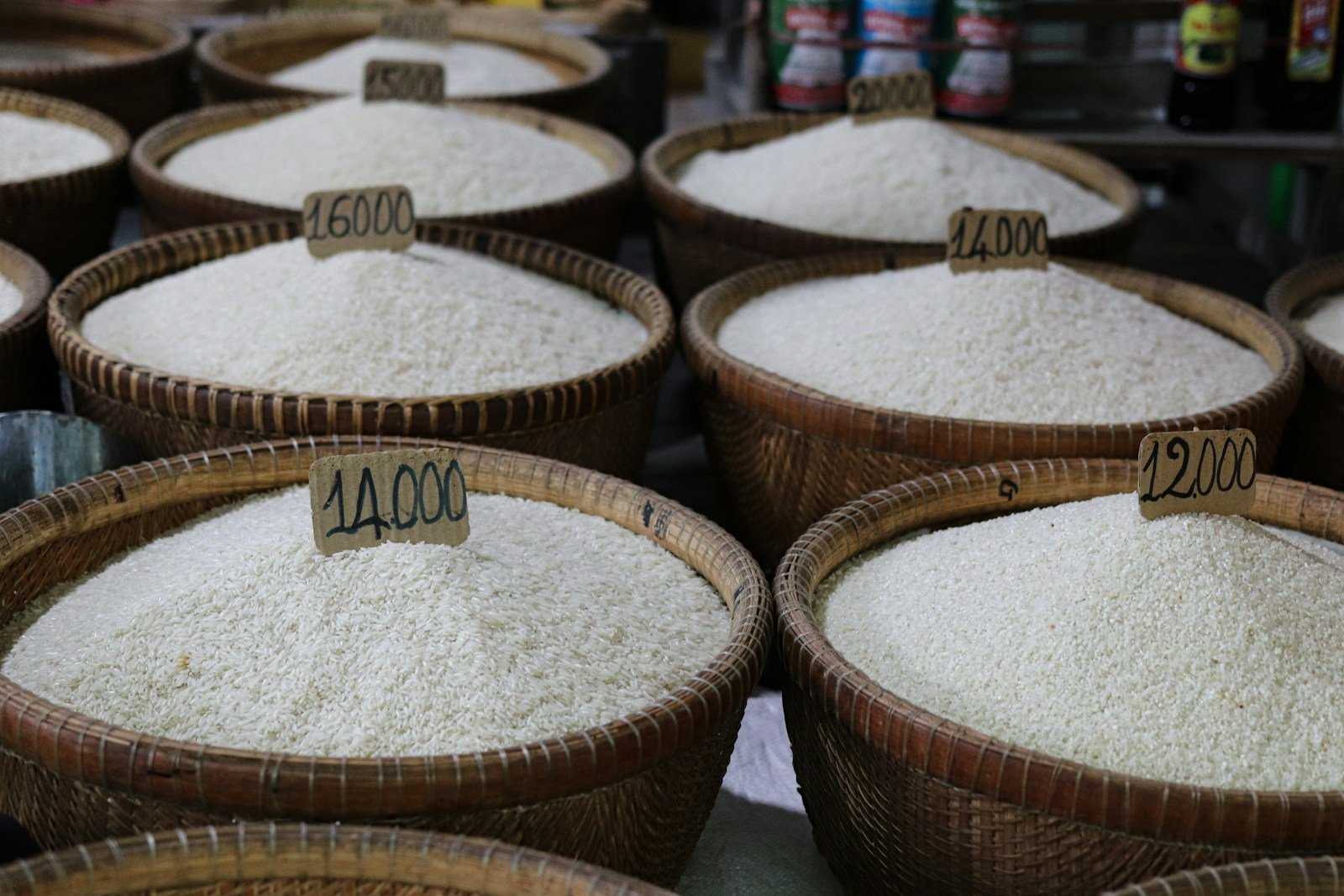
Rice is an edible seed from the Oryza sativa plant. It is a staple food in many diets. There are around 10,000 varieties, divided into two subspecies: indica and japonica.
Each variety has unique properties. Brown rice, for example, is more nutritious than white rice.
Rice is the second most cultivated cereal, but it's also the most consumed. Its versatility and nutritional value make it essential in many kitchens.
The rice plant is fascinating because of its adaptability and unique structure. This cereal is cultivated all over the world where water sources are plentiful.
The rice plant has roots, stems, leaves, and a panicle. The roots take in nutrients. The stems support the plant. The leaves photosynthesize. The panicle bears the grains.
This structure allows it to grow in different climates.
Rice cultivation requires specific conditions:
Rice growth is divided into three phases:
The complete cycle lasts between 3 and 6 months. This depends on the variety and the environment. During this time, the rice plant undergoes significant changes. Finally, it is harvested when the grains are mature.
The world of rice is vast and diverse. The Rice Association in the UK has identified over 40,000 varieties. Among the best known are basmati, jasmine, arborio, bomba, and carnaroli rice. Each has unique characteristics that lend themselves to different dishes.
The diversity of rice allows cooks to experiment with textures and flavours. Each variety adds something special to the cuisine, enriching global gastronomy.
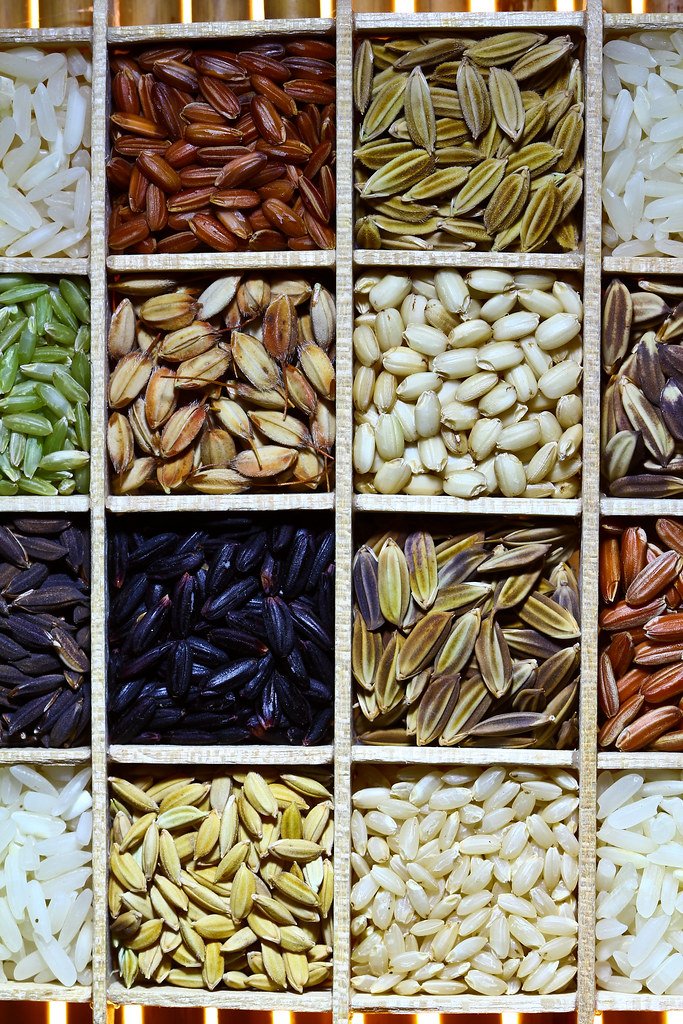
Rice is a key food for half of humanity. It has been cultivated for over 6000 years. It offers a perfect mix of essential nutrients for our diet.
The nutrients in rice vary depending on the variety and how it is processed. Brown rice, for example, has more fiber and vitamins. An 80-gram serving provides:
One hundred grams of uncooked brown rice provides 370 calories, 3,5 grams of fiber, and 7,9 grams of protein.
Rice has many benefits. White rice is good for diarrhea or gastroenteritis because it is easy to digest. Brown rice, richer, provides more fiber, vitamins and minerals.
Rice is a key ingredient in cuisines around the world. Its versatility makes it the basis of famous dishes. These dishes showcase the cultural richness of each region.
The way to cook rice depends on the type and the dish. Short grain rice cooks in 14-16 minutes. Brown rice, on the other hand, needs 40 minutes.
International cuisine has many famous rice dishes:
Storing rice correctly is essential to maintaining its quality. This depends on several factors, such as the type of rice and environmental conditions.
To store rice optimally, it is crucial to keep it cool and dry. The ideal temperature is between 0 and 4 degrees Celsius. Galvanized metal silos are a good option due to their versatility and low cost.
The shelf life of rice varies depending on the type. White rice lasts longer than brown rice. Cooked white rice, if stored in an airtight container in the refrigerator, can last 3 to 4 days. It is important to discard refrigerated rice after 4 days to avoid the risk of bacterial contamination.
Rice is the second most consumed cereal in the world. It is found in more than 110 countries. Its versatility and adaptability to different climates and soils are key.
The future of rice is promising thanks to innovations in cultivation and production. Responsible consumption is on the rise. This is reflected in the popularity of black and red rice, which are rich in antioxidants.
Evolving consumer preferences drive research into new varieties. This ensures that rice remains relevant.
In short, rice is more than just a staple food. It is an important cultural and economic element. Its ability to adapt to different cooking techniques and its role in global food security are fundamental.
The challenge ahead is to balance production with sustainability. Promoting responsible consumption is key to ensuring availability for future generations.
Subscribe and receive the latest posts in your email.












[…] along with other ingredients are key to the presentation and enjoyment of sushi. Explore our Rice Glossary and its varieties and discover this essential ingredient in several […]
[…] Gastronomic Glossary of Rice and its Varieties: A Complete Guide […]
[…] Gastronomic Glossary of Rice and its Varieties: A Complete Guide […]