Address
We are a Gastronomic Consulting and Mentoring Agency based in the City of Miami, FL. - US
Work hours
Monday to Friday: 7 AM - 7 PM
Saturday: 10AM - 5PM
Address
We are a Gastronomic Consulting and Mentoring Agency based in the City of Miami, FL. - US
Work hours
Monday to Friday: 7 AM - 7 PM
Saturday: 10AM - 5PM
Master seafood cost management in Miami coastal restaurants to increase your profitability.
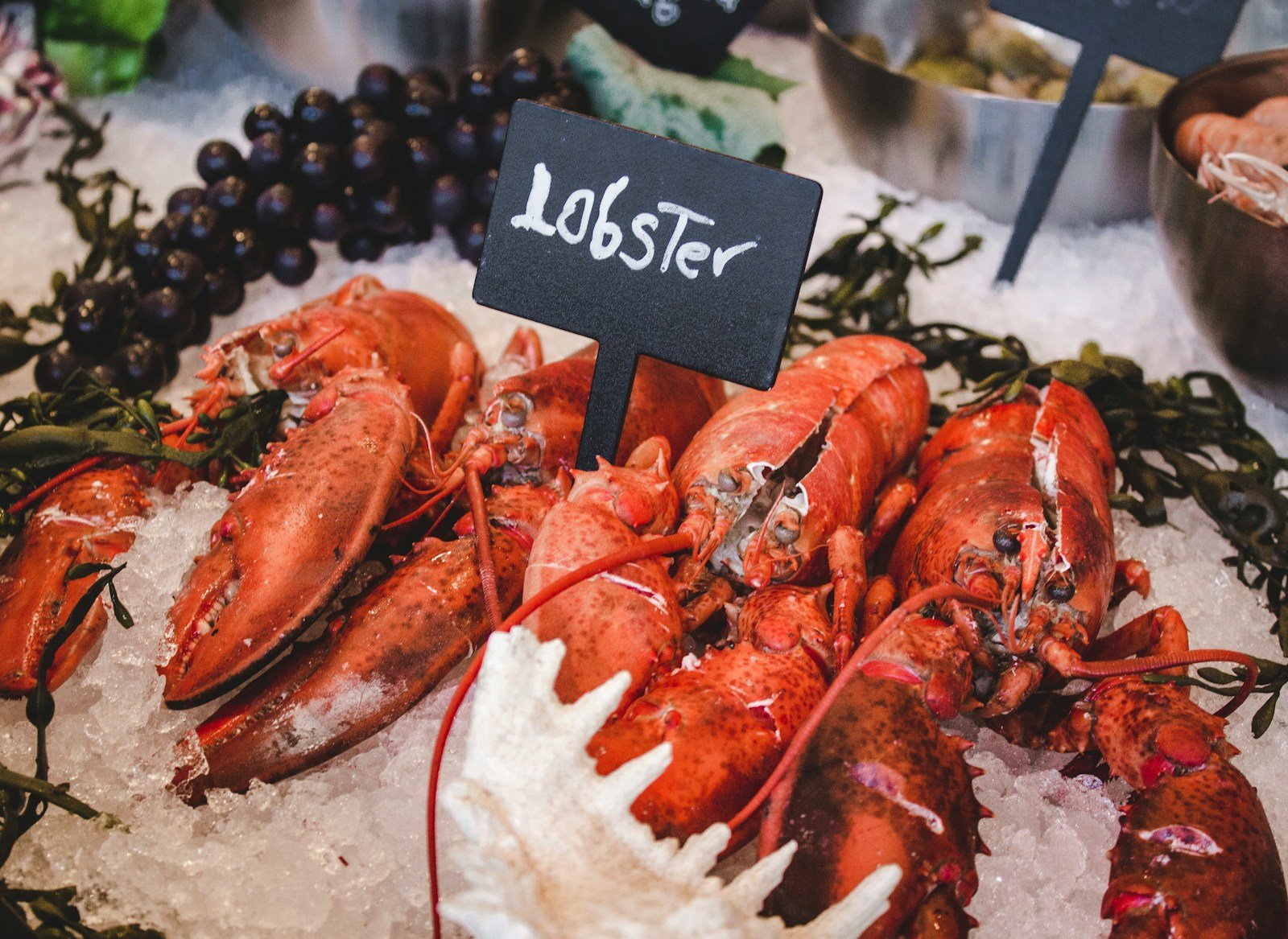
Red Lobster offers a wide variety of fresh seafood daily. The chefs prepare these dishes with care. This demonstrates the importance of managing seafood costs effectively in Miami to maintain quality and low prices.
Managing seafood costs is key to success in the food industry. Controlling these costs can significantly improve a business's profitability.
Understanding seafood costs is essential for success. Competition and ingredient prices fluctuate significantly. Therefore, it's vital to have a strategy for controlling costs and maintaining profitability.
Seafood cost management is key for restaurants in Miami. It can significantly impact profitability. Optimizing seafood costs helps maintain a competitive edge.
Understanding how costs affect profitability is essential. This allows restaurants to make better decisions about purchasing ingredients, scheduling orders, and managing inventory.
The Miami market is highly competitive. Restaurants must be innovative and efficient in their cost management. Seafood cost management strategies in Miami help reduce costs and improve the profitability of seafood restaurants in Miami.
By implementing these strategies, restaurants in Miami can improve their seafood cost management, thereby increasing their profitability. Optimizing seafood costs is vital for success in this competitive market.
The seafood market in Miami is dynamic and constantly changing. Optimizing restaurant expenses is key to staying competitive. Restaurants must adapt to price fluctuations, competition, and the influx of tourists.
The challenges for seafood restaurants in Miami are numerous:
To overcome these challenges, restaurants must carefully analyze seafood costs. They must develop strategies to control expenses and remain competitive. In this way, their business can be sustainable and successful in the long term.
In conclusion, Miami presents unique challenges for the seafood market. Restaurants must be flexible and adjust their cost strategies to maintain their competitiveness and ensure business success.
| Challenge | Cost management strategy |
|---|---|
| Seasonal price fluctuations | Adjust menu prices according to the season |
| Local and international competition | To offer unique, high-quality products and services |
| Impact of tourism on demand | Adjust the supply of products and services according to tourist demand |
Understanding the seafood market is key. Restaurants near the sea can earn more thanks to fresh supplies. They also attract tourists. Therefore, reducing food costs is vital to remaining competitive.
Using cost management software helps restaurants save money. Reviewing purchases and optimizing menus are effective strategies. This minimizes waste and improves customer value. Owners can expect to gain between 5% and 10% of gross revenue.
Some important facts about the seafood market are:
* Seafood restaurant owners earn between $60,000 and $120,000 a year.
* In 2022, seafood restaurants near the sea increased their revenue by 12% compared to those inland.
* The high season can cause these restaurants' revenues to grow significantly.
For seafood restaurants, managing costs effectively is essential. Establishing relationships with local suppliers is key to ensuring quality and freshness. Scheduling orders and negotiating wholesale prices also helps reduce costs.
Some advantages of these strategies are:
Restaurant cost consulting offers expert advice. Using Miami seafood costing tools helps monitor and control costs efficiently.
In conclusion, purchasing strategies are key to the success of seafood restaurants. Establishing strong relationships with suppliers, optimizing orders, and negotiating wholesale prices reduce costs. This improves efficiency and increases profitability.
In Miami, managing seafood costs effectively is key to competing and making a profit. Seafood prices can rise 10-20% during peak season. Controlling seafood costs in Miami helps avoid losses and maintain profitability.
A cost analysis of seafood restaurants shows that coastal restaurants in Miami see a 25-30% increase in demand on weekends. It is vital to consider this data to adjust prices and increase profits.
To better manage seafood costs, the following strategies can be followed:
With these strategies, coastal restaurants in Miami can improve their profits. This allows them to offer a quality dining experience at fair prices.
| Seaside Restaurants | Average Price of Seafood | Increased Demand |
|---|---|---|
| Waterfront restaurants | $ 20- $ 30 | 25-30% |
| Restaurants in indoor areas | $ 15- $ 25 | 10-15% |
Cost management in the Miami seafood business is key. A comprehensive approach is needed, including inventory optimization. This helps reduce waste and costs. Tracking software and stock rotation methods can be used to achieve this.
Some ways to improve inventory management are:
Optimizing seafood costs is essential for the success of seafood restaurants in Miami. By using these strategies, restaurants can improve their profitability and offer fresh, high-quality products to their customers.
Menu and price optimization is key to cost control in restaurants . It's especially important in the seafood sector. By analyzing ingredient costs , the competition, and customer preferences, valuable menus can be created. These offer value for both the customer and the business.
Red Lobster is a success story. It has optimized restaurant costs by offering dishes at competitive prices. It also promotes seasonal products. This creates unique experiences that justify premium prices, increasing revenue.
To optimize the menu and prices , several strategies can be followed:
Optimizing menus and pricing significantly improves restaurant revenue. In the seafood sector, striking a balance between costs and prices is crucial. This allows for increased profits and improved market competitiveness.
Technology is key to managing seafood costs in restaurants. Cost management software helps automate processes and reduce errors, allowing restaurants to gain valuable insights into their operations.
This allows them to identify areas for improvement and optimize costs. This, in turn, increases efficiency at all levels of the business.
Some useful technological tools for cost control are:
Implementing these tools can reduce food costs and improve profitability. By using cost management software and inventory control applications, restaurants can identify areas for improvement and make informed decisions to optimize their operations.
In conclusion, technology is essential for cost control in restaurants . With cost management software and inventory control applications, restaurants improve efficiency, reduce costs, and increase profitability.
Staff training is key to success in the food service industry. By educating staff on cost control and inventory management, restaurants improve. This allows them to offer a quality dining experience at fair prices.
A restaurant cost consulting firm helps businesses improve. It offers tools and strategies to reduce costs. Seafood costing tools in Miami include inventory management software and point-of-sale systems.
Ongoing training improves efficiency and reduces costs. Investing in staff training is essential. This ensures that staff manage costs effectively.
In conclusion, staff training is vital to the success of restaurants. With the right tools and strategies, costs can be reduced and efficiency improved. This allows restaurants to offer a high-quality dining experience to their customers.
| Benefits of staff training | Description |
|---|---|
| Improved efficiency | Staff training can help reduce costs and increase productivity |
| Increased customer satisfaction | Staff training can help improve service quality and customer experience |
Managing seafood costs is key to profitability in Miami. Reducing waste is an important strategy. Restaurants can do this by improving their processing.
Controlling seafood costs is vital to staying competitive. By analyzing costs, owners can identify areas for improvement. This includes inventory systems and order planning.
Efficient processing techniques are essential for reducing waste. Some techniques include:
These techniques help reduce waste and improve quality. Cost management is an ongoing process that requires effective strategies.
In conclusion, reducing waste is crucial for cost management in Miami. Implementing processing techniques and inventory control systems helps minimize waste and improve profitability.
| strategy | Description |
|---|---|
| Efficient processing | Processing fresh seafood immediately to minimize waste |
| inventory control | Implementation of inventory control systems to minimize waste and improve profitability |
| Staff training | Staff training in seafood processing and handling techniques |
Optimizing seafood costs is key to the success of seafood restaurants in Miami. It's vital to track important metrics. These help identify areas for improvement and make informed decisions. Some essential metrics include:
Seafood cost management strategies in Miami vary depending on the size and type of restaurant. Owners can increase their profits in several ways. For example, by diversifying services, partnering with local suppliers, and adding a bar to increase average customer spending.
The profitability of Miami seafood restaurants also depends on location and operating style. High-end seafood restaurants typically have higher profits than more casual ones.
| Location | Restaurant Size | Operating Style | Average Annual Income |
|---|---|---|---|
| Miami | Grande | High end | $120,000 |
| Interior | Small | Informal | $60,000 |
In conclusion, it is crucial to track key metrics for optimizing seafood costs and improving the profitability of Miami seafood restaurants . By using effective seafood cost management strategies , Miami seafood restaurant owners can increase their profits and remain competitive in the market.
Cost management for seafood in Miami's coastal restaurants is changing rapidly. Competition and demand for fresh, sustainable products are high. Therefore, restaurants must use cost management software to control and optimize their expenses.
To reduce costs, restaurants are optimizing their supply chain and using sustainable practices. This includes buying local products and reducing food waste. Managing inventory and scheduling orders also helps save money and increase efficiency.
Reducing food costs is a key objective for many restaurants. This is achieved through sustainable practices and by optimizing the supply chain. Future trends include:
In conclusion, seafood cost management in Miami requires cost management software , restaurant cost strategies , and sustainable practices. By staying current with trends and adapting, restaurants can remain competitive and offer fresh, sustainable products to their customers.
| Trend | Description |
|---|---|
| Adoption of emerging technologies | Improve efficiency and transparency in the supply chain |
| Implementation of sustainable practices | Reduce food waste and promote the purchase of local products |
| Creation of loyalty programs | Attract customers and improve loyalty |
Managing seafood costs is key to success in Miami. Restaurants must understand the market challenges to remain competitive and increase their profits.
Controlling seafood costs is essential for providing high-quality experiences. A cost analysis of seafood restaurants shows that revenues vary. This depends on the location and size of the restaurant.
In short, cost management is vital to success in Miami. By using cost control strategies, owners can improve their profits and, consequently, offer quality dining experiences to their customers.
Subscribe and receive the latest posts in your email.







[…] menus and buying in bulk are simple actions that make a big difference. Expert consultants can guide this […]
Integrated management systems enable greater efficiency in the kitchen and in customer service. InGastro Concepts offers customized solutions to implement these technologies effectively.
[…] with its suppliers, achieving a 15% reduction in ingredient costs. Furthermore, Kwini Reed highlighted the importance of collaboration, reducing its costs by 10% by adapting the […]
[…] as Cerca Technology and InGastro Concepts demonstrate how inventory optimization can significantly improve efficiency […]
To implement these strategies effectively, it is recommended to seek expert advice. InGastro Concepts offers customized solutions to optimize costs and improve efficiency in […]
[…] its menu, eliminated three low-selling dishes, reducing food waste by 15%. Learn more about food management […]