Address
We are a Gastronomic Consulting and Mentoring Agency based in the City of Miami, FL. - US
Work hours
Monday to Friday: 7 AM - 7 PM
Saturday: 10AM - 5PM
Address
We are a Gastronomic Consulting and Mentoring Agency based in the City of Miami, FL. - US
Work hours
Monday to Friday: 7 AM - 7 PM
Saturday: 10AM - 5PM
Ropa Vieja, the original Cuban recipe, represents the essence of the island's traditional cuisine. This iconic dish transforms beef into a feast of flavors that connects generations of Cuban families. Miami restaurants have perfected this ancestral recipe, creating unique dining experiences that honor culinary tradition.
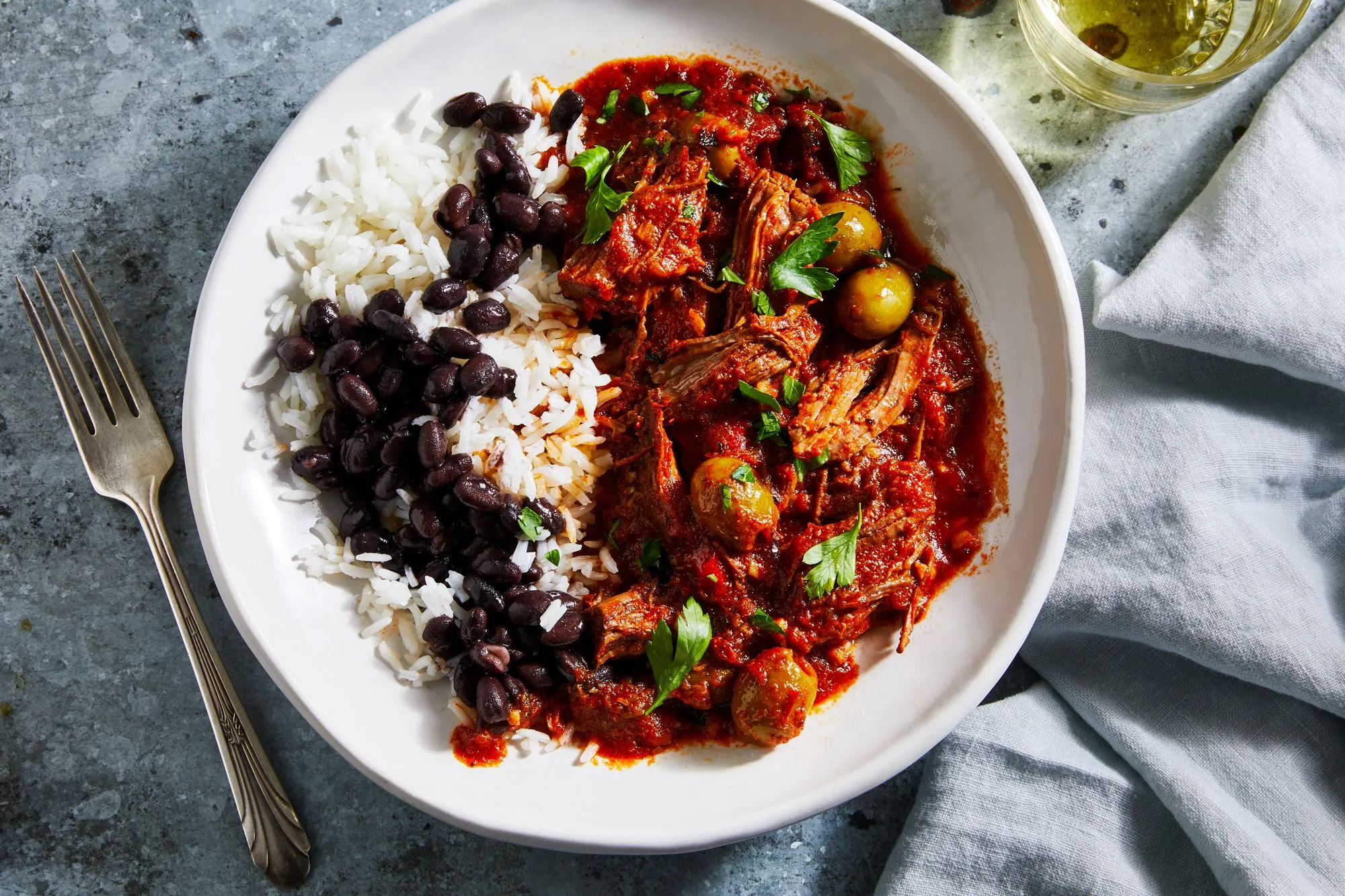
The professional preparation of ropa vieja requires specific techniques and in-depth knowledge of the ingredients. Expert chefs master every step of the process to achieve the perfect texture and balance of flavors that characterize this iconic dish of Cuban cuisine.
Cuban ropa vieja has its roots in the Canary Islands, specifically in the Andalusian stew brought to Cuba by Spanish emigrants during the colonial period. The name "ropa vieja" describes the shredded appearance of the meat, which resembles old rags once cooked and shredded.
Canarian settlers adapted the original recipe to the ingredients available in Cuba. The Spanish version included chickpeas, potatoes, and white wine, while the Cuban adaptation incorporated local ingredients such as cachucha chili, cumin, and Creole tomato sauce.
During the 18th and 19th centuries, ropa vieja became a staple dish in Cuban cuisine. Families developed specific techniques to utilize inexpensive cuts of meat, transforming them into tasty and nutritious dishes.
Traditional Cuban cuisine embraced this dish as a symbol of culinary ingenuity and creativity. Cuban cooks perfected slow-cooking methods that ensured tender textures and concentrated flavors.
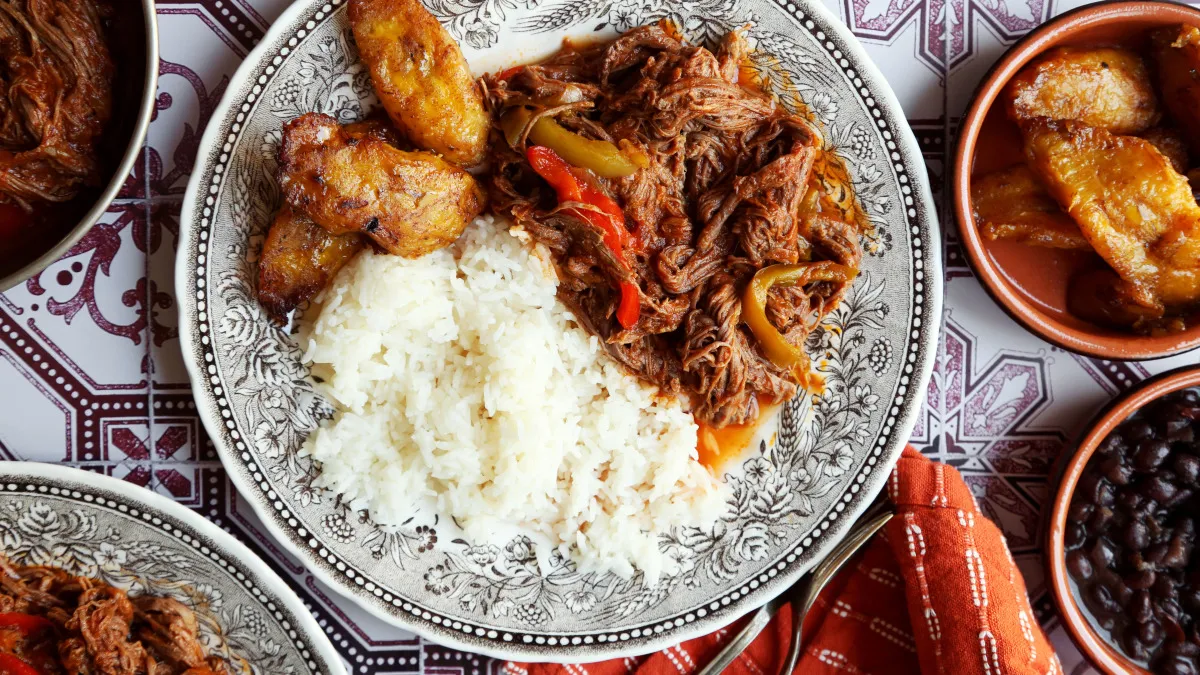
The authentic Cuban ropa vieja recipe requires specific ingredients that define its distinctive flavor. The correct selection of each component determines the success of the final dish.
| Cut of Meat | Weight (gr) | Weight (oz) | Features |
|---|---|---|---|
| beef brisket | 1500 | 53 | Long fiber, ideal for shredding |
| Entraña | 1200 | 42 | Intense flavor, smooth texture |
| Emptiness | 1300 | 46 | Economic alternative, good result |
Sofrito is the aromatic base of Cuban ropa vieja. This mixture of sautéed vegetables provides the essential flavors that distinguish the original recipe.
| Ingredients | Quantity (g) | Quantity (oz) | Function |
|---|---|---|---|
| White onion | 300 | 10.6 | Sweet aromatic base |
| Red pepper | 200 | 7 | Color and sweet flavor |
| Green pepper | 150 | 5.3 | Herbaceous flavor |
| Woman | 30 | 1 | Aroma and depth |
| Capuchin chili | 25 | 0.9 | Authentic Cuban flavor |
Spices determine the unique flavor profile of Cuban ropa vieja. Each seasoning plays a specific role in developing the final taste.
Professional preparation of Cuban ropa vieja requires mastery of specific techniques that guarantee consistent results. Expert chefs apply proven methods that optimize texture, flavor, and presentation.
The meat's initial treatment determines the final quality of the dish. Professionals follow specific protocols to achieve the perfect shredded texture.
Step 1: Cleaning and Preparation
Remove all visible fat and membranes from the meat. Cut the meat into 8-10 cm pieces to facilitate even cooking. This initial preparation ensures better heat penetration and flavor distribution.
Step 2: Professional Sealing
Heat olive oil to 180°C in a heavy pot. Sear the meat on all sides until deep golden brown. This process develops complex flavors through the Maillard reaction.
Step 3: Slow Cook
Cover the seared meat with hot water, add aromatics, and simmer for 90-120 minutes. The internal temperature should reach 85°C for the correct shredded texture.
Sofrito requires specific techniques to extract maximum flavor from each ingredient. Professional chefs follow precise sequences that optimize aromatic development.
| Order | Ingredients | Time (min) | Temperature | Objective |
|---|---|---|---|---|
| 1 | Onion | 5 | Medium | Transparency |
| 2 | Woman | 1 | Medium | Aromatic release |
| 3 | Peppers | 3 | Medium | Smoothing |
| 4 | Capuchin chili | 2 | Medium | Vertical |
This professional recipe guarantees consistent results in both commercial and home kitchens. The methods have been refined by chefs specializing in Cuban cuisine in Miami.
Main Meat:
sofrito:
Sauce:
Meat Preparation (90 minutes):
1. Trim the meat, removing any visible fat and membranes. Cut into uniform 8cm pieces.
2. In a heavy pot, heat oil over high heat. Sear the meat on all sides until deep golden brown.
3. Add enough water to cover the meat by 5 cm. Add bay leaves, whole onion, and garlic. Bring to a boil and reduce heat to a simmer.
4. Cook covered for 90 minutes, until the meat flakes easily with a fork. Check the liquid level regularly.
5. Remove the meat and reserve the broth. Let the meat cool and shred it by hand, following the grain.
Preparation of the Sofrito (15 minutes):
6. Cut the onion into thin julienne strips, the peppers into strips, and finely chop the garlic.
7. Heat oil in a large skillet over medium heat. Sauté the onion until translucent, about 5 minutes.
8. Add the garlic and cook for 1 minute until fragrant. Stir in the bell peppers and cachucha chili.
9. Continue cooking for 5 more minutes until the vegetables are soft but still have structure.
Final Assembly (20 minutes):
10. Add the crushed tomatoes to the sofrito and cook for 3 minutes. Add dry wine and cook until the alcohol content has reduced.
11. Add cumin, oregano, and 500 ml of the reserved broth. Mix well and cook for 5 minutes.
12. Add the shredded beef and olives. Simmer for 10 minutes to blend the flavors.
13. Adjust seasoning with salt and pepper. The consistency should be juicy but not runny.
Ropa vieja has developed unique variations in different regions of the Caribbean and Latin America. Each adaptation reflects local ingredients and specific culinary preferences.
The original version from the Canary Islands includes cooked chickpeas and small potatoes. This more rustic preparation uses leftover stew and emphasizes culinary sustainability.
Additional ingredients in the Canary Islands version include:
In Venezuela, ropa vieja incorporates beer instead of wine and combines beef with pork. This version features more robust flavors and varied textures.
The Venezuelan technique modifies:
The Panamanian version eliminates the wine and emphasizes the natural flavors of the vegetables. It is traditionally accompanied with patacones and rice with pigeon peas.
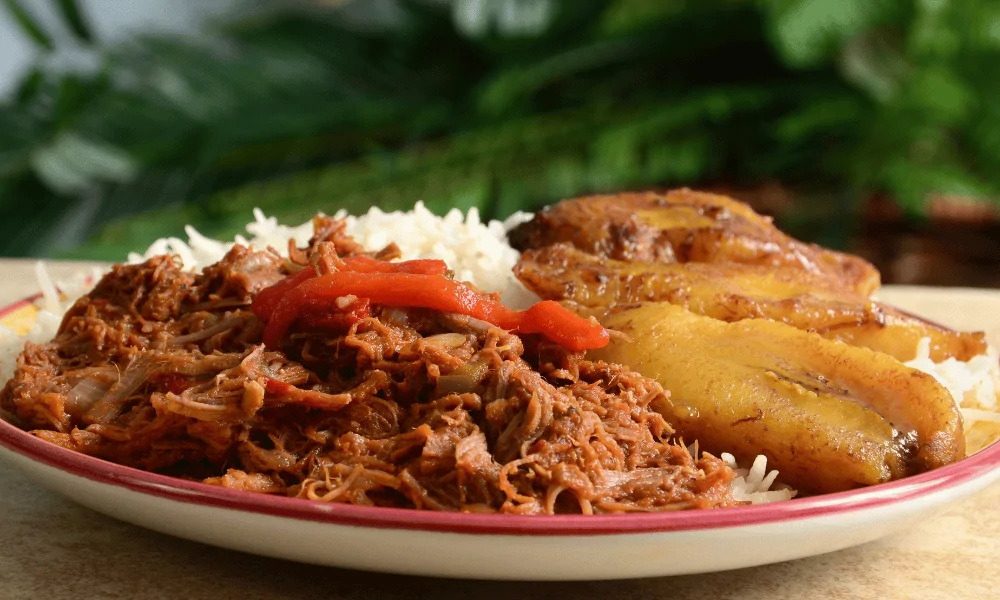
Cuban ropa vieja provides significant nutritional value when prepared using proper techniques. The natural ingredients provide essential nutrients for a balanced diet.
| nourisher | per 100gr | % Daily Value | Our Mill |
|---|---|---|---|
| Protein | 25.8g | 52 % | Muscle building |
| Iron | 3.2mg | 18 % | Oxygen transport |
| Zinc | 4.5mg | 30 % | Immune system |
| Vitamin B12 | 2.8mcg | 117 % | Neurological function |
| Niacin | 6.2mg | 31 % | energy metabolism |
Cuban ropa vieja can be adapted to different dietary needs through specific modifications. Modern restaurants offer versions that accommodate common dietary restrictions.
Low-Sodium Version: Reduce salt to 8g total and use low-sodium broth. Compensate with additional spices such as paprika and garlic powder.
Keto Adaptation: Serve over sauteed vegetables instead of rice. Increase the fat content with extra virgin olive oil and fresh avocado.
Paleo Option: Eliminate wine and use homemade bone broth. Emphasize organic vegetables and grass-fed beef.
The presentation of ropa vieja in restaurants requires specific techniques that enhance the visual experience of the dish. Professional chefs apply visual merchandising principles for restaurants in every presentation.
Traditional plating respects the familiar Cuban presentation while incorporating elements of professional presentation. This technique maintains the authenticity of the dish.
Components of the traditional dish:
Contemporary restaurants adapt traditional presentations by incorporating modern visual elements. This technique attracts a diverse clientele while maintaining respect for tradition.
Modern techniques include:
Appropriate pairings enhance the complex flavors of Cuban ropa vieja. Sommeliers specializing in Latin cuisine recommend specific combinations that complement the dish's aromatic profile.
| Type of Wine | Variety | CATA's notes | Why It Works |
|---|---|---|---|
| Young Red | Tempranillo | Fruity, soft tannins | Complements spices without overpowering them |
| Red Crianza | Garnacha | Spicy, medium body | It goes well with complex sofrito. |
| White Oak | Chardonnay | Buttery, toasted notes | Balances the acidity of the tomato |
Traditional Cuban drinks offer authentic pairings that respect the dish's cultural heritage. These combinations have been tested by generations of Cuban families.
Preparing ropa vieja in commercial kitchens requires specific adaptations to maintain quality while optimizing efficiency. Consultants specializing in restaurant operations optimization have developed specific protocols.
Successful scaling requires modifications in techniques and equipment. Successful restaurants implement systems that ensure consistency across large volumes.
| Appearance | Home cooking | Commercial Kitchen | Necessary Modification |
|---|---|---|---|
| Base quantity | 1.5 kg meat | 15 kg meat | Divide into batches of 3 kg |
| Cooking time | 90 minutes | 60 minutes | Use a commercial pressure cooker |
| Equipment | Domestic pot | Tilting kettle | Precise temperature control |
| Storage | Simple refrigeration | Blast chiller | Safe rapid cooling |
Quality control systems ensure consistency in every portion served. Restaurants implement specific protocols that maintain professional standards.
Critical control points:
Cuban ropa vieja offers excellent value when managed properly. Affordable cuts of meat are transformed into highly valued dishes using professional techniques.
| Components | Cost per Kg | Amount per proportion | Cost per Serving | % of Total |
|---|---|---|---|---|
| beef brisket | $12.00 | 200g | $2.40 | 65 % |
| Sautéed vegetables | $3.50 | 100g | $0.35 | 9% |
| Spices and condiments | $25.00 | 10g | $0.25 | 7% |
| Tomato and wine | $4.00 | 80g | $0.32 | 9% |
| Oil and gas | $0.38 | 10 % | ||
| Total Cost | $3.70 | 100 % |
Successful restaurants implement specific strategies that maximize profitability without compromising quality. These techniques have been refined by consultants specializing in inventory and supplier management.
Smart buy:
Waste minimization:
Consistently preparing ropa vieja requires staff trained in specific techniques. Training programs ensure that each cook masters the critical aspects of preparation.
Effective programs divide training into specific modules that cover all aspects of preparation. This methodology is based on best practices for managing staff in multicultural kitchens.
Module 1: Fundamentals (4 hours)
Module 2: Basic Techniques (6 hours)
Module 3: Advanced Techniques (4 hours)
Cuban ropa vieja offers unique marketing opportunities that connect with cultural heritage and current culinary trends. Successful restaurants implement specific digital marketing strategies for restaurants in tourist cities.
The cultural narrative of ropa vieja provides rich content for marketing campaigns. Effective restaurants communicate the dish's story in ways that resonate with different audiences.
Key narrative elements:
Digital platforms offer specific opportunities to promote Cuban ropa vieja. Visual content about the preparation process generates significant engagement with target audiences.
Effective techniques include specialized Instagram marketing tips for restaurants in Miami :
Cuban ropa vieja continually evolves, adapting to new culinary trends without losing its authenticity. Innovative restaurants incorporate contemporary elements while respecting fundamental traditions.
Current trends influence the preparation and presentation of ropa vieja. These adaptations respond to modern market demands while maintaining cultural integrity.
Plant-based trends: Development of versions with plant-based proteins that replicate textures and flavors. These approaches align with the plant-based menu trends in Florida.
Molecular cuisine: Application of modernist techniques to create innovative textures while maintaining traditional flavors.
Wellness focus: Adaptations that reduce sodium, increase vegetables and use leaner cuts without compromising flavor.
New culinary technologies offer opportunities to optimize ropa vieja preparation. These tools improve consistency and operational efficiency.
Successful Cuban restaurants in Miami have perfected specific techniques that guarantee authenticity and profitability. These case studies provide valuable insights for professional implementation.
Versailles has maintained quality standards for decades through specific preparation protocols. Its ropa vieja serves as a benchmark for authenticity in Miami.
Success factors:
This successful chain has scaled traditional preparation while maintaining consistency across locations. Its operating model demonstrates the commercial viability of authentic recipes.
Implemented strategies:
Modern consumers demand detailed nutritional information and healthy options. Progressive restaurants adapt traditional ropa vieja to meet these needs without compromising authenticity.
| Version | Calories | Protein (g) | Fat (g) | Sodium (mg) | Fiber (g) |
|---|---|---|---|---|---|
| Traditional | 320 | 28 | 18 | 890 | 3 |
| low fat | 245 | 27 | 10 | 650 | 4 |
| High in fiber | 295 | 26 | 15 | 720 | 8 |
| keto-friendly | 380 | 30 | 25 | 580 | 2 |
Cuban ropa vieja offers specific nutritional benefits that can be highlighted in health-oriented marketing. These aspects resonate with wellness-conscious consumers.
Documented benefits:
The commercial preparation of ropa vieja must comply with specific food safety regulations. Restaurants implement protocols that ensure full compliance with Florida restaurant regulations.
The HACCP system identifies specific critical points in the preparation of ropa vieja. These controls prevent food hazards and ensure safe products.
| Critical point | Peligro | Critical Limit | Monitoring | Corrective action |
|---|---|---|---|---|
| Initial cooking | Pathogens | 75°C x 15 min | Digital thermometer | Additional cooking |
| Cooling | Bacterial growth | 21°C in 2 hours | Continuous registration | Discard product |
| Maintenance | Deterioration | >65°C service | Hourly check | Overheating |
| Storage | Contamination | <4°C cooling | automatic alarms | Equipment review |
Modern restaurants are implementing service innovations that enhance the customer experience with Cuban ropa vieja. These improvements are based on principles of customer service culture in restaurants.
Service personalization creates emotional connections between customers and the traditional dish. Successful restaurants implement systems that recognize individual preferences.
Customization options:
Additional services differentiate the experience and justify premium prices. These offerings create greater perceived value and foster customer loyalty.
The Cuban restaurant market in Miami presents intense competition that requires strategic differentiation. Successful operators identify specific niches and develop unique value propositions.
| Segment | Features | Pricing Strategy | We are different |
|---|---|---|---|
| Tourists | They seek authenticity | Premium ($18-25) | Cultural experience |
| Cuban premises | They demand tradition | Competitive ($12-16) | Family recipes |
| Local foodie | They appreciate quality | High value ($15-22) | Premium ingredients |
| Families | They seek convenience | Value ($10-14) | Generous portions |
Restaurants identify specific opportunities to differentiate themselves in the competitive market. These strategies are based on detailed market gap analysis.
Opportunities identified:
Modern restaurants are integrating sustainable practices into the preparation of Cuban ropa vieja. These initiatives respond to market demands and contribute to environmental goals.
Responsible ingredient selection reduces environmental impact while supporting local economies. Restaurants implement specific policies that prioritize sustainability.
Sourcing criteria:
Successful Cuban restaurants actively contribute to their communities through specific programs. These initiatives strengthen community ties and generate goodwill.
The future evolution of Cuban ropa vieja will include technological innovations and cultural adaptations that will keep the dish relevant. Experts predict specific developments that will influence its preparation and consumption.
Emerging technologies will transform specific aspects of professional preparation. These tools will improve consistency, efficiency, and customer experience.
Technologies in development:
Future consumption patterns will influence adaptations of traditional dishes. Restaurants anticipate these trends to maintain competitive relevance.
The trends identified include:

Cuban ropa vieja represents more than a traditional recipe; it constitutes a cultural heritage that connects generations and communities. Successful restaurants understand that mastering this dish requires respect for tradition, the application of professional techniques, and intelligent adaptation to modern markets.
Restaurant operators who implement these professional techniques achieve significant competitive differentiation. The combination of cultural authenticity, technical quality, and responsible innovation creates unique value propositions that resonate with diverse audiences.
InGastro Concepts has developed specific methodologies that guarantee the successful implementation of Cuban ropa vieja in commercial operations. Our comprehensive approach considers cultural, technical, operational, and financial aspects that determine sustainable success.
Prioritize authenticity: Research and document authentic family recipes. Cultural credibility builds customer trust and sustainable competitive differentiation.
Invest in training: Develop training programs that ensure staff technical proficiency. Consistency in training defines the establishment's reputation.
Optimize operations: Implement systems that balance operational efficiency with product quality. This optimization determines sustainable profitability.
Innovate responsibly: Explore adaptations that meet modern trends without compromising cultural integrity. Innovation should complement, not replace, tradition.
For consulting services specializing in the implementation of authentic Cuban cuisine and optimization of food operations, InGastro Concepts offers comprehensive services that guarantee sustainable success.
Contact for specialized consulting:
Transform your culinary vision into commercial success with the support of experts who understand both culinary tradition and the demands of the modern market. Authentic Cuban ropa vieja looks forward to being part of your establishment's success.
Subscribe and receive the latest posts in your email.