Address
We are a Gastronomic Consulting and Mentoring Agency based in the City of Miami, FL. - US
Work hours
Monday to Friday: 7 AM - 7 PM
Saturday: 10AM - 5PM
Address
We are a Gastronomic Consulting and Mentoring Agency based in the City of Miami, FL. - US
Work hours
Monday to Friday: 7 AM - 7 PM
Saturday: 10AM - 5PM
Cost Optimization in Restaurant Consulting: Key Strategies for Restaurants. Discover how to reduce expenses and improve the profitability of your business in Miami. Contact InGastro Concepts: +1 786 793 8217.
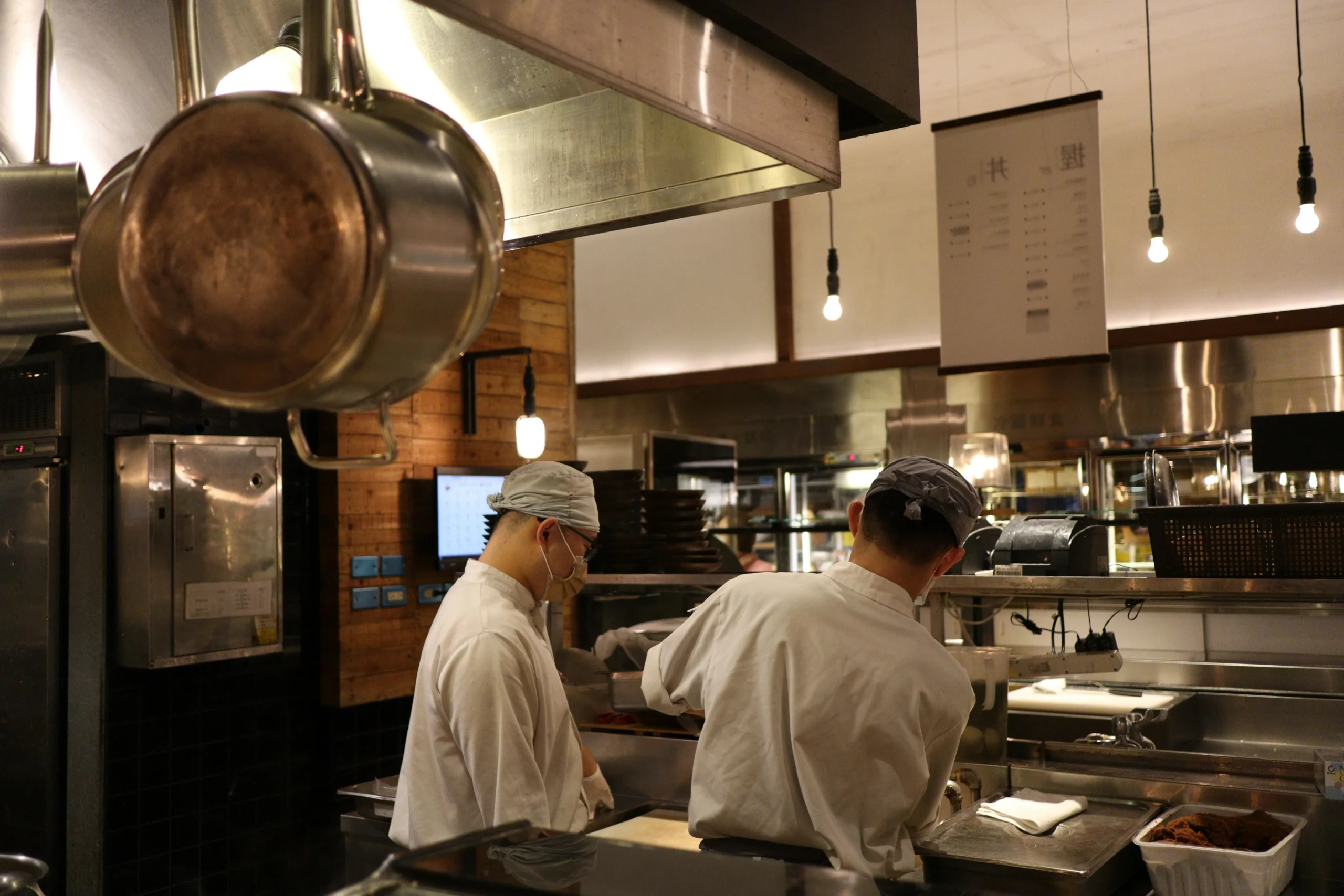
In the competitive world of restaurants, cost control is fundamental to success. Effective optimization can be the difference between success and failure . This is where restaurant consulting comes in, an essential tool for improving profitability without sacrificing quality.
In Miami, InGastro Concepts stands out as a leading culinary consulting firm. With years of experience, they have helped numerous restaurants improve their operational efficiency and increase their profits. Their comprehensive approach encompasses everything from inventory management to digital marketing strategies, ensuring that each business reaches its full potential.
Proper cost management not only improves profit margins but also strengthens a restaurant's market position. This is achieved through strategies such as menu optimization , inventory control, and the implementation of advanced technology. Furthermore, understanding which dishes are most profitable and reducing waste are key steps to success.
In the following article, we'll explore how these strategies can transform your food business. With practical examples and concrete data, you'll discover how InGastro Concepts can be your partner in this process.
In Miami's dynamic and fiercely competitive culinary scene, cost control has become a decisive factor for any restaurant's success. Efficient resource management not only ensures profitability but also allows for maintaining high quality standards and meeting customer expectations.
In this context, InGastro Concepts emerges as a leading firm in gastronomic consulting. With years of experience, they have assisted numerous restaurants in Miami, helping them optimize their operations and maximize their profits. Their comprehensive approach ranges from inventory management to the implementation of digital marketing strategies, allowing them to offer customized solutions for each business. You can contact them through their website ingastroconcepts.com, by calling +1 786 793 8217, or by emailing info@ingastroconcepts.com.
The balance between cost and quality is essential. According to recent data, restaurants that implement sustainable practices can save up to 30% on waste costs. Furthermore, 60% of consumers prefer establishments committed to sustainability, highlighting the importance of efficient management without sacrificing quality.
In today's world, where restaurants strive to maximize profits, cost optimization has become an indispensable tool. A sound pricing strategy can be the difference between success and financial hardship.
To set appropriate prices, it's recommended to use practical methods such as cost analysis and market research. Multiplying by 3 is a common technique: multiplying the cost of the ingredients by 3 to determine the final price of the dish. This approach ensures healthy and sustainable profit margins.
The impact of accurate pricing on sales and profits is significant. According to recent data, restaurants that adjust their menus based on demand and costs can increase their profits by 15%. This strategic adjustment not only attracts more customers but also improves the business's profitability.
Constant monitoring of financial indicators is essential to maintaining a balance between pricing and profit. An efficient management system allows for real-time monitoring of sales, costs, and profit margins. This facilitates informed decision-making and ensures the business remains profitable.
To achieve profitability through precise strategies, a comprehensive approach is essential. Specialized consultants can offer customized solutions tailored to the specific needs of each restaurant. From menu analysis to process optimization, their expertise can transform how resources are managed.
A clear example is a restaurant that, after implementing these strategies, reduced its costs by 20% and increased its sales by 10%. These results demonstrate how good planning and follow-up can become the key to success.
Efficient inventory management is a fundamental pillar for the success of any restaurant. Precise control not only prevents over-purchasing and waste, but also optimizes resources and improves profitability.
Using specialized software is key to effective inventory management. These tools allow for real-time stock tracking, reducing human error and improving accuracy. Furthermore, systems like inventory turnover analysis help identify which products sell fastest, enabling more efficient order management.
Effective negotiation with suppliers can significantly impact costs. Building strong relationships and mutually beneficial agreements is crucial. For example, negotiating flexible payment terms or volume discounts can help reduce expenses. Furthermore, having a team skilled in negotiation techniques can ensure better outcomes.
For more information on how to implement these strategies, you can visit InGastro Concepts , where you'll find specialized resources on inventory and supplier management for restaurants in Florida.
A restaurant menu is more than just a list of dishes; it's a strategic tool that can make the difference between success and failure. Analyzing and optimizing the menu not only improves profitability but also ensures that every dish meets customer expectations.
The first step in optimizing a menu is identifying which dishes generate the most profit and which do not. A detailed analysis of each dish's profitability allows for informed decision-making. For example, if a dish has a high ingredient cost but low demand, it might be a candidate for elimination or modification.
Adjusting portion sizes without compromising quality is key. Using seasonal ingredients not only reduces costs but also ensures freshness and flavor. Furthermore, this strategy allows for updated menus that adapt to current trends and customer preferences.
| Traditional Approach | Optimized Menu | Improve |
|---|---|---|
| Standard portions | Adjusted portions | Costs reduction |
| Imported ingredients | Seasonal ingredients | 15% Savings |
| Low-profitability dishes | Featured dishes | Sales increase |
For more information on how to implement these strategies, visit InGastro Concepts , where you'll find specialized resources on menu optimization for restaurants.
Integrating technology into the kitchen is key to improving operational efficiency and providing a better customer experience. Technological systems not only streamline processes but also reduce errors and optimize resources.
Point-of-sale (POS) systems are essential for streamlining orders and payments. These tools allow for real-time sales tracking and help identify the most popular dishes. For example, InGastro Concepts has implemented solutions that reduced wait times by up to 20%.
Technology also allows for the optimization of workflows. Specialized software helps to plan tasks, reduce downtime, and improve coordination among staff. This not only increases efficiency but also improves the quality of service.
A practical example is the use of mobile ordering apps, which not only simplify the process for customers but also allow staff to focus on more important tasks. These solutions have demonstrated that investing in technology can generate a significant return.
| Traditional Approach | Optimized Focus | Improve |
|---|---|---|
| Manual processes | Automated systems | error reduction |
| Long waiting time | Streamlined processes | Improved customer experience |
| Poor communication | Real-time coordination | Efficiency increase |
Implementing these technologies not only improves operations but also reduces operating costs and increases customer satisfaction. It's an investment that can transform how daily operations are managed.
In the food service industry, a well-managed and trained team is essential for providing excellent customer service. Efficient staff management not only improves restaurant efficiency but also increases customer satisfaction.
Effective shift planning and task allocation are key to maximizing efficiency. Specialized software can help allocate human resources optimally, reducing downtime and improving staff coordination.
Ongoing training is essential for maintaining high culinary standards. Mentorship programs allow chefs to refine their skills and adapt to current trends, which in turn improves the quality of customer service.
| Traditional Approach | Optimized Focus | Improve |
|---|---|---|
| Fixed and rigid shifts | Flexible and adaptive shifts | Reduction of labor costs |
| Tasks assigned without considering skills | Competency-based distribution | Productivity increase |
| Sporadic training | Continuing education and mentoring | Improvement in service quality |
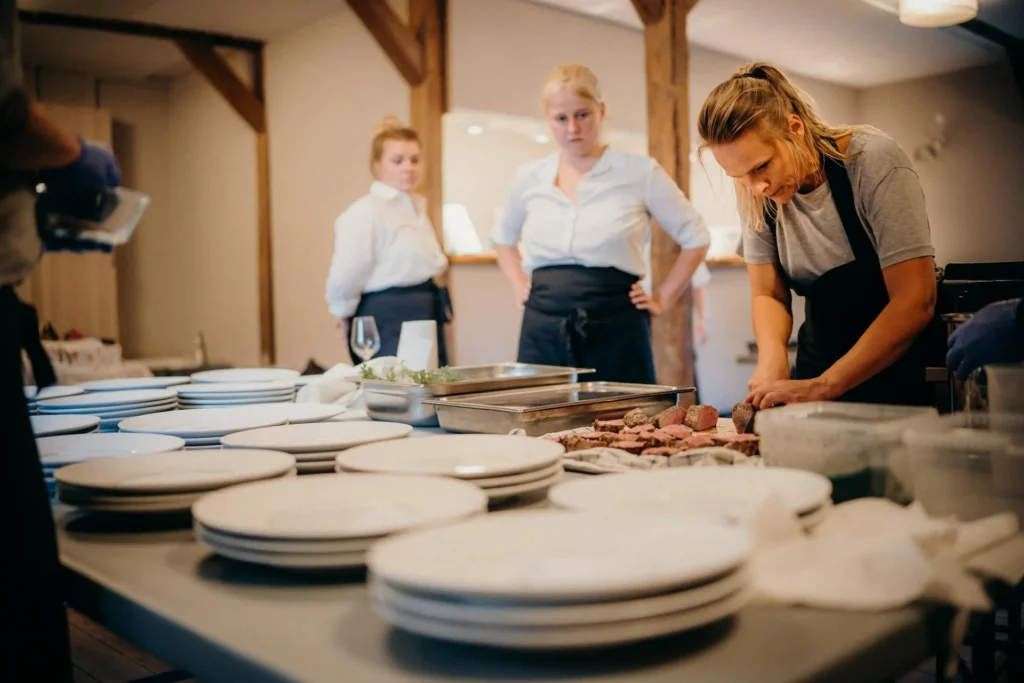
For more information on how to implement these strategies, visit InGastro Concepts , where you will find specialized resources on staff management and continuing education for restaurants.
In today's environment, where restaurants seek to maximize profits, the ability to negotiate contracts and obtain strategic discounts becomes an essential tool. Effective negotiation not only reduces costs but also strengthens long-term relationships with suppliers.
Establishing partnerships with local suppliers offers numerous advantages. Reduced transportation costs are one of the most significant benefits, as they eliminate expenses associated with long-distance logistics. Furthermore, local products are typically fresher , which enhances the quality of the dishes. According to recent data, restaurants that choose local supplies can reduce their transportation costs by 10-20%, resulting in higher profit margins.
To renegotiate contracts effectively, understanding current market trends is key. Comparing prices among different suppliers is a common strategy that can help secure better deals. Additionally, negotiating flexible payment terms or bulk orders can result in significant discounts. For example, a restaurant that renegotiates its contracts can achieve savings of up to 15% on its annual product purchases, directly impacting its profits.
For more information on how to implement these strategies, you can visit this resource specializing in cost management for restaurants. In addition, InGastro Concepts offers upselling techniques that can complement your contract negotiation efforts.
Today, technological tools play a crucial role in efficient cost management. These solutions allow restaurants to accurately measure and control their expenses, ensuring better resource management.
The use of technological systems facilitates the detailed analysis of financial indicators. For example, tracking the quantity of ingredients and identifying areas for improvement are key to reducing food waste. This not only helps save resources but also improves customer satisfaction.
Implementing these tools allows for the detection of waste and the optimization of resource usage . Furthermore, data analysis helps identify areas for improvement, which in turn increases business profits . A notable example is the restaurant "Fresh Bites," which managed to reduce food waste by 20% through sustainable practices.
These technological solutions also improve resource management, ensuring efficiency at every stage of the process. Furthermore, tools like real-time inventory sensors enable more effective management teams , resulting in a better customer experience.

In the food service industry, measuring and tracking key performance indicators (KPIs) is essential for ensuring financial success. These indicators help identify areas for improvement and optimize resources.
To begin, it's important to define the most relevant KPIs. Cost of Goods Sold (COGS) is one of the most critical. This indicator is calculated using the following formula:
COGS = (Beginning Inventory + Purchases) – Ending Inventory
This calculation allows you to know your food expenses and identify savings opportunities.
Other key KPIs include:
Setting clear goals is essential. For example, reducing food waste by 10% can significantly increase profit margins.
| Traditional Approach | Optimized Focus | Improve |
|---|---|---|
| manual measurement | Automatic measurement | error reduction |
| Monthly review | Real time monitoring | Improved decision making |
| Basic analysis | Detailed analysis | Identifying more savings |
A notable example is a restaurant that, by implementing a tracking system, reduced its food costs by 15%. This demonstrated that constant measurement and adjustment of strategies can lead to financial success.
In conclusion, KPI measurement and monitoring are powerful tools for cost control and optimization. By using these methodologies, restaurants can achieve success and maintain their competitiveness in today's market.
In today's highly competitive culinary landscape, efficient resource management is essential for long- term success . Throughout this article, we've explored various strategies that can help restaurants improve profitability and deliver a better dining experience.
Key points include the importance of controlling costs, optimizing processes, and making the most of every resource. Food , as the central element of any establishment, should be the subject of detailed analysis to identify areas for improvement. This includes everything from inventory management to the implementation of advanced technology to reduce waste and increase operational efficiency.
To achieve sustainable results, it is essential that restaurant owners analyze their current processes and seek expert advice. A comprehensive approach that combines management strategies, menu optimization, and staff training can make the difference between success and failure.
Let's remember that food is not only a source of revenue, but also a reflection of a restaurant's quality and commitment. By implementing these strategies, establishments can ensure their profitability and meet their customers' expectations throughout their operating life .
If you're looking to improve your business's financial management, don't hesitate to contact InGastro Concepts for personalized advice. With their experience and expertise, you can optimize your processes and ensure your restaurant's long- term success.
Subscribe and receive the latest posts in your email.